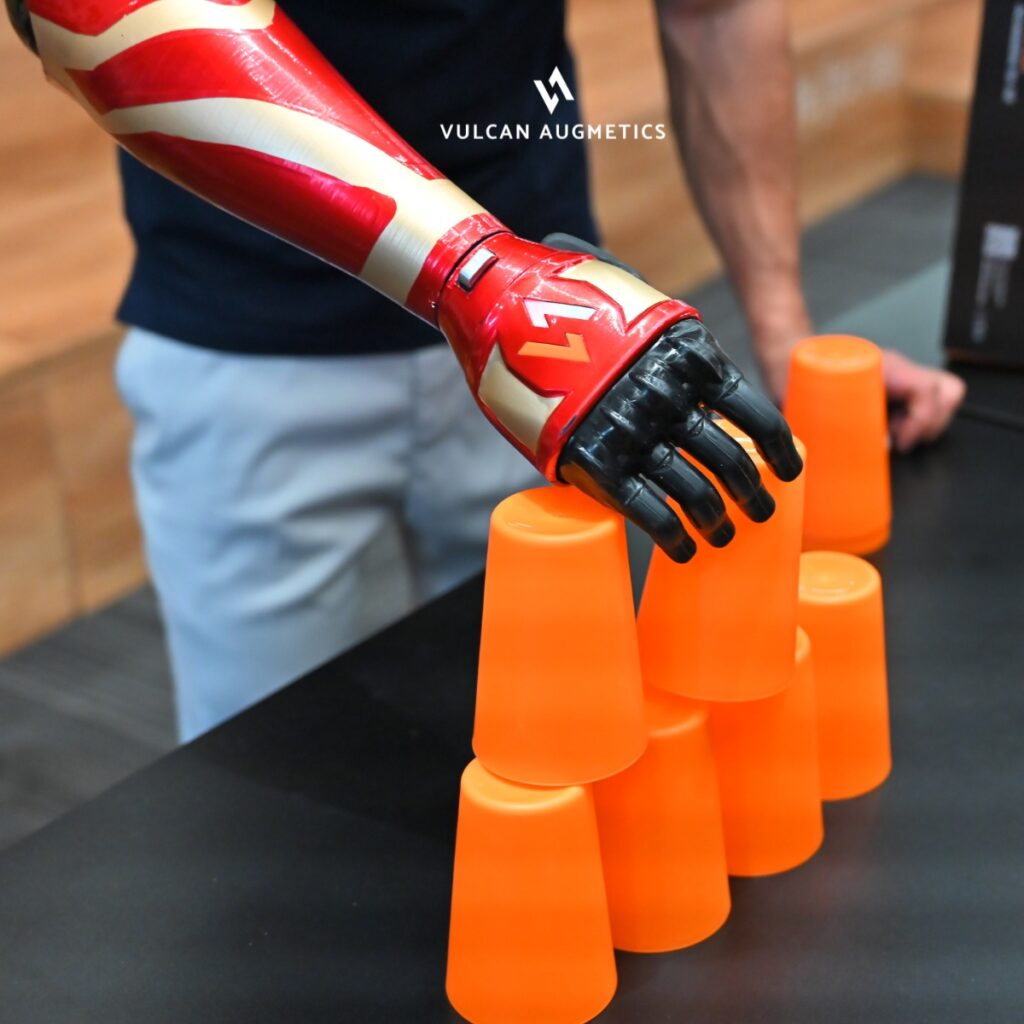
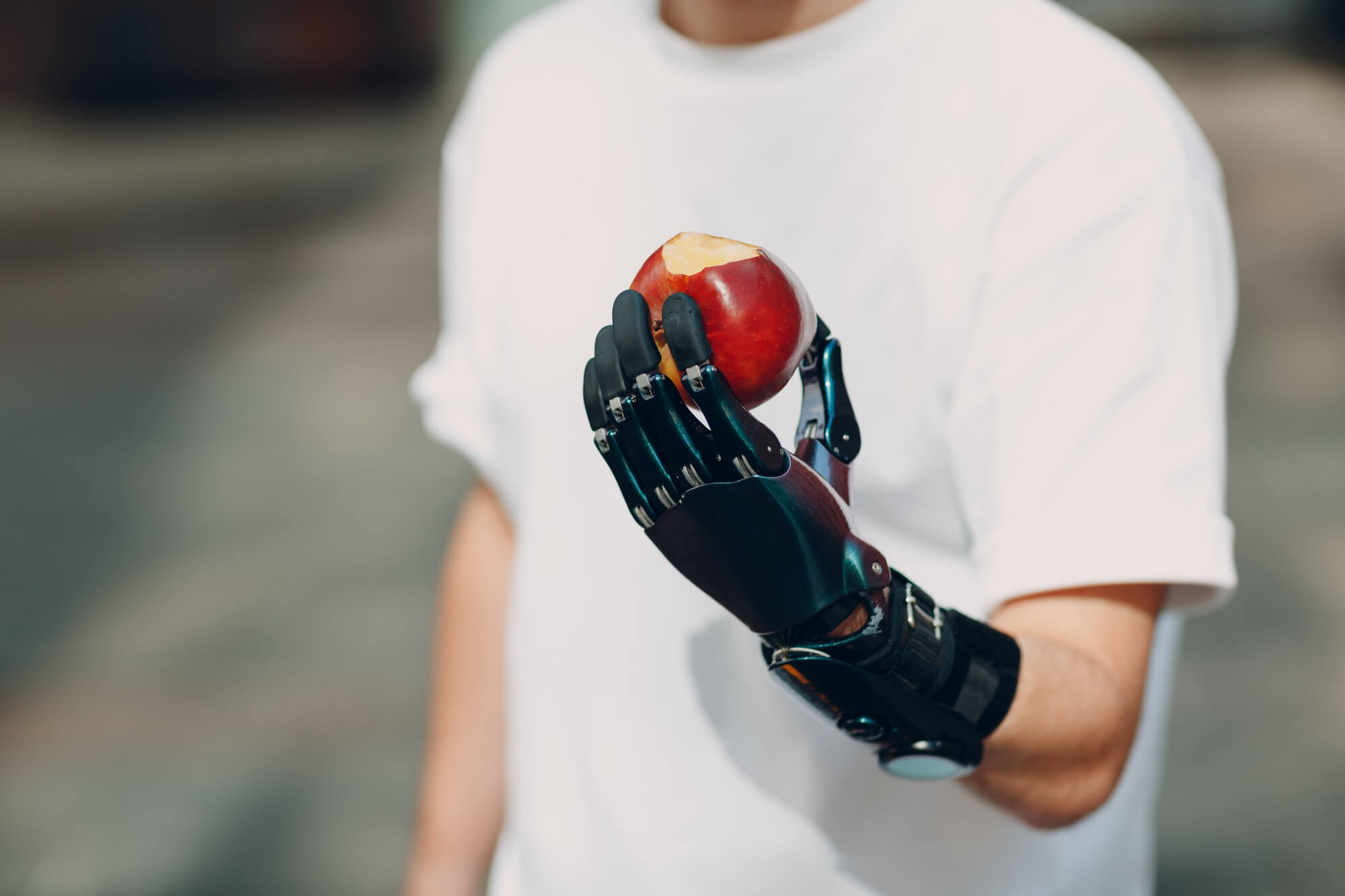
Have you ever wondered how modern technology can restore hope to individuals who have lost an upper limb?
Upper-limb prosthetics are among the most innovative medical solutions today—bridging the gap between what was once lost and what can be regained.
Thanks to advanced medical engineering, prosthetic limbs are no longer simple replacements. Instead, they have become life-changing tools that empower individuals to return to their daily routines with confidence, independence, and a renewed sense of possibility.
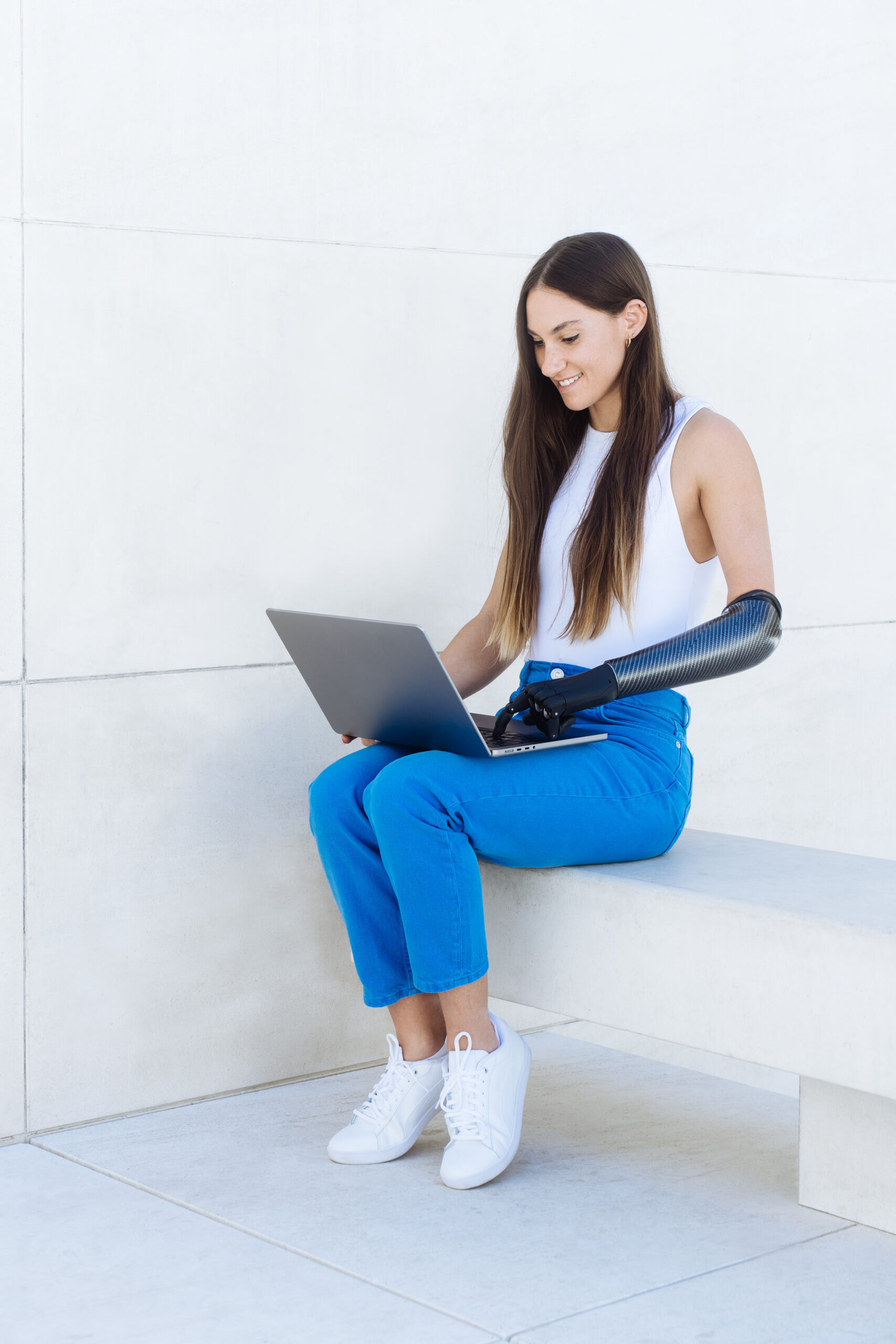
At Qudra orthotics & prosthetics Lab, we believe that every step forward in this field is a step toward restoring a person’s strength, dignity, and sense of identity. These prosthetics do more than replace a physical function—they support essential daily activities such as eating, writing, and pursuing hobbies, while also providing profound psychological benefits. Improved self-confidence and smoother social integration make the prosthetic limb an essential component of rebuilding life with stability and comfort.
To better understand how these benefits are applied, let’s explore the different types of upper-limb amputations and how Qudra orthotics & prosthetics Lab designs tailored prosthetic solutions for every case.
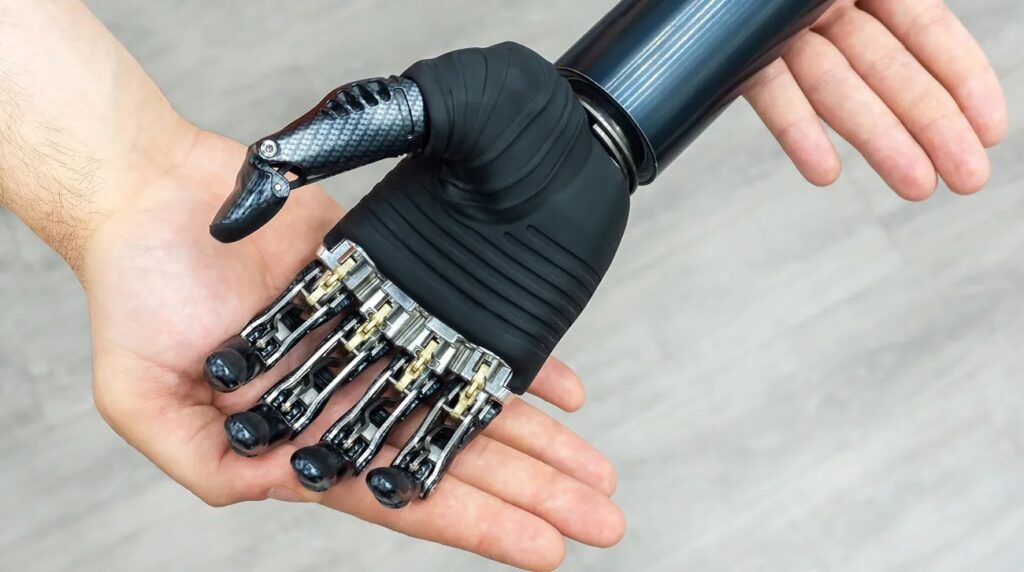
Types of Upper Limb Amputations
Below-Elbow Amputation (Transradial):
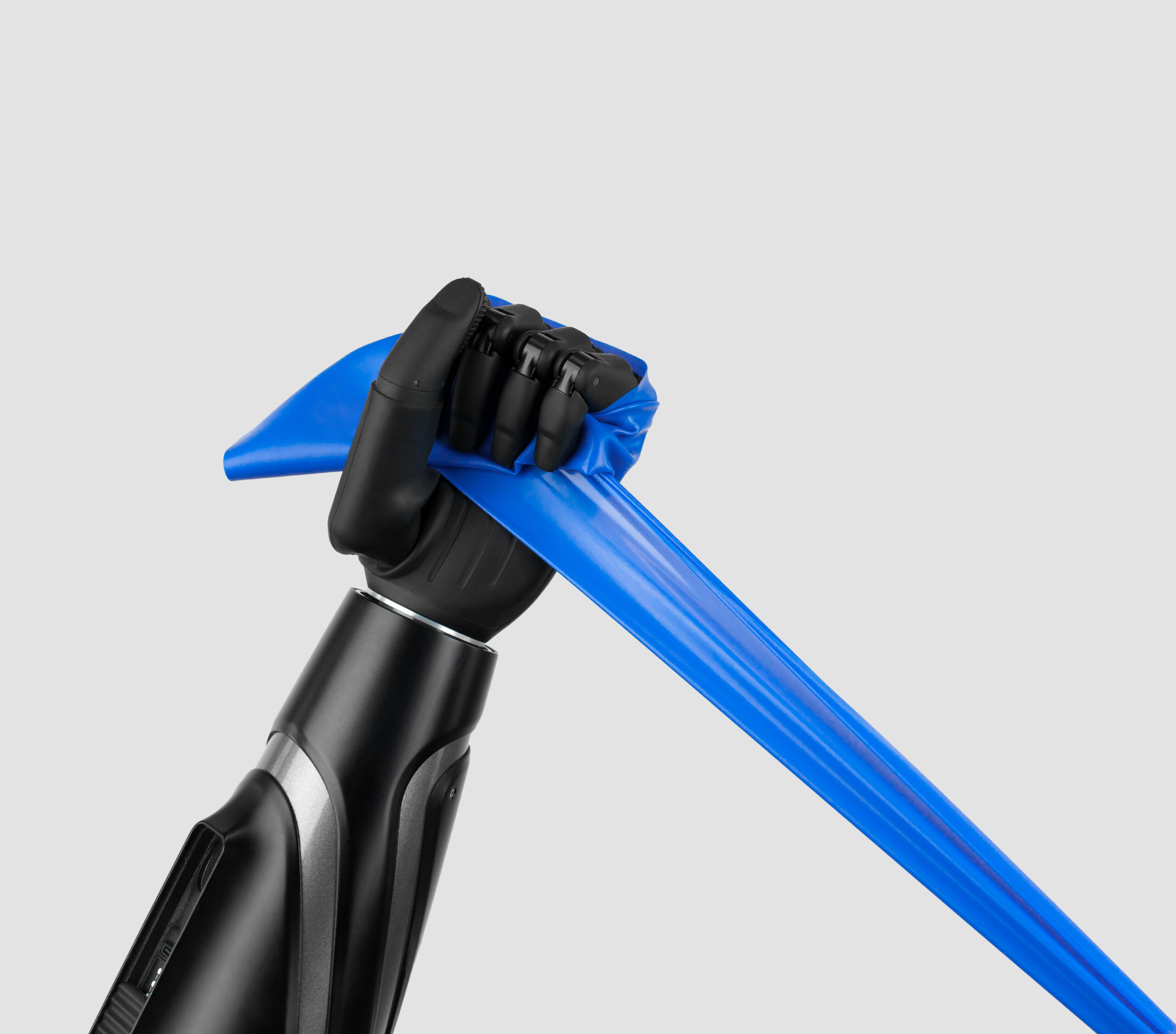
This level removes the forearm while preserving the upper arm, making it possible to use highly functional prosthetics. Many users regain strong ability to perform daily tasks.
Above-Elbow Amputation (Transhumeral):
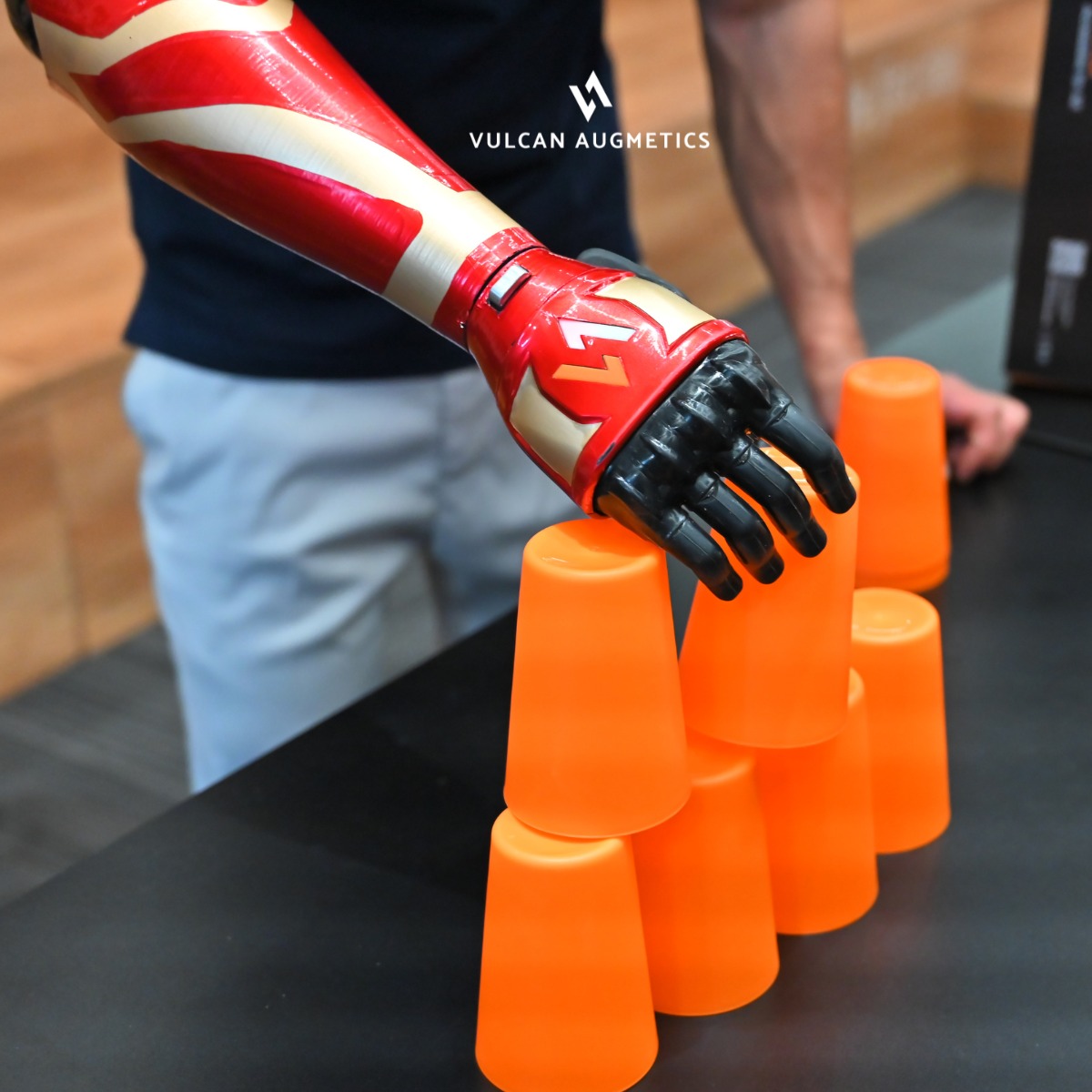
This involves removing the arm above the elbow, requiring more advanced prosthetic systems to restore proper movement. These prosthetics are typically more complex.
Hand Amputation:
This level affects precision tasks significantly. Prosthetic hands often incorporate advanced technologies to restore fine motor control. Such cases require highly customized solutions.
Finger Amputation:
Fingers play a critical role in delicate movements. Specialized prosthetics help restore grip, dexterity, and functional accuracy.
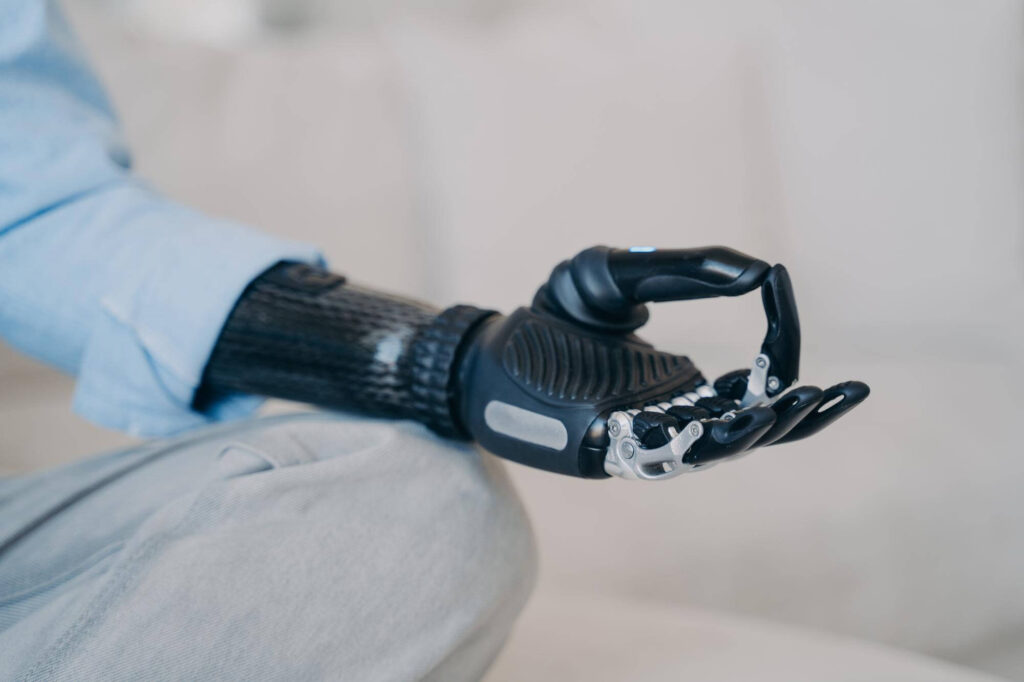
Marketing Video
This marketing video features Engineer Ahmed Habib offering a simplified, comprehensive explanation of upper-limb prosthetics and how to choose the most suitable option for each case.
Technology-Driven Design
Technology plays a central role in modern prosthetics, shaping the user experience and enhancing quality of life. Here’s how innovation influences prosthetic design:
- Advanced Design and Innovation:
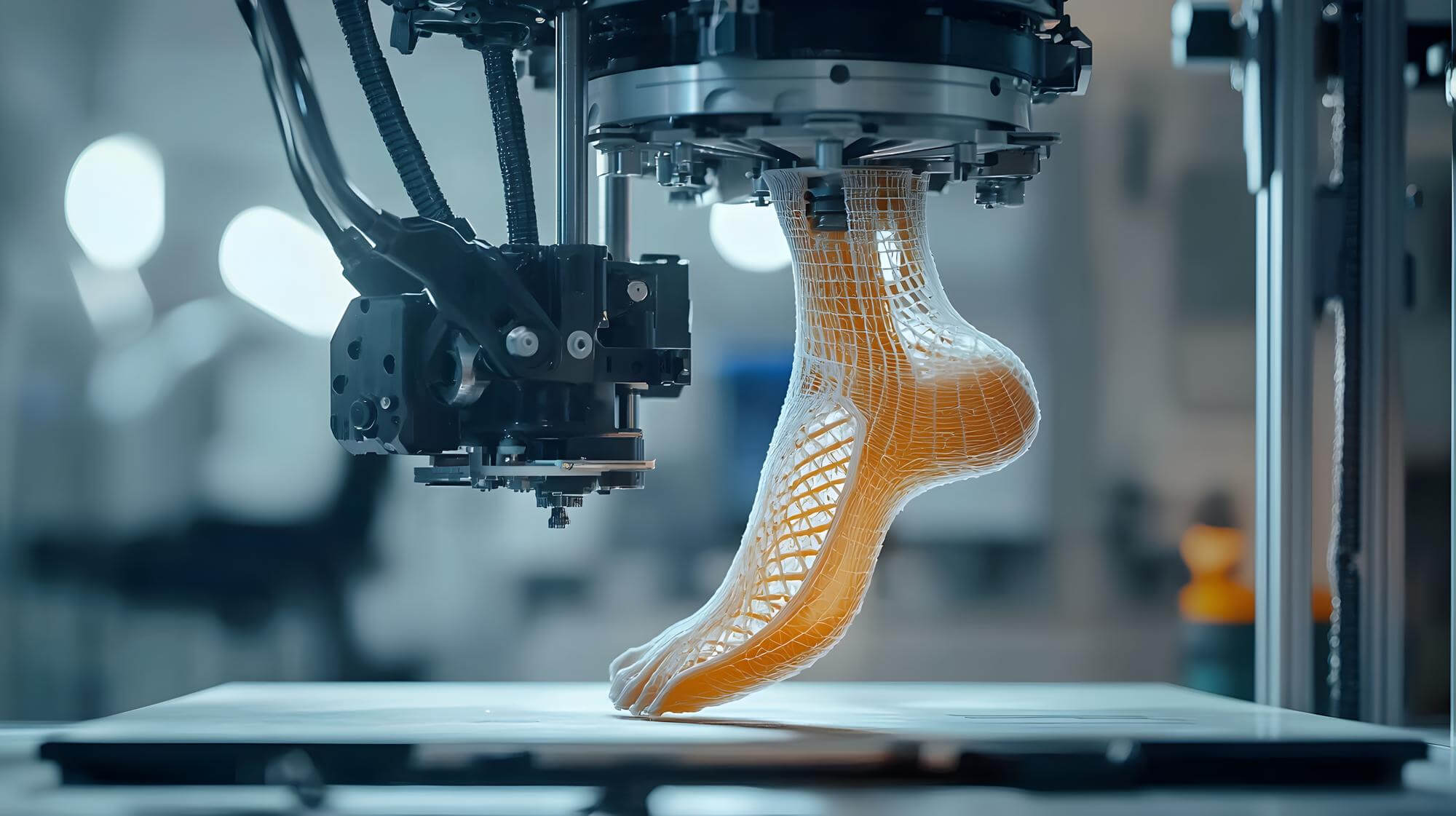
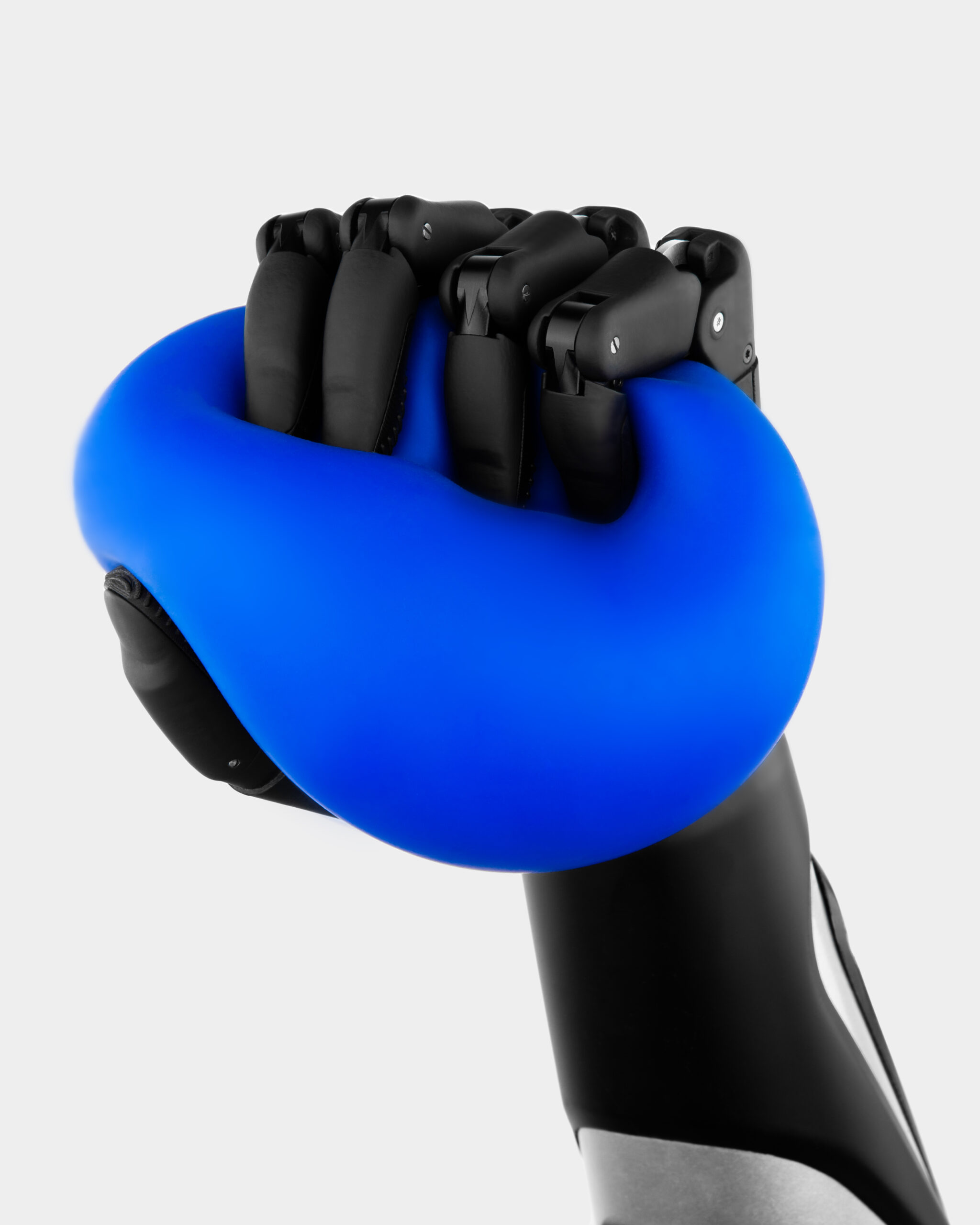
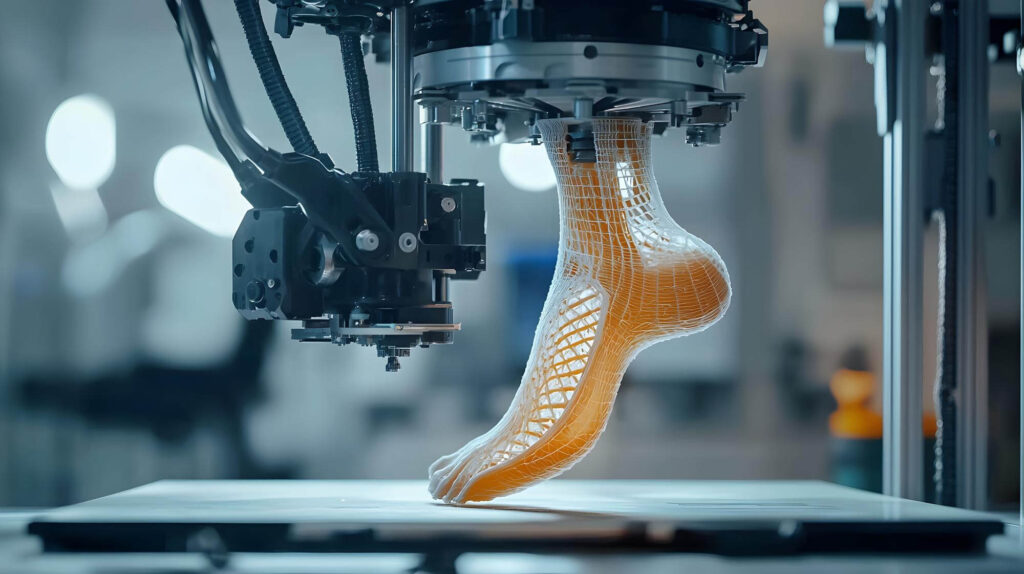
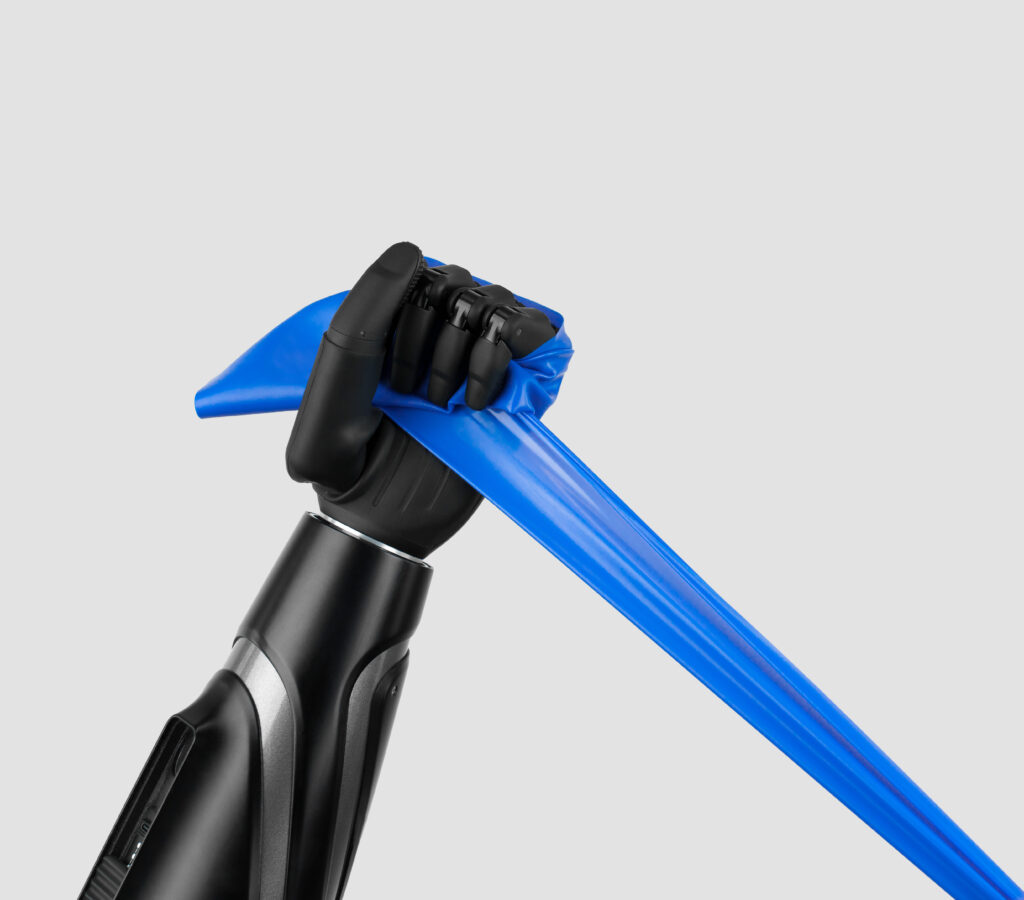
Modern materials and technologies make prosthetic limbs—whether below-elbow or above-elbow—lighter, stronger, and more efficient. Innovations allow for better performance and adaptation, supporting users in returning to daily life with ease. - Selecting the Right Prosthesis:
Choosing the appropriate prosthesis requires a deep understanding of the amputation level and the patient’s lifestyle. Specialists guide users through available options, from prosthetic hands to finger prosthetics.
Having the right information empowers users to make informed decisions that lead to better mobility, functionality, and quality of life.
At Qudra orthotics & prosthetics Lab , our role extends far beyond design and selection. We provide comprehensive rehabilitation programs that ensure each patient can use their prosthesis confidently, efficiently, and independently.
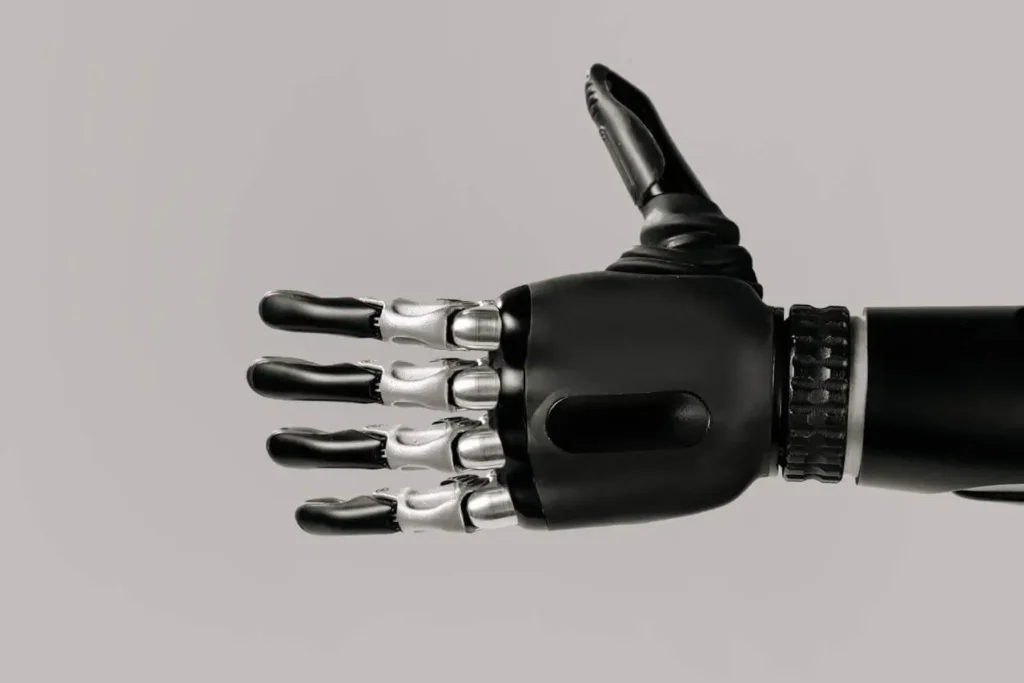
Rehabilitation After Amputation
Rehabilitation is a vital part of recovery. It involves both physical and psychological adaptation to life with a prosthetic limb.
At Qudra orthotics & prosthetics Lab, we provide comprehensive rehabilitation programs that include training, emotional support, and continuous follow-up.
- Training Programs:
Our training sessions are designed to help users master their prosthetic devices through practical exercises and movement training.
Each program is tailored to the individual’s needs, ensuring a smooth and confident return to daily activities. - Psychological and Emotional Adaptation:
Emotional recovery is just as important as physical healing.
Through counseling and awareness sessions, we help patients express their feelings, overcome emotional challenges, and embrace their new capabilities with confidence.

Conclusion
In this article, we explored upper-limb prosthetics and how they improve the lives of individuals with below-elbow, above-elbow, hand, or finger amputations. Choosing the right prosthesis can significantly enhance both physical function and emotional wellbeing.
We highlighted modern technologies that advance prosthetic design, enabling smoother movement, improved comfort, and restored independence.
Investing time in understanding amputation levels and prosthetic options is crucial for achieving the best outcomes and overcoming daily challenges.
We hope this article has provided clear insight into upper-limb prosthetics and how they empower individuals to rebuild their lives with strength and confidence.
Together, we aim to create a better, more capable future for every user of these transformative technologies.
Your journey toward independence and confidence can begin today.
With advanced upper-limb prosthetic solutions and personalized rehabilitation programs, regaining control of daily life is possible.
Contact Qudra Orthotics & Prosthetics Lab to schedule a comprehensive upper-limb evaluation and discover the prosthetic solution designed specifically for you.