When the Back Loses Its Balance, Can Alignment Be Restored?
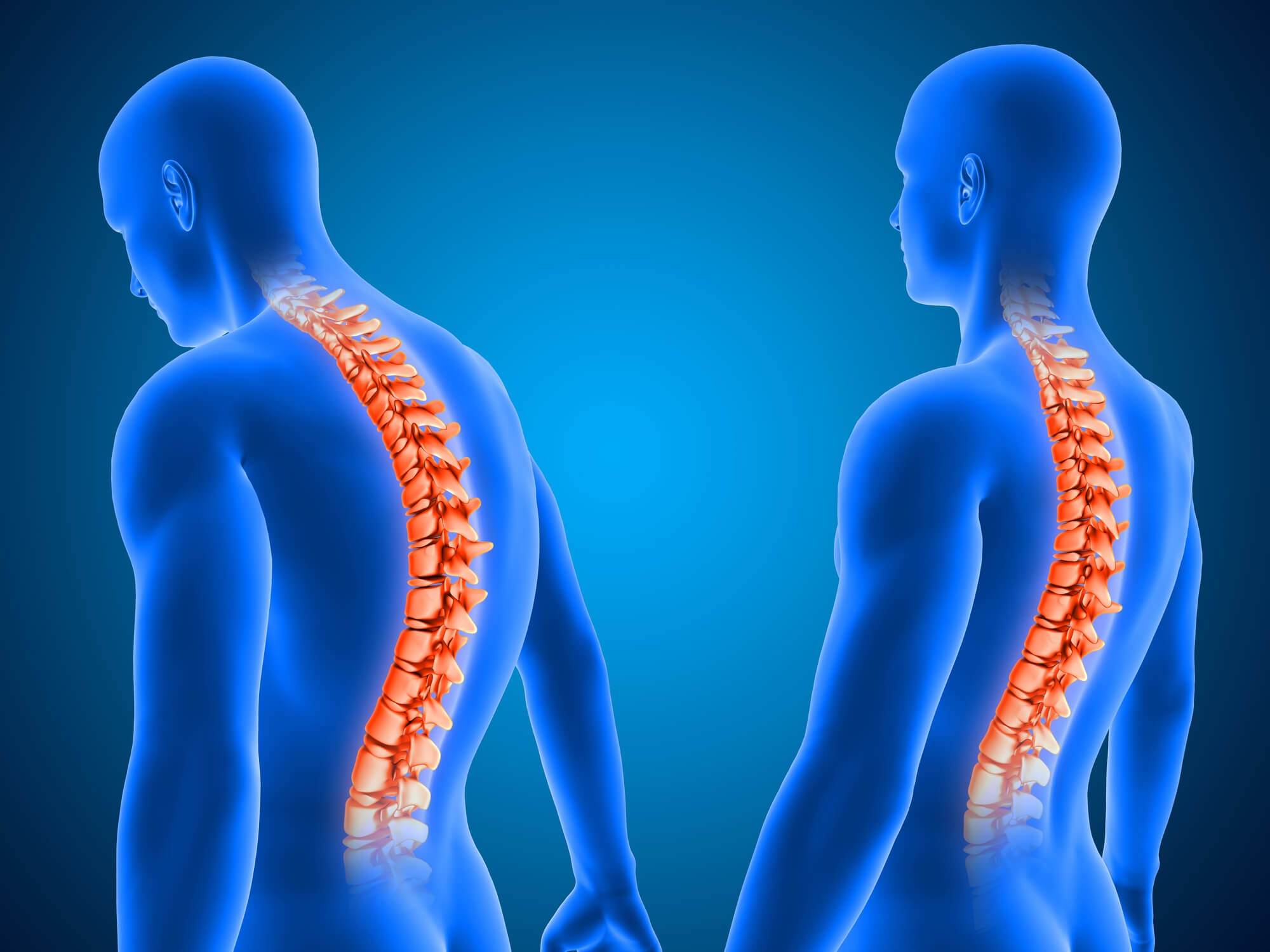
The spine is one of the body’s most vital structural pillars—responsible for support, balance, and proper movement. It enables us to stand, walk, bend, and sit with stability. But when this delicate structure starts to curve abnormally, the body’s posture and movement begin to change, leading to what is known as spinal curvature.
This condition occurs when the spine bends sideways into a “C” or “S” shape. Causes vary and may include genetic factors, growth disorders, physical trauma, or neuromuscular conditions. Although early changes might seem minor, neglecting the problem can lead to complications that affect body balance and overall function.
At Qudra orthotics & prosthetics Lab, we provide specialized programs that accurately evaluate and diagnose spinal curvature. This allows us to determine the most suitable treatment plan to restore alignment, stability, and balance.
Types of Spinal Curvature
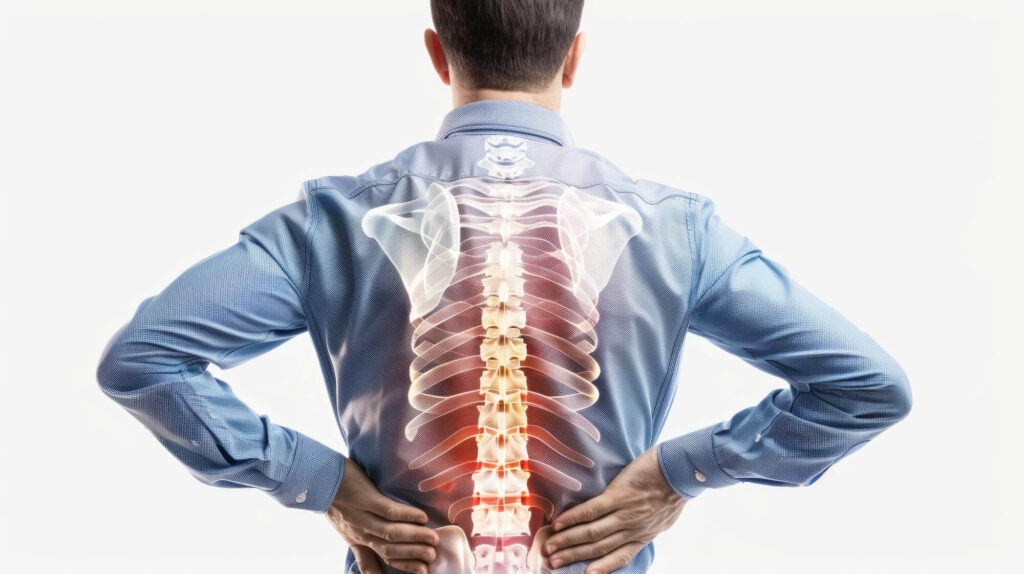
The type of curvature depends on its direction and location. The most common types include:
- Scoliosis:
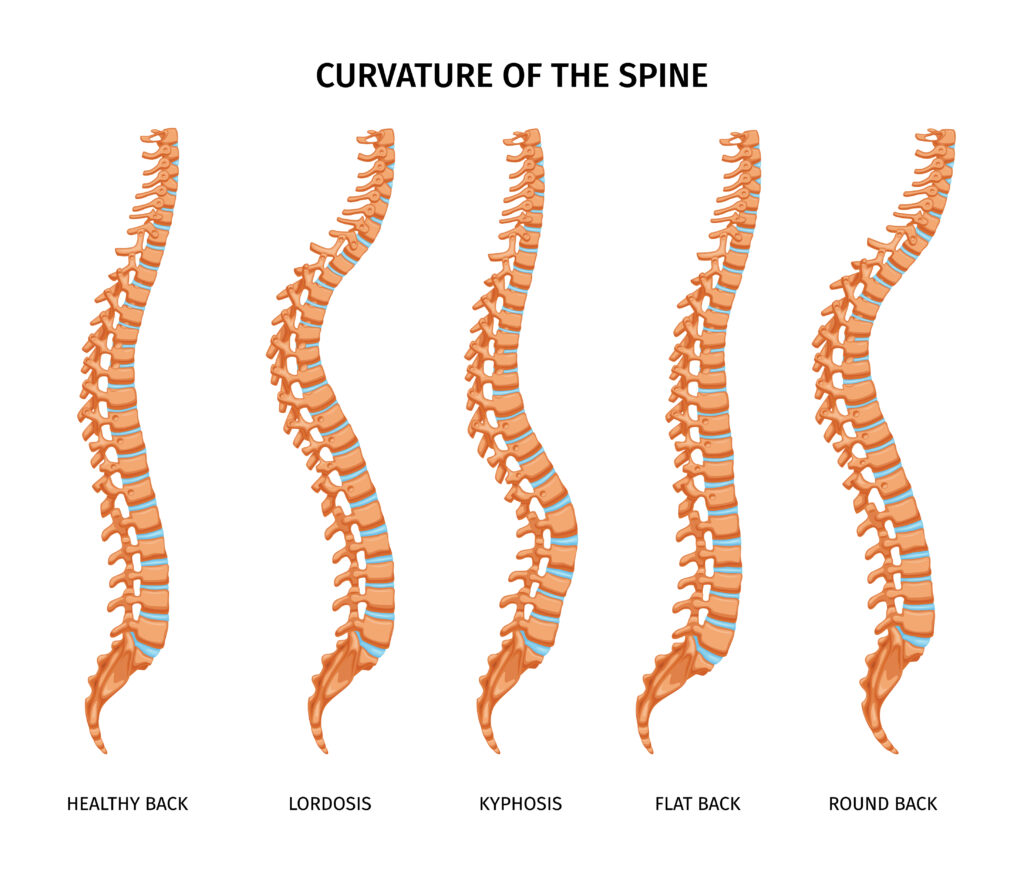
A lateral curvature often detected during childhood or adolescence. - Kyphosis:
An excessive forward curve in the upper back, causing the shoulders to appear rounded. - Lordosis:
An exaggerated inward curve in the lower back that pushes the abdomen forward.
Each type affects posture differently, but all share one impact: they disturb the body’s natural balance and confidence. This is why early detection and tailored treatment are essential.
Early Warning Signs
Many people don’t notice spinal curvature at first. However, several visual cues can signal a problem:
- Uneven shoulders or waist
- One shoulder blade more prominent than the other
- Leaning to one side
- One hip appearing higher than the other
- The head not aligned with the center of the body
Noticing these signs should prompt an immediate evaluation. At Qudra orthotics & prosthetics Lab, we rely on advanced diagnostic tools to identify the underlying cause and measure the curvature accurately.
Causes of Spinal Curvature
The origins of spinal deformities vary widely and include both congenital and acquired factors:
- Genetics: A family history of spinal disorders
- Growth imbalances: Uneven development of muscles and bones
- Poor posture: Prolonged sitting or improper lifting techniques
- Neuromuscular conditions: Such as cerebral palsy or muscular dystrophy
- Degenerative diseases: Including osteoporosis, especially in older adults
Because the causes differ from person to person, precise diagnosis becomes essential for creating an effective treatment plan. Qudra orthotics & prosthetics Lab provides comprehensive assessments using modern technologies to ensure each patient receives tailored care.
Diagnosis & Treatment at Qudra orthotics & prosthetics Lab
Treatment always begins with accurate diagnosis. At Qudra orthotics & prosthetics Lab, physicians use X-rays, MRI, and other imaging modalities to assess the curvature and measure the Cobb Angle, the international standard for evaluating spinal deformities.
Based on age, severity, and curve progression, a personalized treatment plan is developed. Treatment options include:
- Regular monitoring: For mild cases that require observation
- Physiotherapy: Strengthening core and back muscles to improve alignment
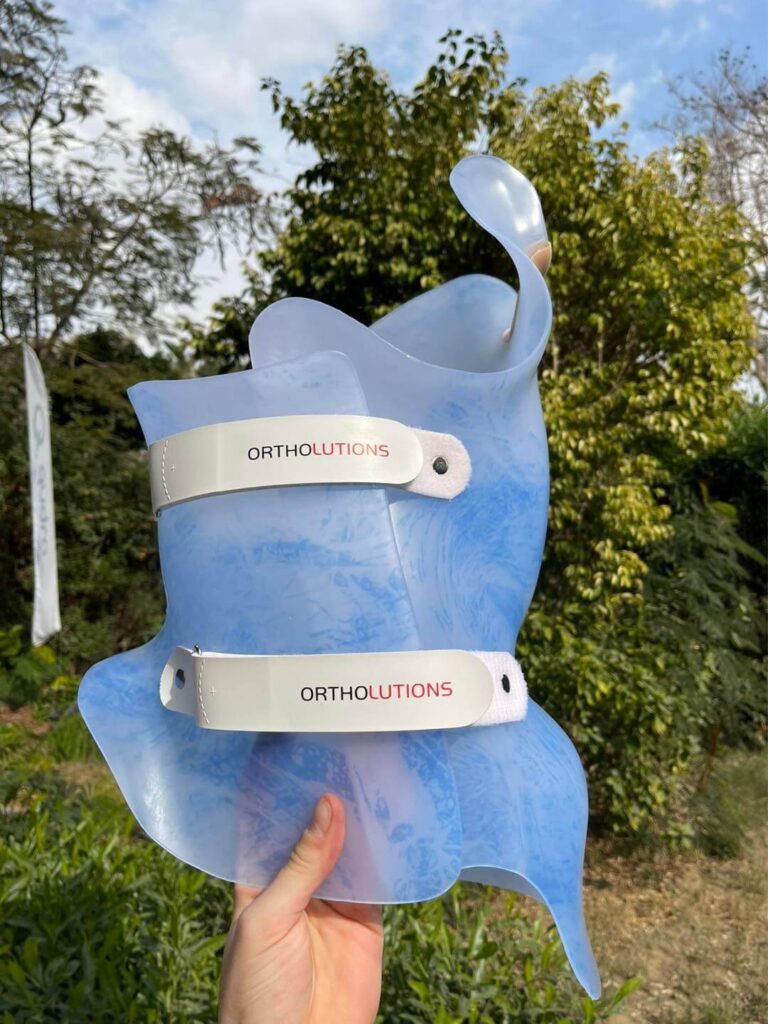
- Orthotic bracing: Particularly effective for adolescents during growth phases
- Medication: To improve comfort and reduce pain
- Surgery: Reserved for severe cases that affect breathing, mobility, or quality of life
After diagnosis and treatment planning, rehabilitation becomes the cornerstone of restoring mobility and posture.

Rehabilitation & Restoring Balance
At Qudra orthotics & prosthetics Lab , treatment doesn’t end with medical intervention. Rehabilitation is considered a vital step in the healing journey.
Our customized rehabilitation programs focus on:
- Strengthening back and abdominal muscles
- Improving flexibility and posture
- Correcting movement patterns
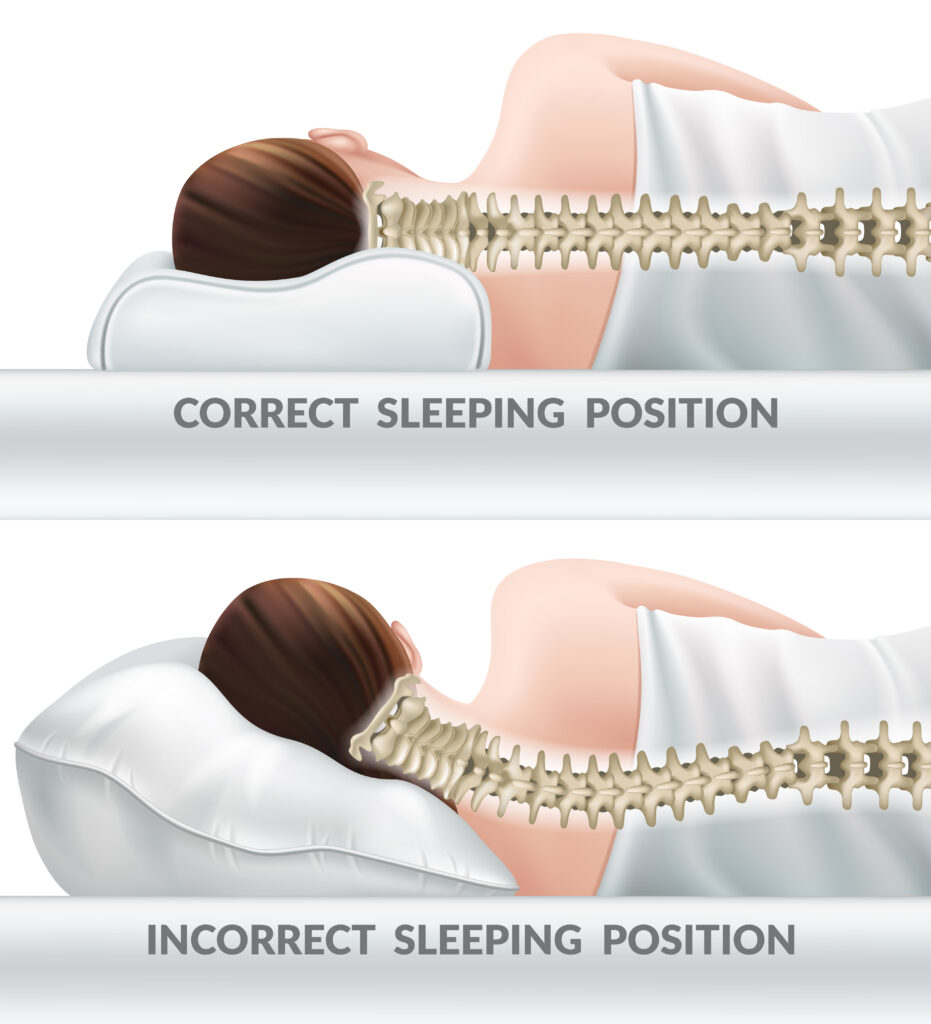
- Training on healthy sitting, standing, and sleeping positions
Supervised by an expert team, these programs ensure gradual, safe, and long-term recovery—helping the patient return to normal function with confidence.
Maintaining a Healthy Spine
To preserve treatment results and prevent recurrence, Qudra orthotics & prosthetics Lab educates patients on daily habits that support spinal health:
- Regular exercise to strengthen core muscles
- Proper ergonomic sitting posture
- Avoiding sudden or uneven lifting
- Maintaining a calcium- and vitamin D–rich diet
These preventive steps are essential for long-term spinal stability and overall wellbeing.
Conclusion
At Qudra orthotics & prosthetics Lab, our mission is to help every patient regain confidence in their body and move freely without pain. Spinal curvature is no longer a barrier to living a normal life—thanks to medical advancements and comprehensive rehabilitation care.
Through expert diagnosis, modern technology, and continuous support, we aim to turn every case into a new success story—proving that recovery is possible, alignment is attainable, and a balanced, healthy life can be restored.
Restore your balance. Protect your spine. Reclaim confident movement.
If you or your child show signs of spinal curvature, early diagnosis and specialized care can make a life-changing difference.
Contact Qudra Orthotics & Prosthetics Lab today to schedule a comprehensive spinal evaluation and personalized treatment plan.