How do prosthetic limbs help patients reclaim life with confidence and independence?
Losing a limb is one of the most challenging experiences a person can face—not only because of the physical limitations it causes, but also due to its deep emotional and social impact. Yet, the remarkable advancements in prosthetic technology in recent years have completely redefined the concept of physical disability. Today, modern prostheses can restore movement, rebuild confidence, and empower patients to return to a full, independent life.
This transformation did not happen by chance—it is the outcome of a powerful integration of engineering, medicine, and digital innovation. From this perspective, Qudra orthotics & prosthetics Lab stands as a leading provider of advanced, customized solutions that merge cutting-edge technology with compassionate care, turning every recovery journey into a new story of hope and determination.

1. Understanding the Challenges After Limb Loss
The journey toward restored mobility always begins with understanding—understanding the physical and emotional hurdles a patient goes through after losing a limb.Limb loss, whether upper or lower, is not merely the loss of a physical function. It often brings emotional shock, denial, and the difficult process of adaptation as patients search for solutions that restore their mobility and independence.This is where specialized centers like Qudra orthotics & prosthetics Lab play an essential role. Their mission goes far beyond manufacturing and fitting prosthetic limbs. It includes precise assessment, continuous rehabilitation, and psychological support—ensuring patients gain the confidence and skills needed to adapt to their new limb.The relationship built between the patient and the medical team is the cornerstone of success and lays the foundation for the next step: harnessing technology to serve human needs.
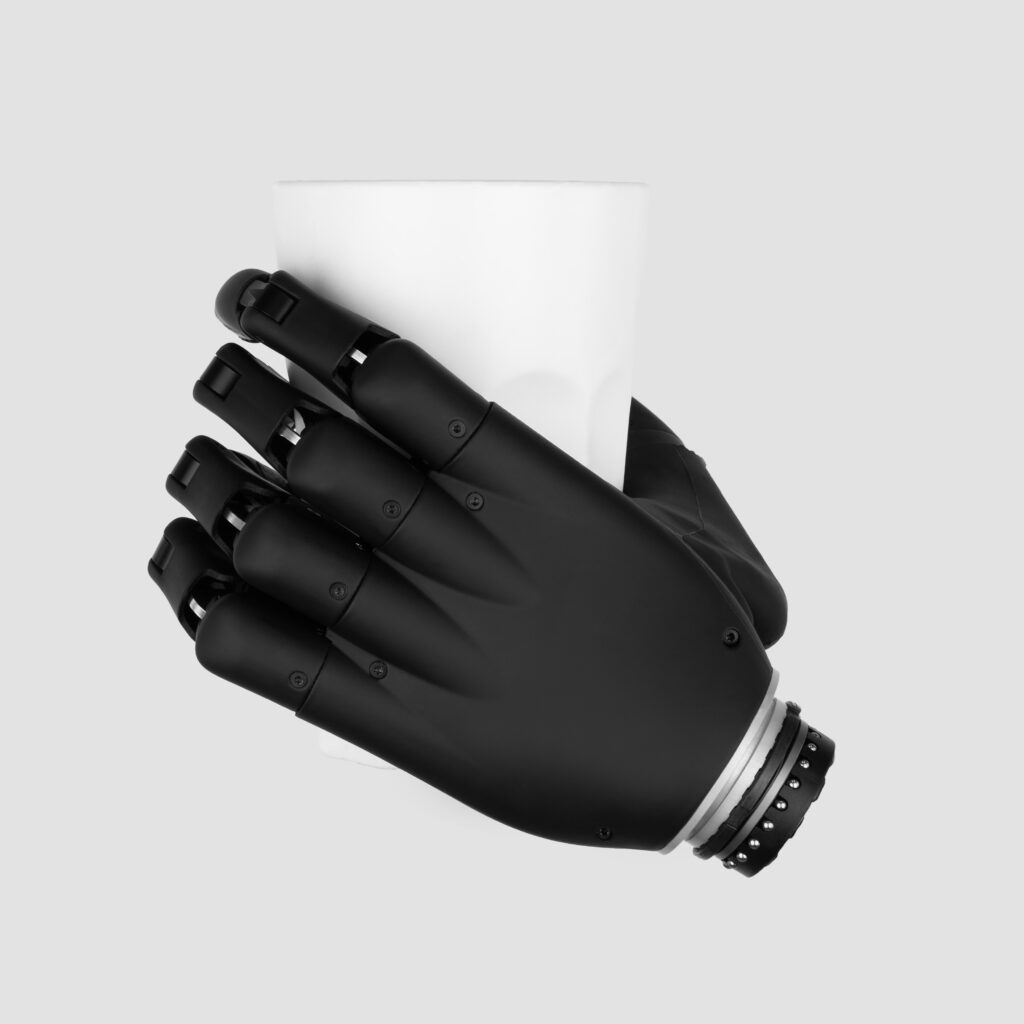
2. Modern Technology in Prosthetic Design
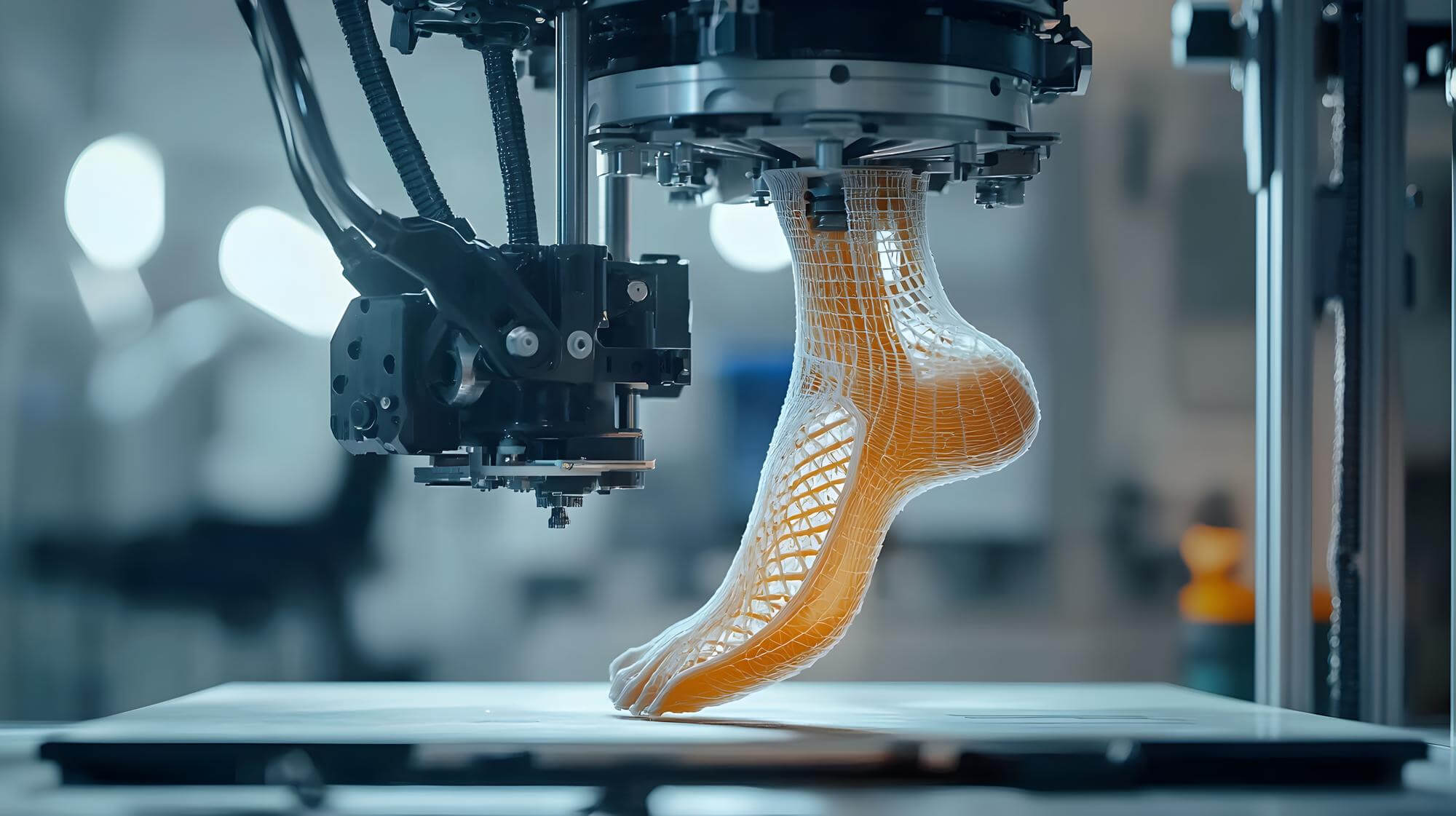
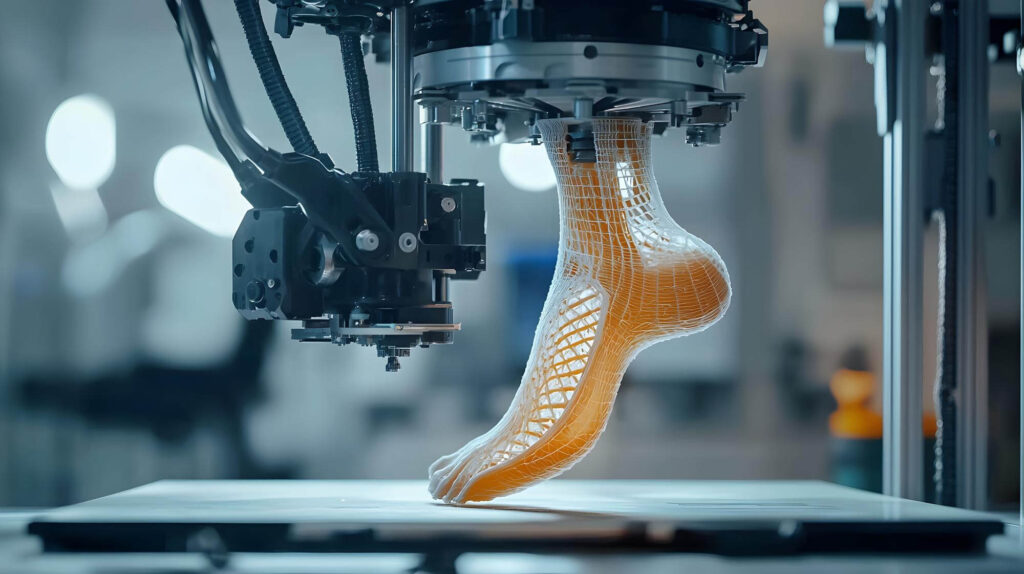
Once the initial emotional phase is managed, the practical steps of the journey begin: designing the right prosthetic limb.The field has undergone a massive transformation thanks to advanced technologies such as 3D printing and digital scanning (CAD/CAM), which allow for the creation of precise, anatomically accurate models tailored to each patient. At Qudra orthotics & prosthetics Lab , these technologies are used to design prosthetic limbs that balance high performance with maximum comfort. These devices are distinguished by:
- Highly accurate measurements
- Lightweight structures for easier movement
- Shorter adaptation periods
- Optimal comfort during daily use
Advanced materials—such as carbon fiber and medical-grade silicone—also contribute strength, flexibility, and stability, making the transition to fitting and rehabilitation smoother and more effective.

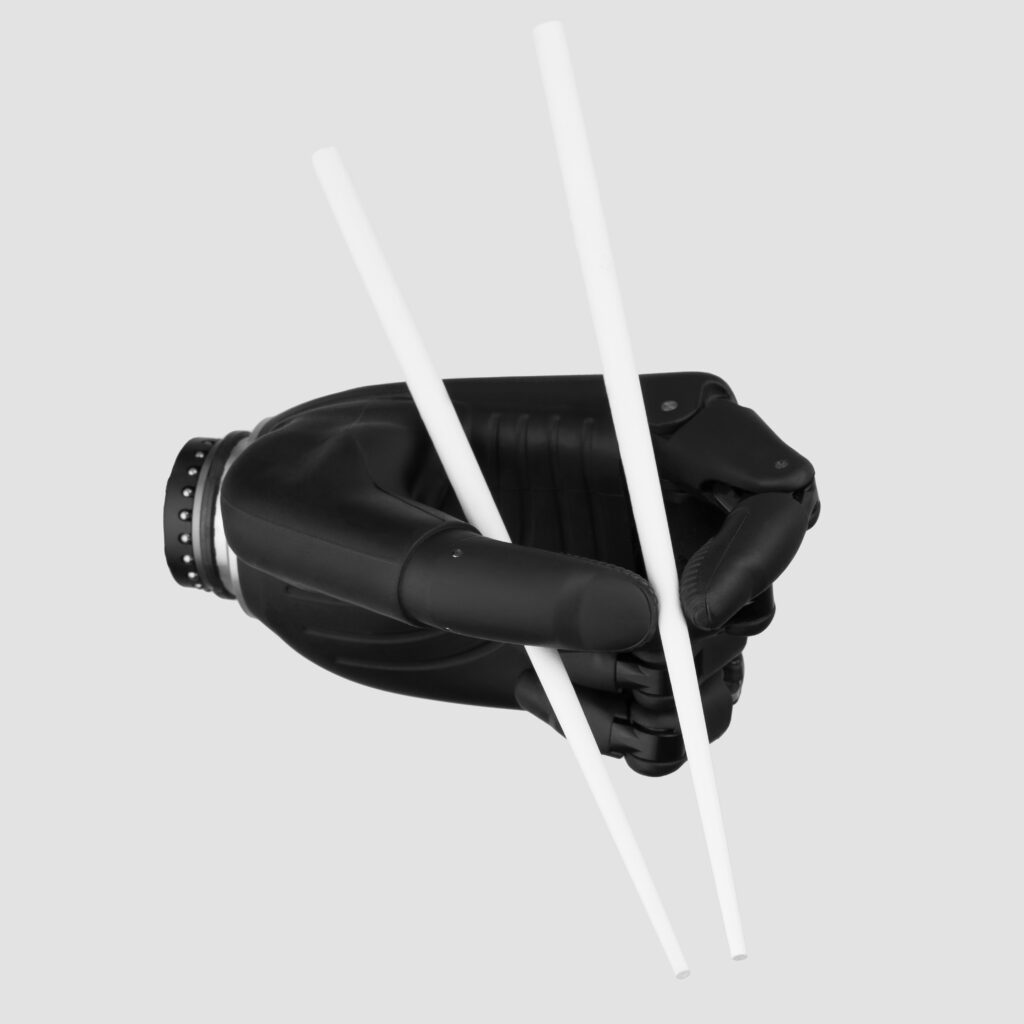
3. Types of Prosthetic Limbs and Advanced Solutions
Choosing the right prosthetic solution requires close collaboration between the patient and the medical team. Qudra orthotics & prosthetics Lab offers a comprehensive range of options, including:
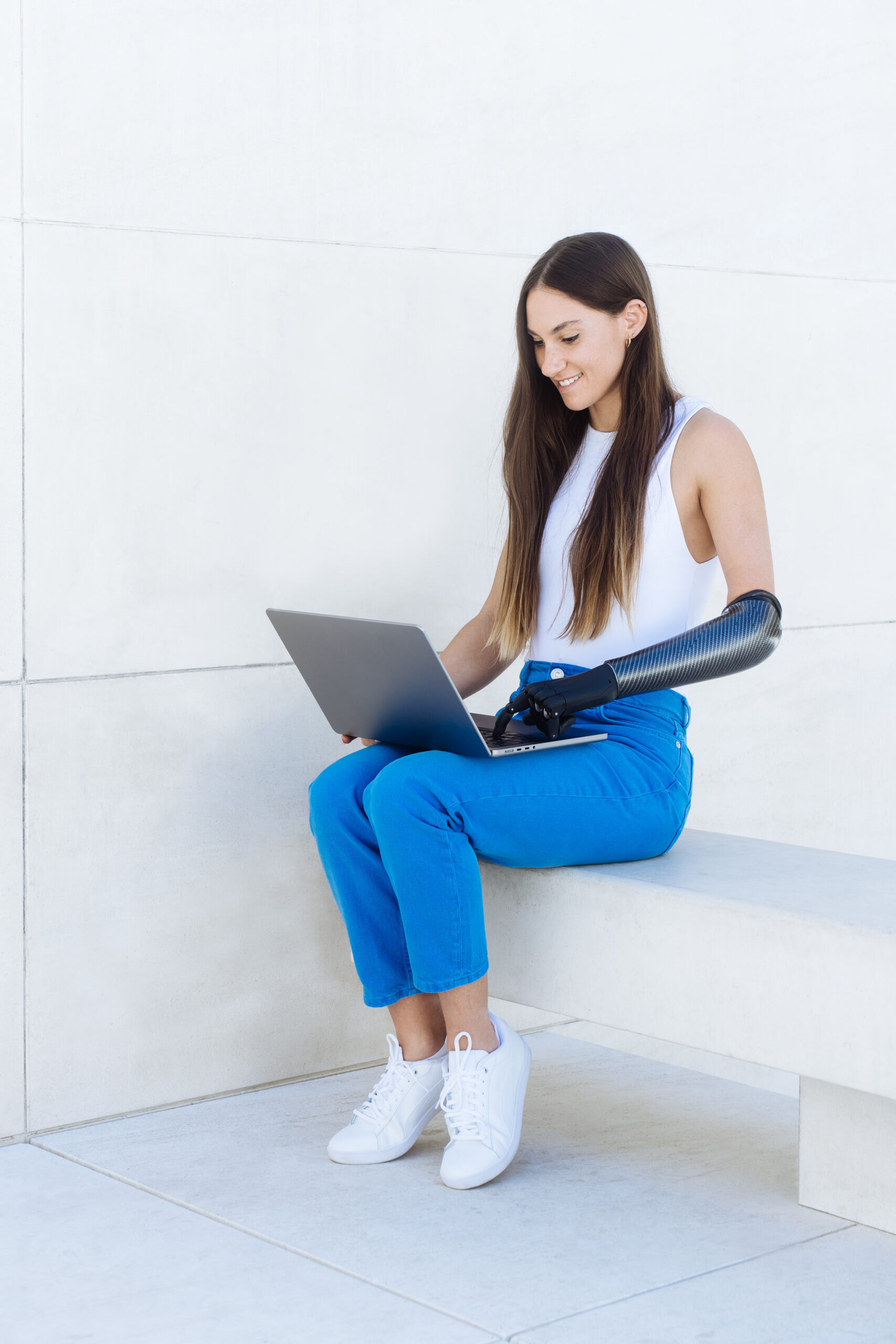
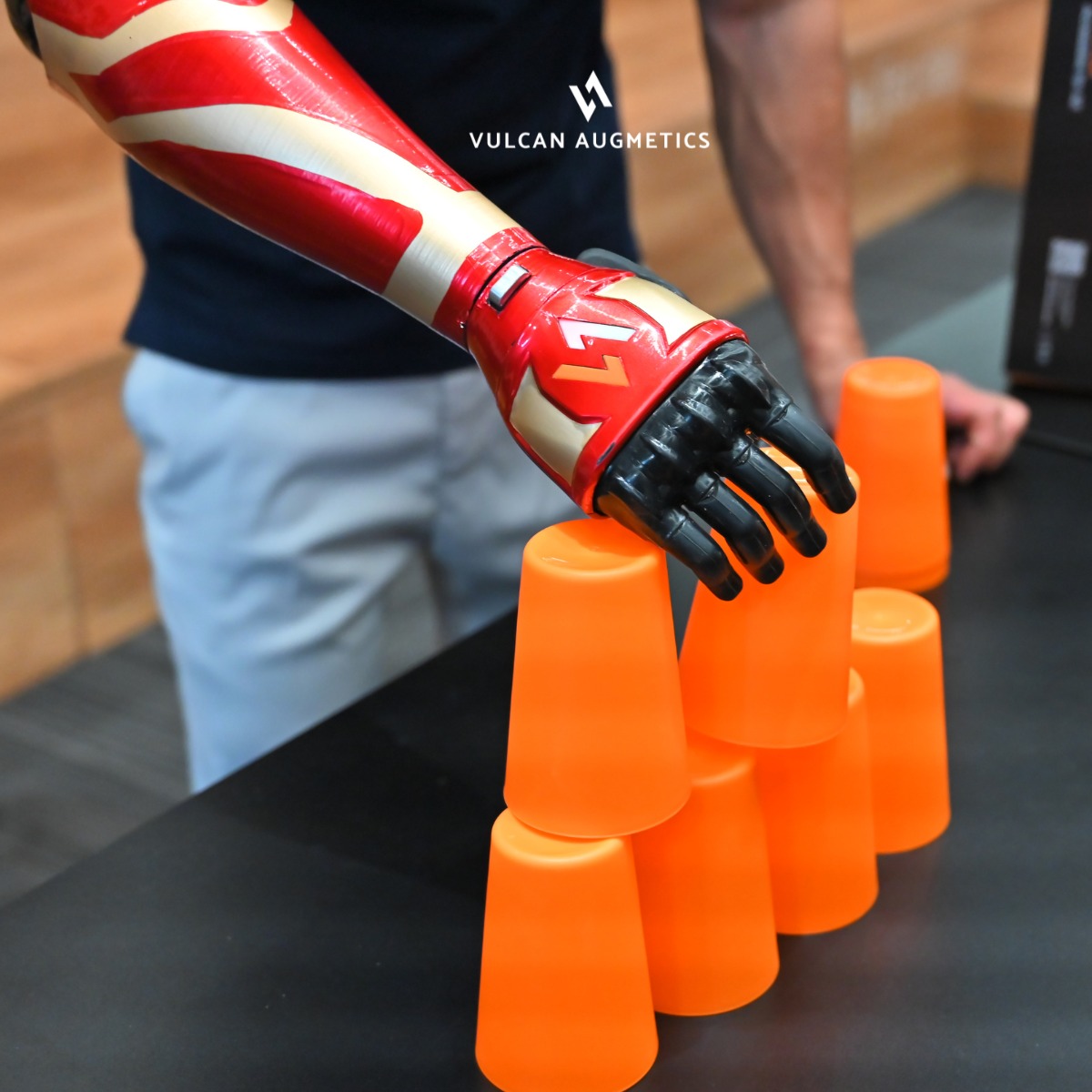
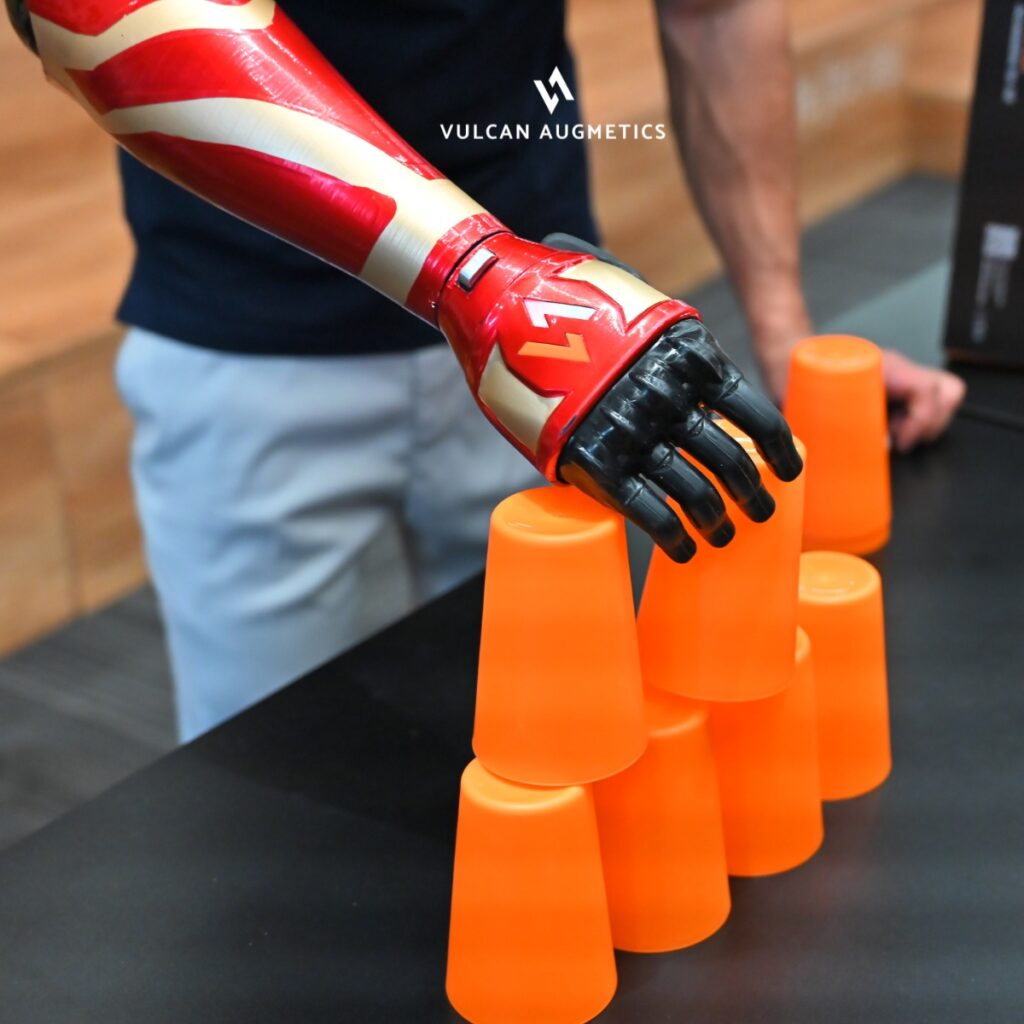
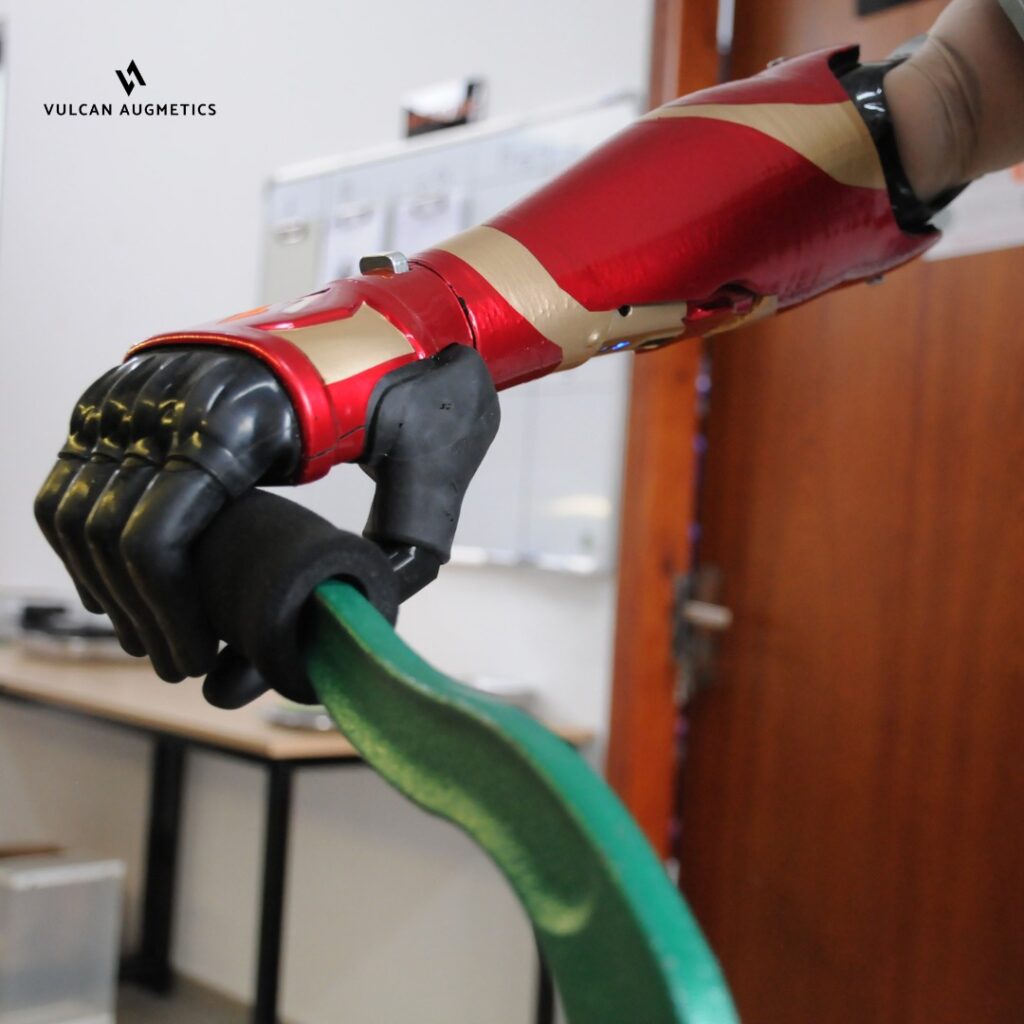
- Upper-limb prostheses: hand, wrist, elbow, and full-arm solutions that restore grip and fine motor function.
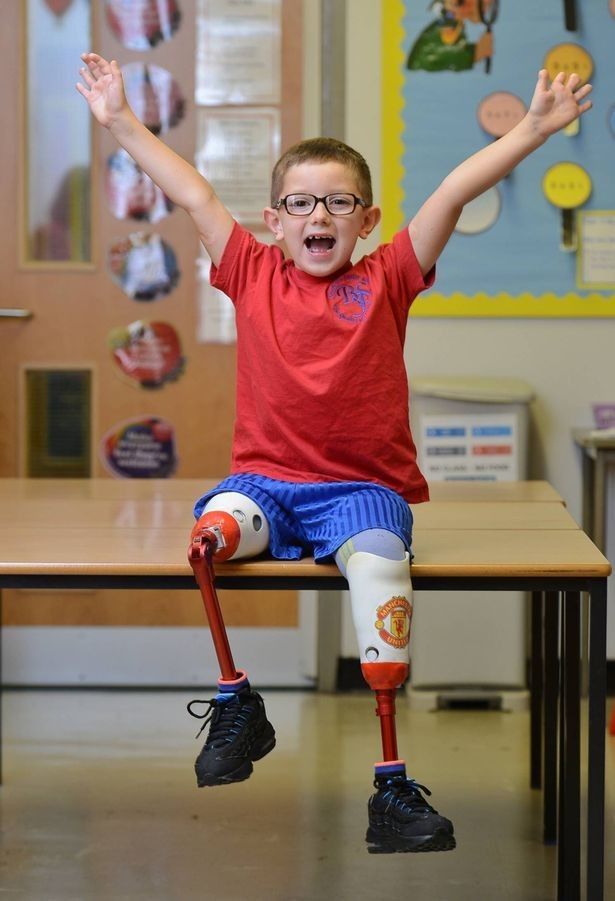
- Lower-limb prostheses: enabling patients to walk independently and safely, whether after partial or full amputation.
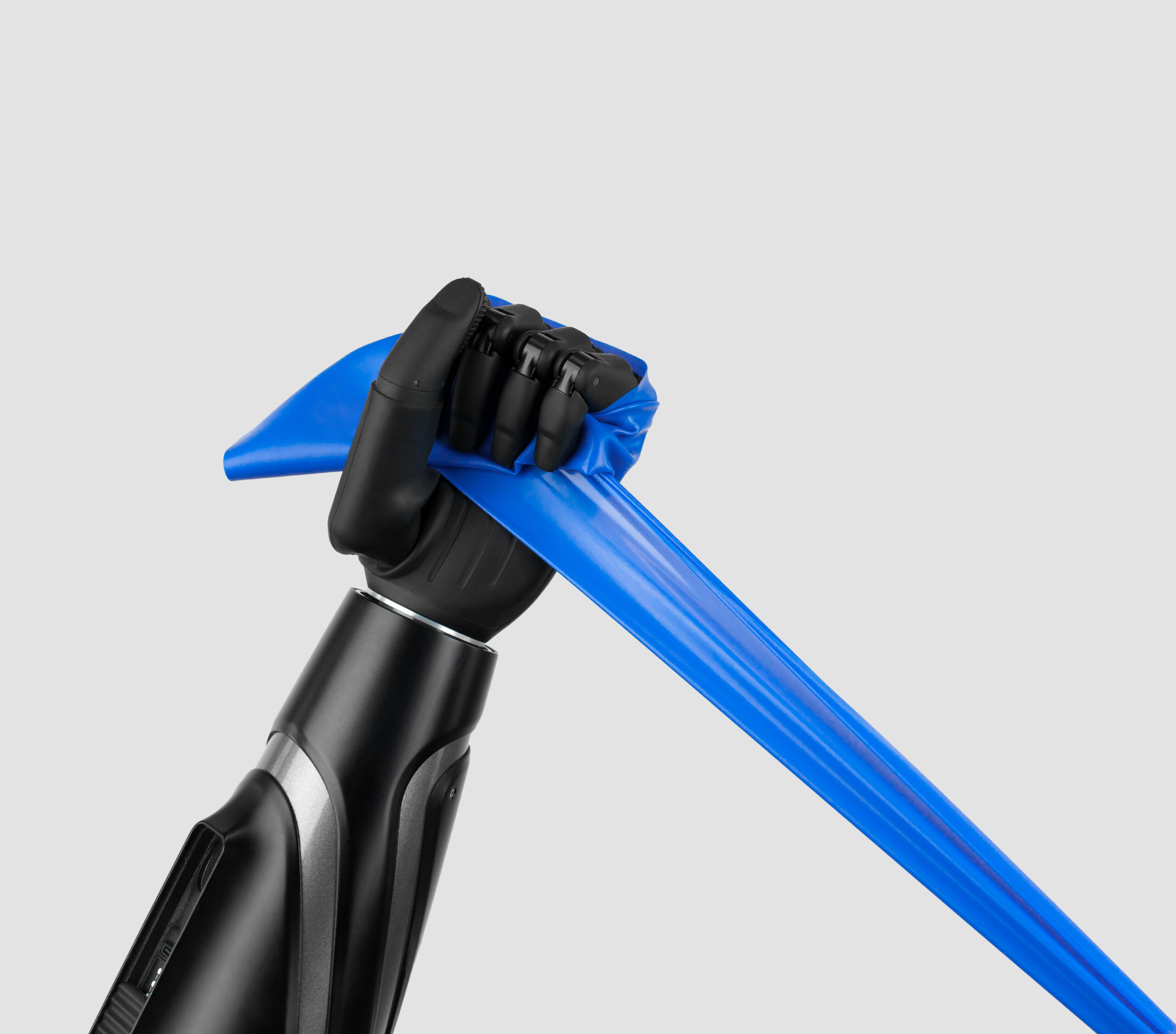
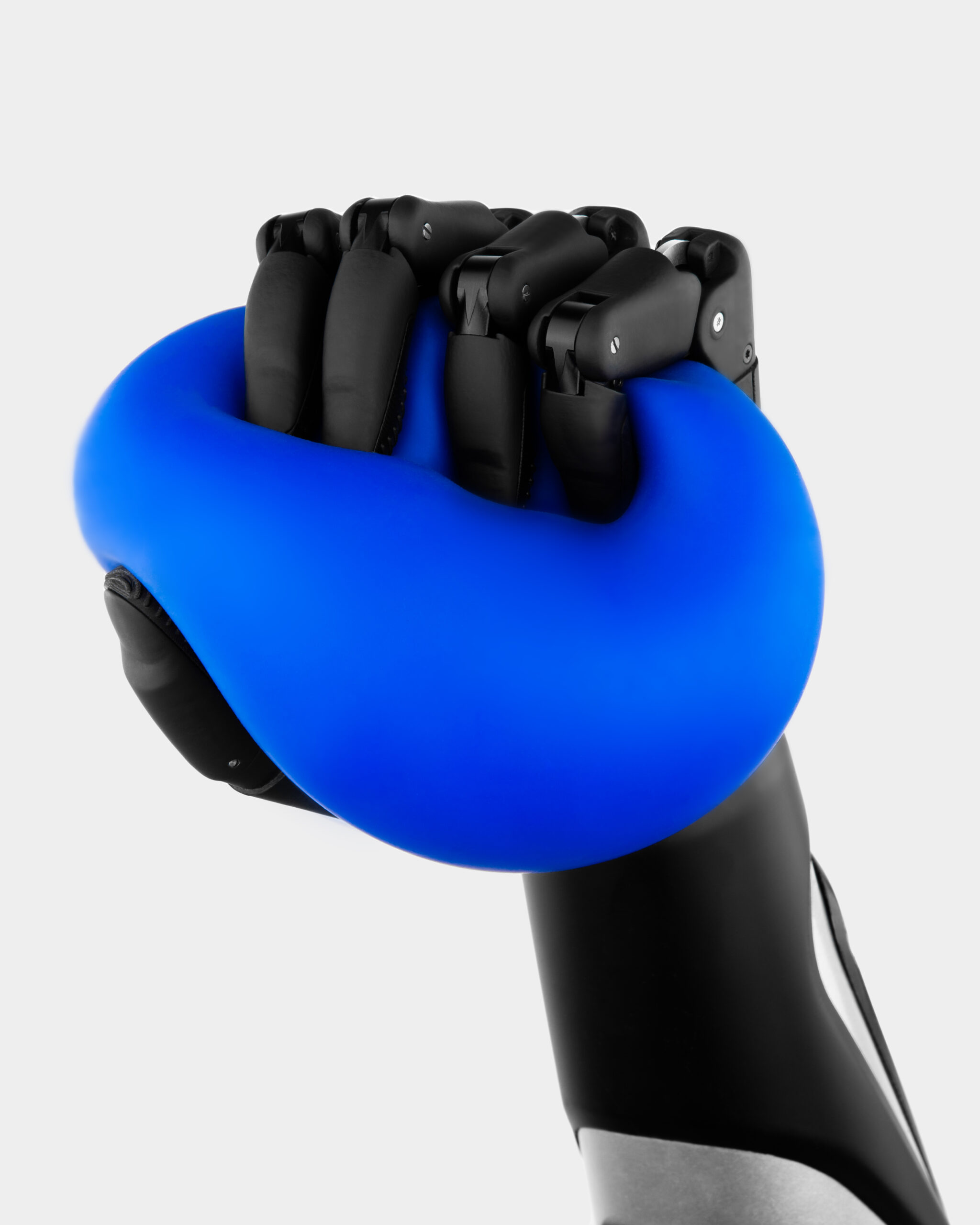
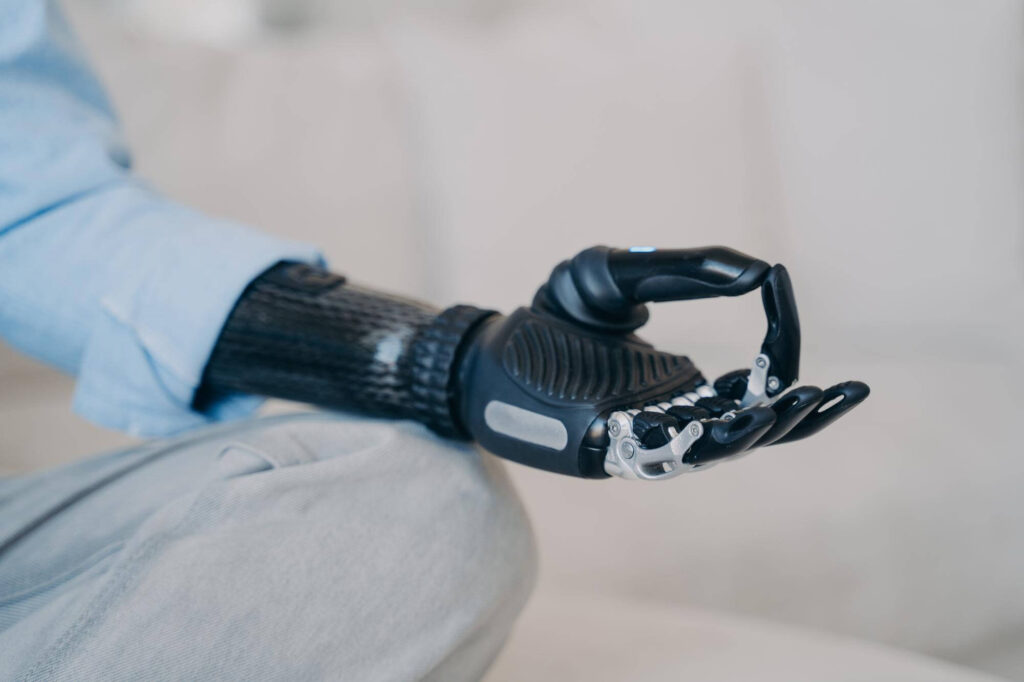
- Myoelectric and smart prostheses: operated by muscle signals and electrical impulses, delivering highly natural and precise movement.
- Support devices and orthotic systems: designed for cases of partial paralysis, muscle weakness, or deformities to provide stability and functional support.
This variety ensures that each patient receives a solution tailored to their unique needs—leading them to the most important phase: training and skill acquisition.
4. The Patient Journey at Qudra Center
The journey at Qudra orthotics & prosthetics Lab begins at the first assessment and continues until the patient achieves full adaptation to the prosthetic limb. The process includes several essential stages:
Medical & Technical Evaluation
A specialized team conducts an in-depth assessment of the case, determining the appropriate prosthesis based on amputation level, health condition, age, and daily activity.
Design & Manufacturing
Digital technologies and 3D printing are used to create a customized model, with every detail reviewed to ensure maximum precision and comfort.
Fitting & Testing
The prosthetic limb is fitted under expert supervision. Its alignment, function, and comfort are tested through real-life movements.
Training & Rehabilitation
A complete training program helps patients learn correct and safe use—from basic movement to more complex daily activities.
Continuous Follow-Up
Qudra orthotics & prosthetics Lab provides ongoing support after fitting, adjusting the device as needed and offering technical and psychological assistance to ensure long-term success.
5. International Partnerships & Continuous Development
To keep pace with global advancements, Qudra orthotics & prosthetics Lab maintains strategic partnerships with leading international manufacturers such as Neja (Germany), ST&G (USA), Ortpar (Turkey), and Aether Biomedical (Poland).Through these partnerships, the center introduces the latest technologies to the Egyptian and Arab markets while ensuring competitive pricing for all categories. Qudra orthotics & prosthetics Lab also focuses on training local professionals according to international standards, ensuring that expertise and excellence remain the foundation of every service delivered.
6. The Human Aspect of Prosthetic Care
Despite the sophistication of modern technology, the human element remains at the heart of Qudra orthotics & prosthetics Lab mission.Every prosthetic limb represents a human story—a story of resilience, determination, and a patient’s desire to reclaim their life. For this reason, psychological support is integrated into every stage of rehabilitation, from the first consultation to the moment the patient regains long-term confidence. At Qudra orthotics & prosthetics Lab, success is measured not only by the quality of the device but by the patient’s ability to return to daily life independently and confidently.
This is what truly distinguishes the center: a unique blend of science, empathy, and advanced engineering.
7. The Future of Prosthetics
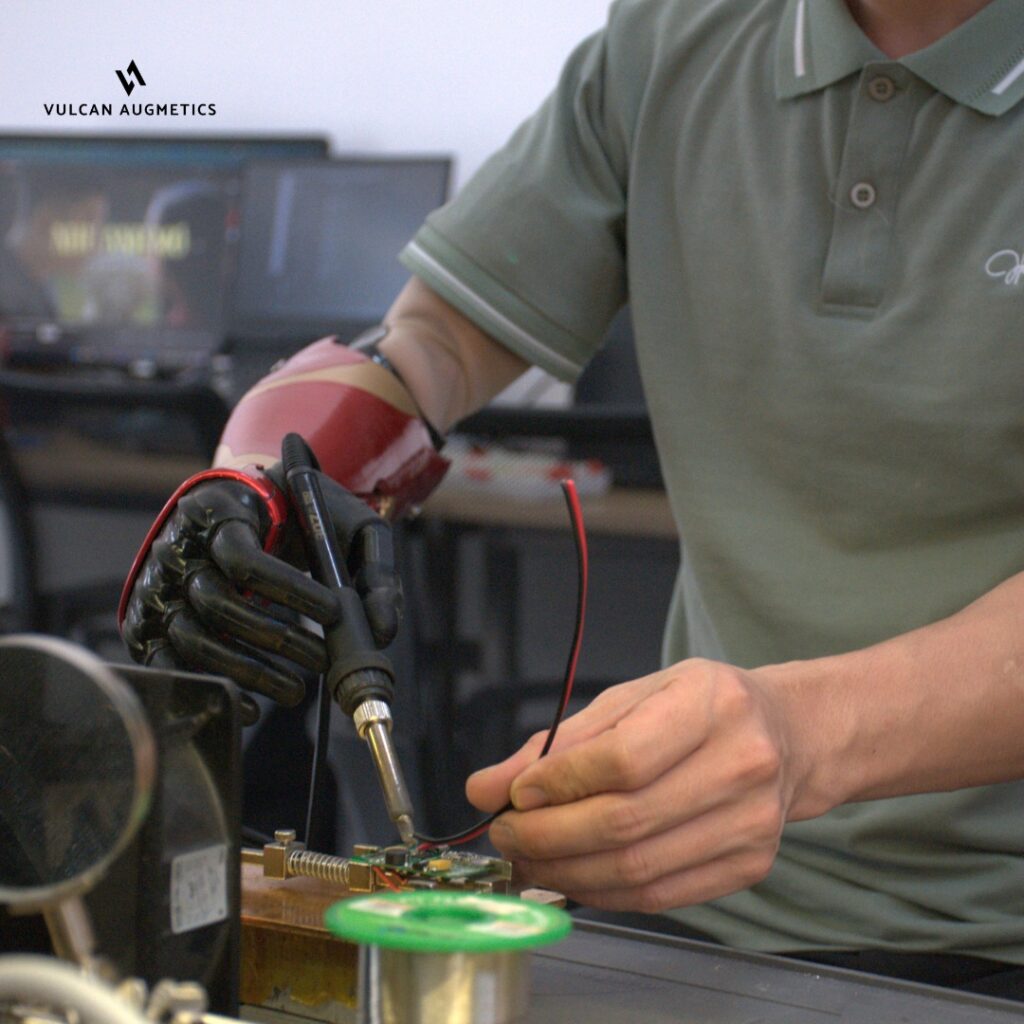
The global prosthetics industry is moving toward integrating artificial intelligence and neural control, allowing patients to operate their prosthetic limbs with unprecedented precision. Qudra orthotics & prosthetics Lab is closely following these developments and gradually incorporating future-ready technologies into its services. The vision is clear: combining science, innovation, and compassionate care to deliver safe, complete, and life-transforming rehabilitation experiences.
Conclusion: A Step Toward a New Life
Every journey toward restored mobility begins with a single step—and that step begins with trust. At Qudra orthotics & prosthetics Lab, patients are placed at the heart of every process. Each prosthetic limb is designed not just as a device, but as a genuine extension of a person’s ability to adapt, grow, and reclaim life.With advanced technology, medical expertise, and human-centered care, Qudra orthotics & prosthetics Lab empowers individuals to regain freedom of movement and return to life with confidence, comfort, and independence.
Your journey toward confidence and independence starts here.
With advanced prosthetic technology, personalized rehabilitation, and compassionate support, a full and active life is within reach.
Contact Qudra Orthotics & Prosthetics Lab today to schedule a comprehensive evaluation and take your first step toward reclaiming your life.