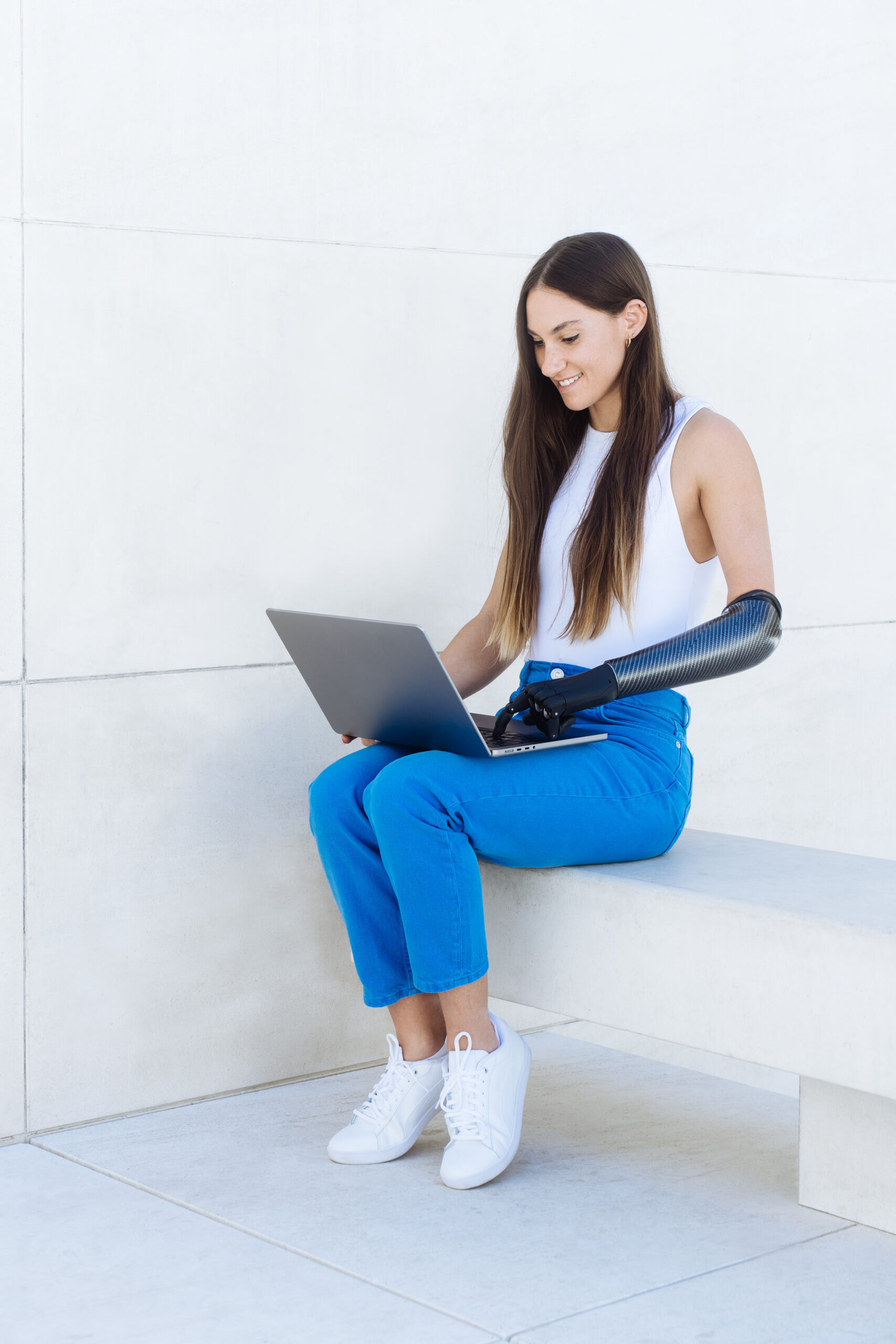
How to Address These Challenges for a Better Quality of Life
Losing a limb is not just a physical change; it is an experience that carries many health and psychological challenges. One of the most significant of these challenges is pain—whether acute pain after surgery or chronic pain that develops over time. In this context, understanding the nature of post-amputation pain and managing it effectively becomes essential for maintaining the patient’s quality of life and enabling them to return to their daily activities.
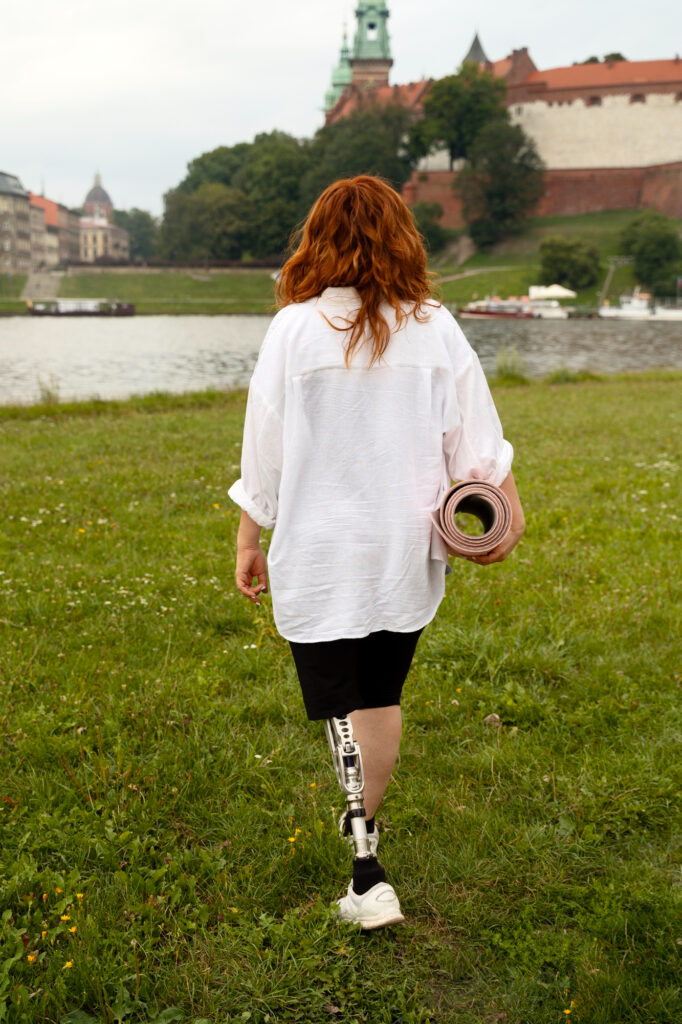
One of the most common symptoms experienced by amputees is Phantom Limb Syndrome, which is the sensation that the amputated limb is still present and causing pain or tingling. This phenomenon can be confusing and extremely painful, ranging from mild discomfort to severe episodes that affect sleep and daily activities. At Qudra orthotics & prosthetics Lab, this condition is managed through a comprehensive assessment of each patient, followed by multiple strategies including physical therapy, nerve stimulation, and sometimes medication under specialized medical supervision.
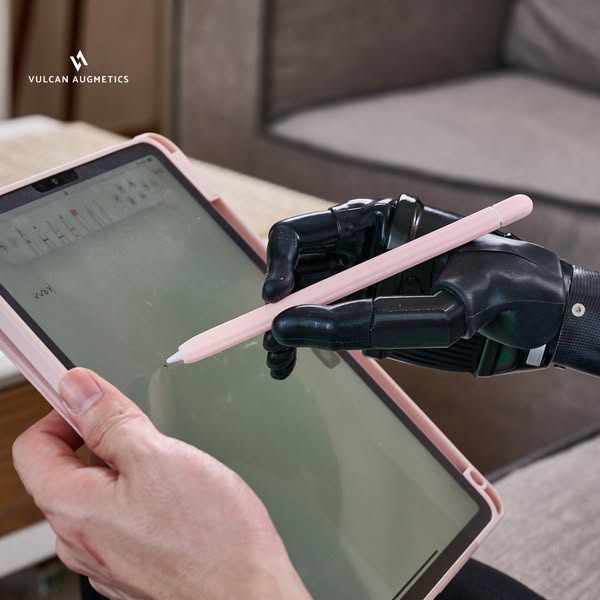
In addition to phantom limb syndrome, many patients experience chronic pain in the residual limb or in other parts of the body due to uneven weight distribution during movement. This pain can lead to gait abnormalities, muscle fatigue, and joint complications, which require early intervention to correct movement patterns and relieve discomfort. At Qudra orthotics & prosthetics Lab, tailored rehabilitation programs are designed to strengthen muscles, improve balance, and closely monitor treatment response, adjusting plans as needed for each patient.
From a dermatological perspective, skin irritation and residual limb wound issues represent another challenge that requires continuous care. Irritation or ulcers may develop due to friction from the prosthetic limb or lack of proper ventilation, increasing the risk of infection and affecting patient comfort. To manage these issues, the Qudra team relies on high-quality materials in prosthetic design, while also educating patients on daily skin care routines, cleaning the prosthetic limb, and checking the area regularly to prevent complications.
The greater challenge often lies in the combination of chronic pain, skin issues, and phantom limb syndrome—all of which can significantly affect the patient’s psychological well-being. For this reason, the Pain Management Program at Qudra orthotics & prosthetics Lab includes comprehensive psychological evaluation alongside medical and physical support, ensuring the patient feels stable and comfortable throughout the recovery and rehabilitation phases.
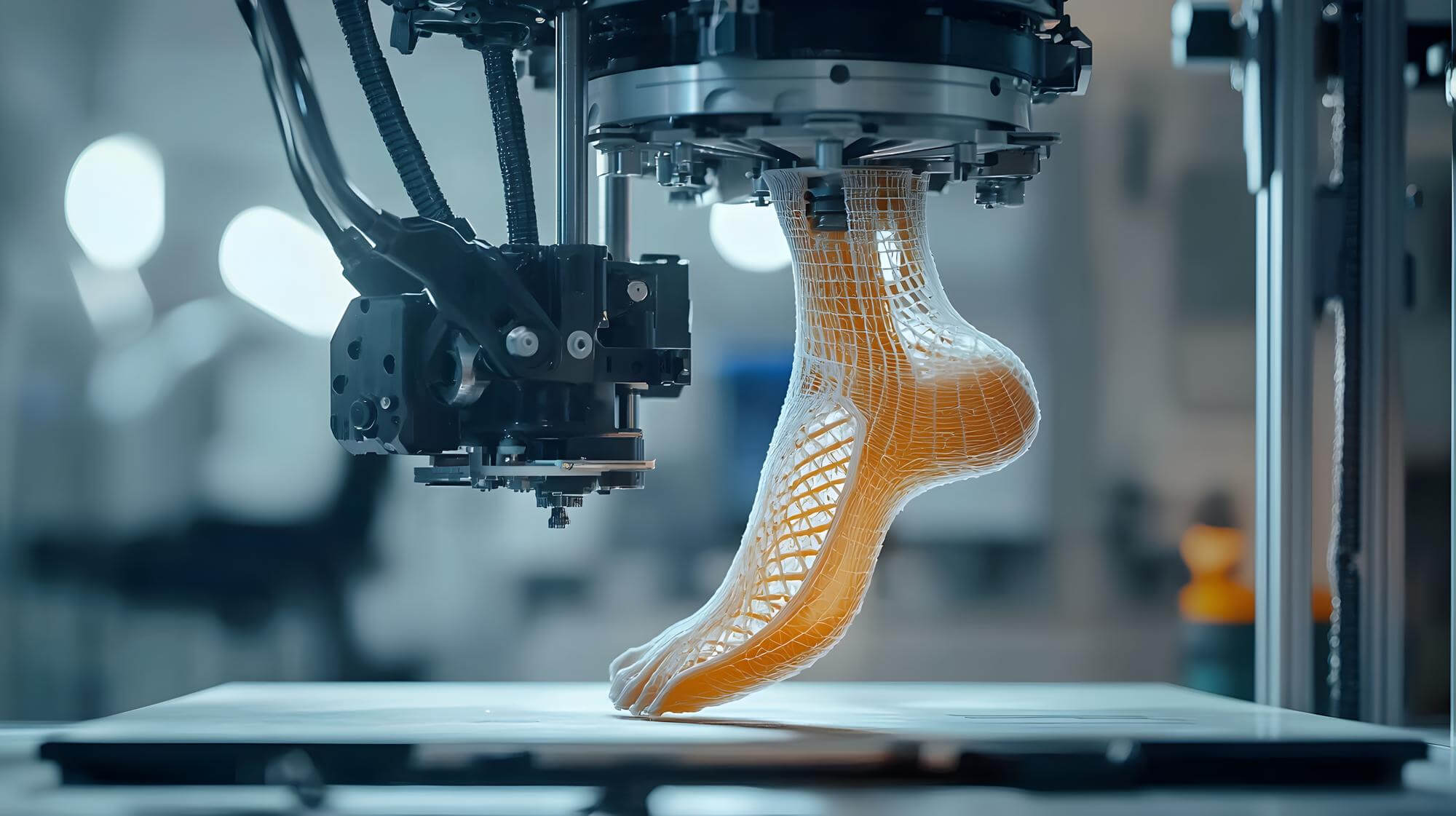
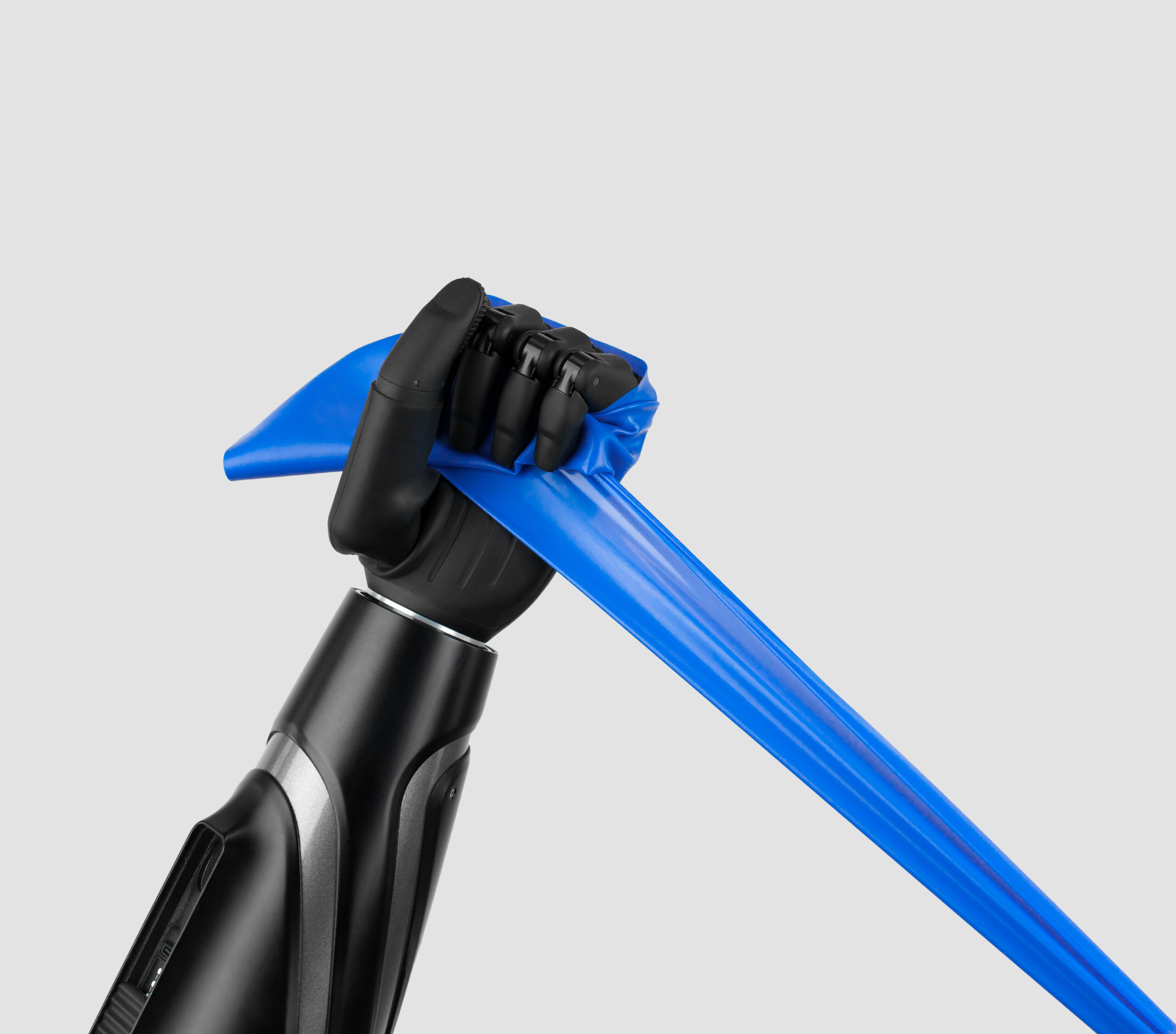
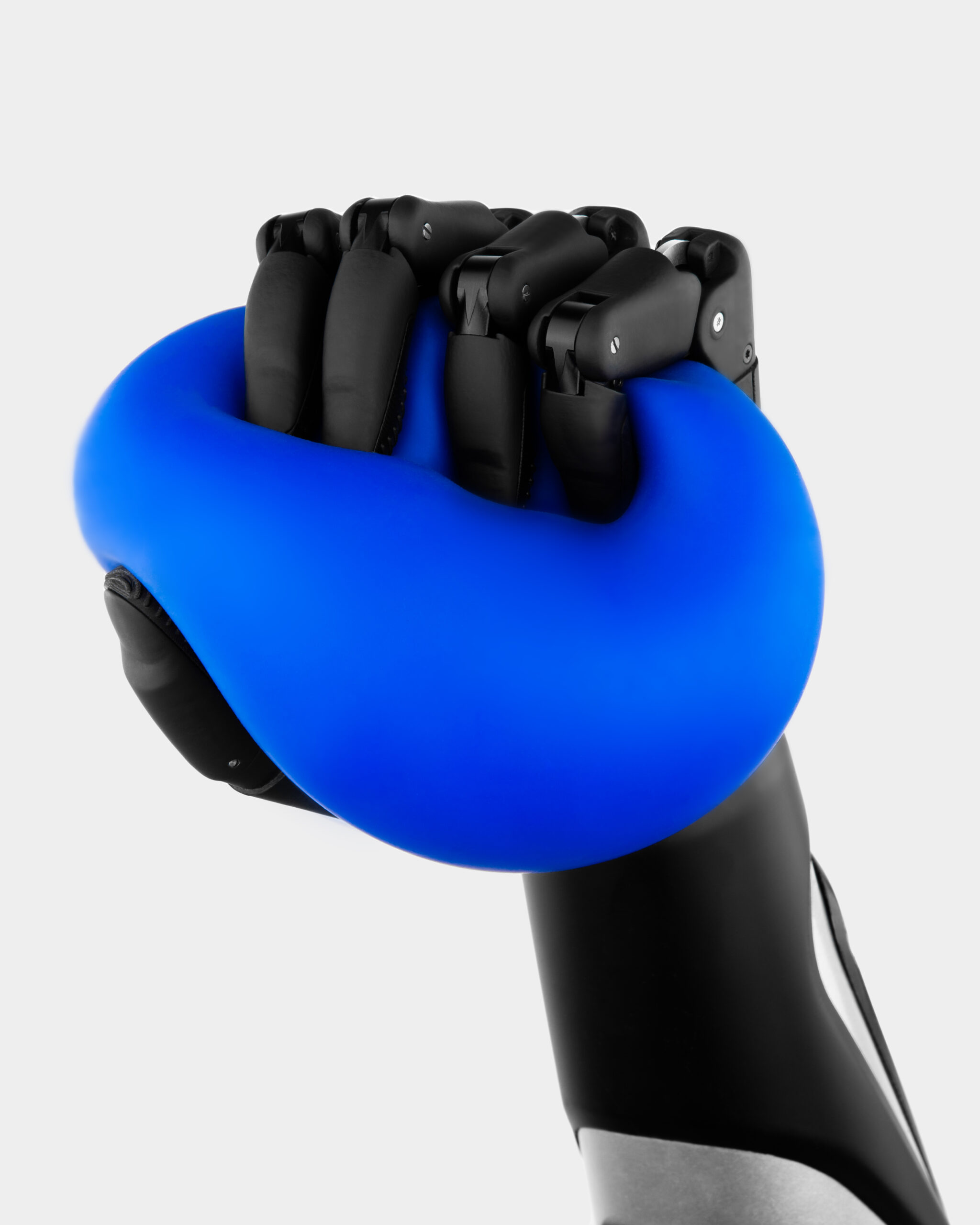
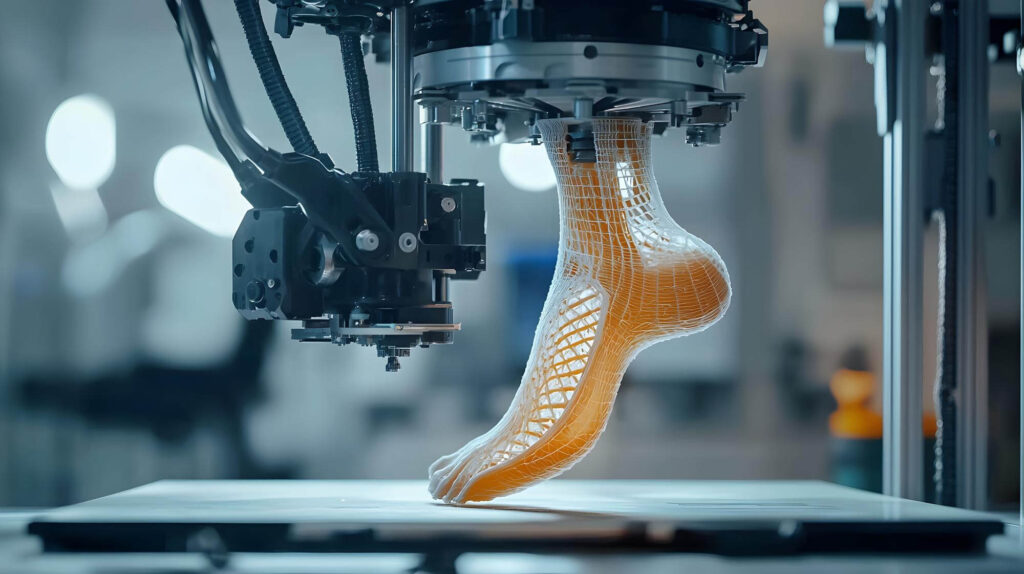
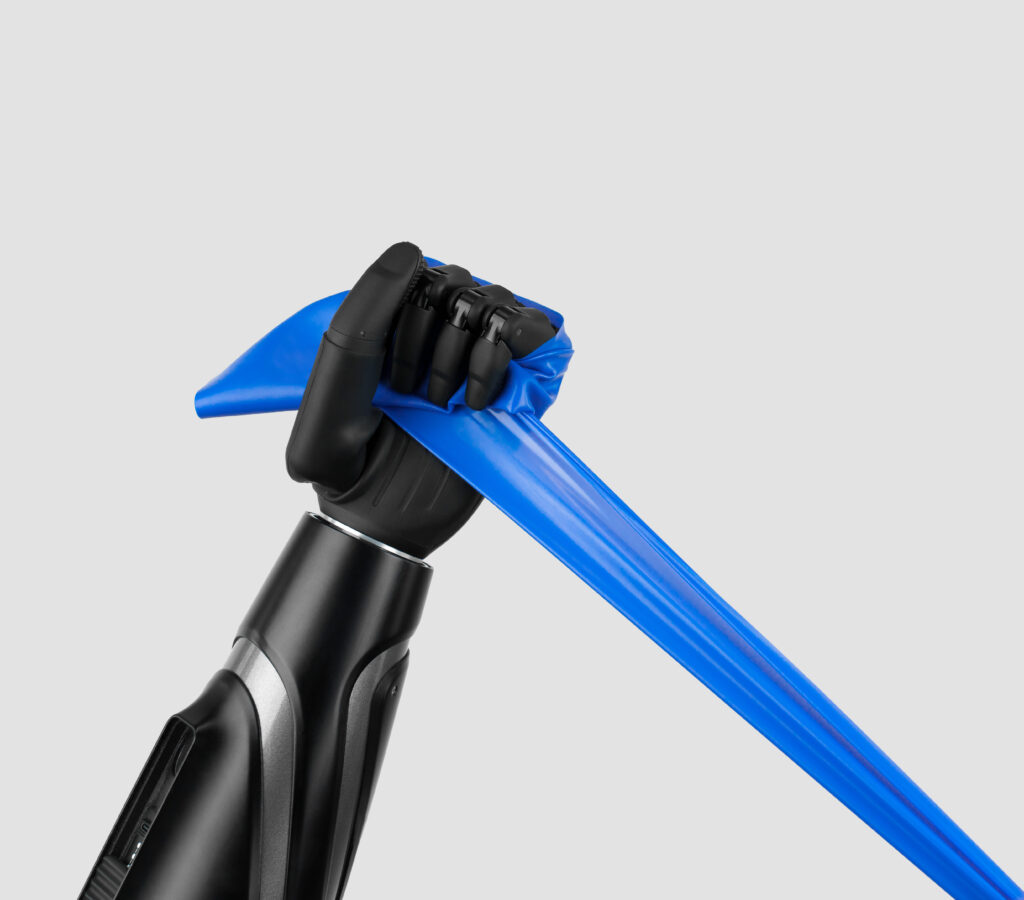
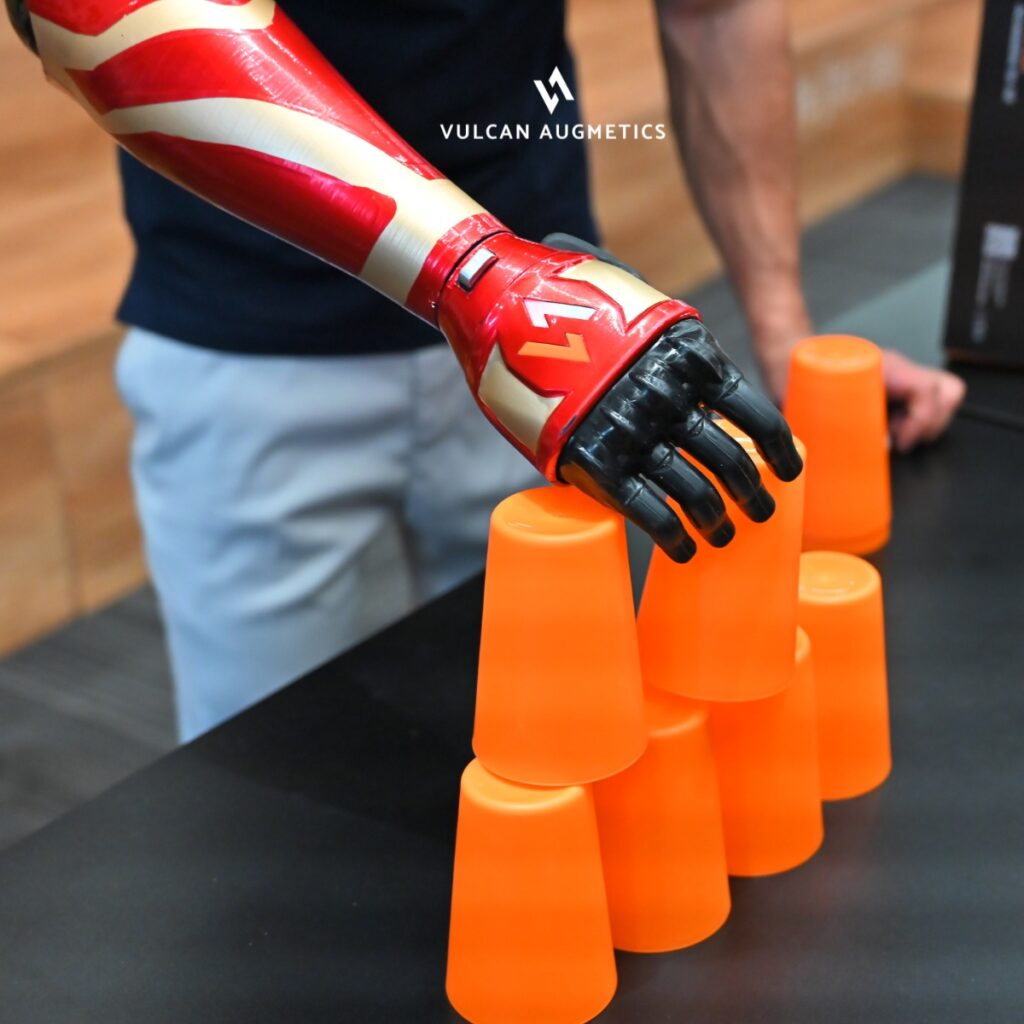
Effective pain management after amputation is not limited to traditional methods alone; it also involves advanced technological innovations. Custom-designed prosthetics that distribute weight evenly, nerve stimulation devices, and personalized physical therapy programs all contribute to reducing pain and enhancing patient independence. At , these methods are applied individually for each case to achieve the best possible results and ensure maximum comfort.
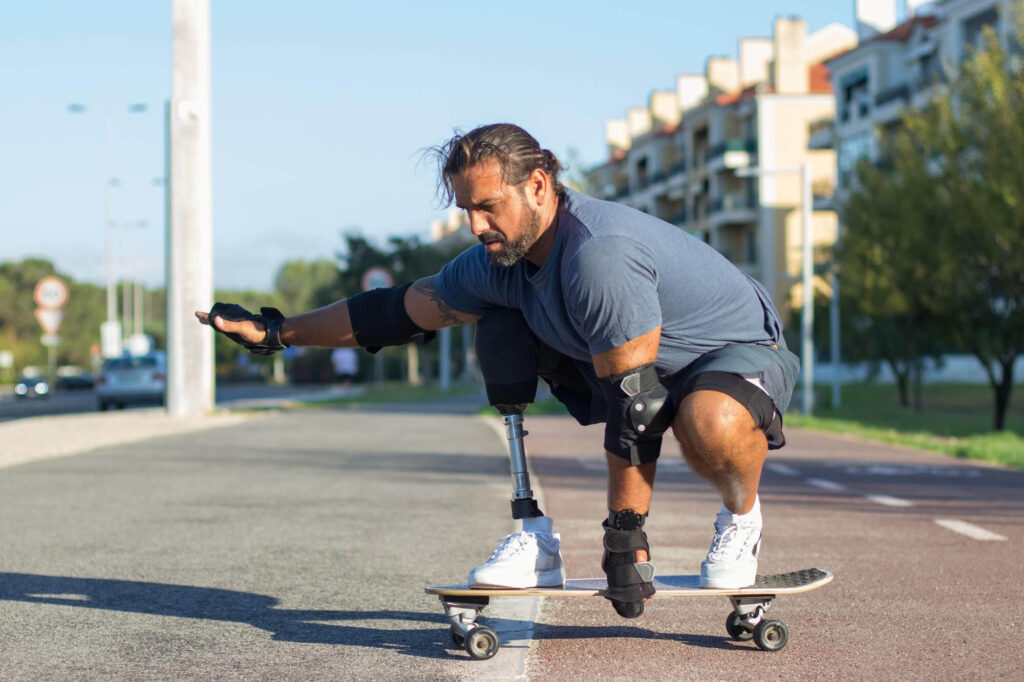
Patient education plays a crucial role in managing pain. Understanding how to use the prosthetic limb, how to monitor skin changes, and recognizing symptoms of phantom limb syndrome can reduce risks and boost confidence. Therefore, the qudra team focuses on providing educational and guidance sessions for patients and their families, equipping them with the knowledge and tools needed for effective pain management.
Ultimately, pain and post-amputation health complications require a comprehensive approach involving accurate evaluation, continuous follow-up, and close collaboration between the patient and the medical team. Thanks to the advanced programs and modern equipment At Qudra orthotics & prosthetics Lab, patients can restore their quality of life, reduce pain, and overcome the physical and emotional challenges associated with limb loss. Investing in comprehensive care and long-term support is not a luxury—it is essential for enabling amputees to return to their lives safely and confidently.
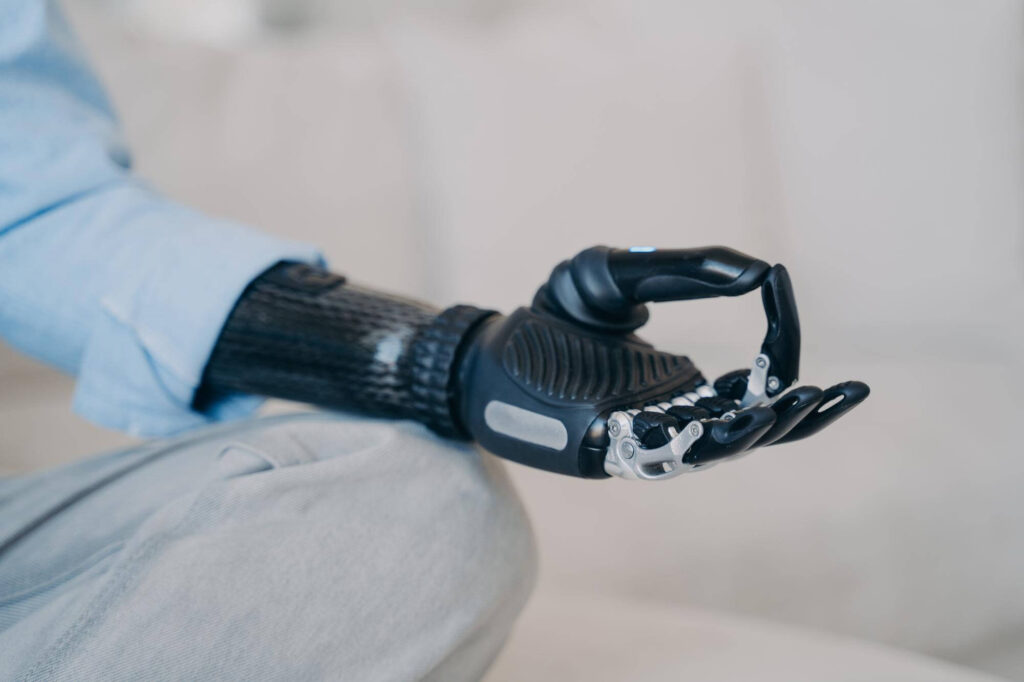
By combining medical expertise, advanced technology, and psychological support, qudra offers an integrated model of post-amputation care, reaffirming that pain does not have to stand in the way of an active, independent life. Every step in the rehabilitation program aims to enhance independence, improve mobility, and protect the patient’s overall health, making the recovery journey safer and more effective.
Post-amputation pain can be challenging, but it is not the end of the road. With the right management strategies, specialized care, and ongoing support, patients can overcome these obstacles and return to daily life with confidence and comfort. This is where the vital role of specialized centers such as qudra becomes clear—centers that prioritize patient health and comfort at every stage, serving as the ideal partner in the journey of recovery after amputation.
Pain after amputation should never define your life.
With the right care, advanced prosthetic solutions, and continuous rehabilitation, a more comfortable and independent future is possible.
Contact Qudra Orthotics & Prosthetics Lab today to schedule a comprehensive pain and rehabilitation assessment.