The Journey of Adaptation and the Importance of Integrated Support for Better Mobility and Stability
After limb loss, a person begins an entirely new journey—one that goes far beyond simply fitting a prosthetic. It is a journey of reclaiming movement, balance, and independence. And despite the significant technological advances in modern prosthetic design, amputees still face a variety of motor and functional challenges that directly impact their quality of life. These challenges are not limited to the device itself; they extend to the body, the mind, and the overall mechanics of movement. This is where specialized centers like Qudra orthotics & prosthetics Lab play a vital role in providing integrated solutions that help patients adapt, learn, and regain confidence in their mobility.
One of the earliest difficulties a patient encounters after receiving a prosthetic limb is relearning how to walk or move. The body undergoes major changes after amputation—muscles, joints, and overall balance are affected. Initially, every step may feel unnatural, and the prosthetic might seem heavy or unstable. Although these sensations are normal, they can be discouraging if the patient does not receive proper support. At Qudra orthotics & prosthetics Lab, the process begins with a comprehensive assessment of muscle strength in the residual limb, the patient’s balance level, and gait pattern. Based on this evaluation, a personalized training plan is created to help the patient gradually build stability and confidence.
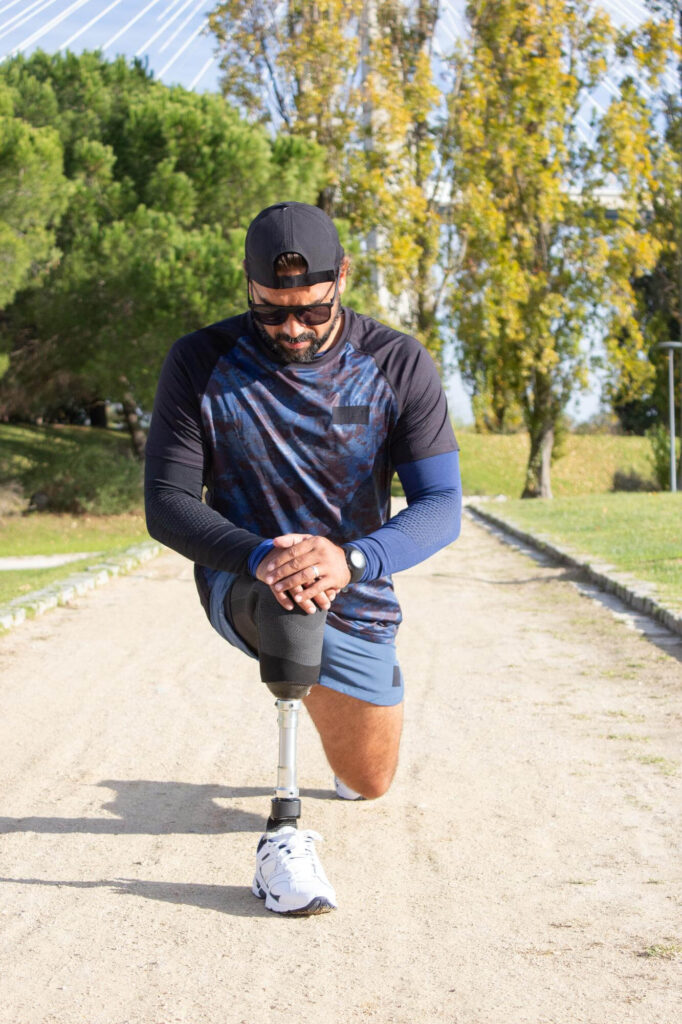
As movement begins, another challenge emerges: maintaining balance while standing and walking. Lower-limb prosthetics, in particular, require precise synchronization between body mechanics and the device. Even a slight imbalance in weight distribution or improper socket alignment can lead to gait deviations or pain during movement. For this reason, Qudra orthotics & prosthetics Lab team ensures extremely accurate adjustments of the prosthetic—its angle, length, and overall fit—because these small details have a major impact on how naturally and comfortably the patient can walk.
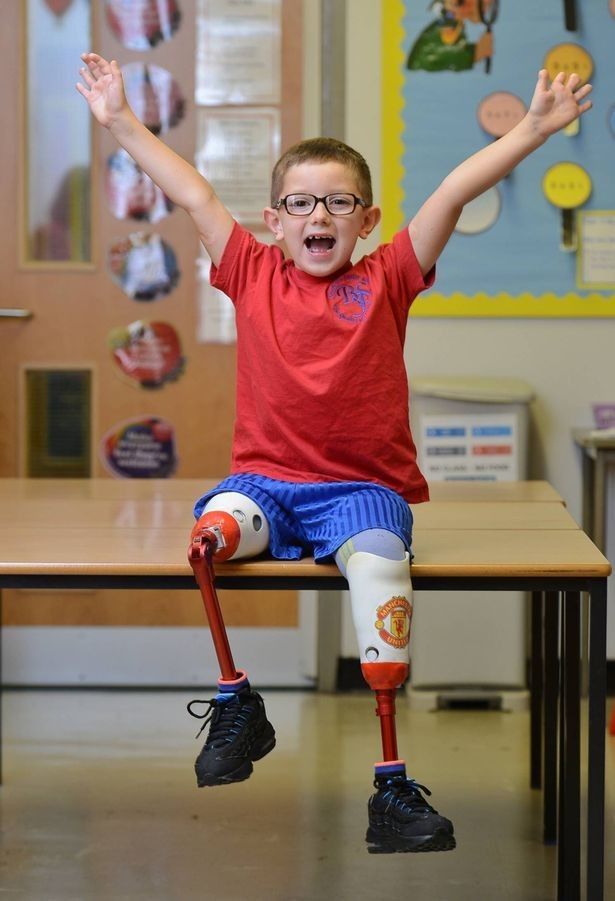
The challenges extend beyond walking. Everyday activities like climbing stairs, sitting down, standing for long periods, or carrying items require complex muscle coordination. At first, patients may struggle to control the prosthetic while performing these tasks, especially if they are using mechanical devices without advanced microprocessor joints. At Qudra orthotics & prosthetics Lab, patients are trained through progressive sessions designed to strengthen their muscles, improve balance, and teach proper weight distribution to prevent fatigue or falls.
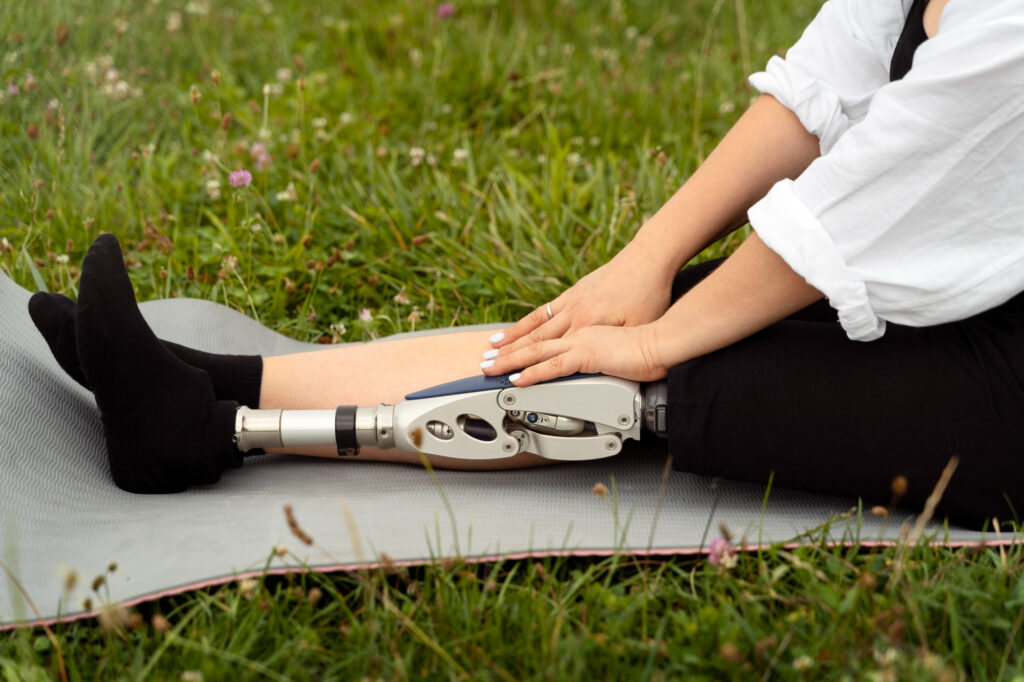
Another common motor challenge is gait deviation—a frequent issue caused by poor hip balance, weak residual-limb muscles, or improper prosthetic alignment. Gait deviations can lead to chronic pain in the back, knee, or pelvis due to continuous compensatory movements. This is why qudra includes a specialized team equipped with modern gait-analysis tools to detect abnormalities and retrain the patient to walk with a safe, stable, and natural pattern.
Over time, many prosthetic users experience muscle fatigue, particularly in the back and hip, as these areas take on extra workload to compensate for the missing limb. This can become a daily barrier and may prevent patients from engaging in desired activities.Qudra orthotics & prosthetics Lab rehabilitation program focuses on strengthening core muscles, which play a crucial role in balance and injury prevention.
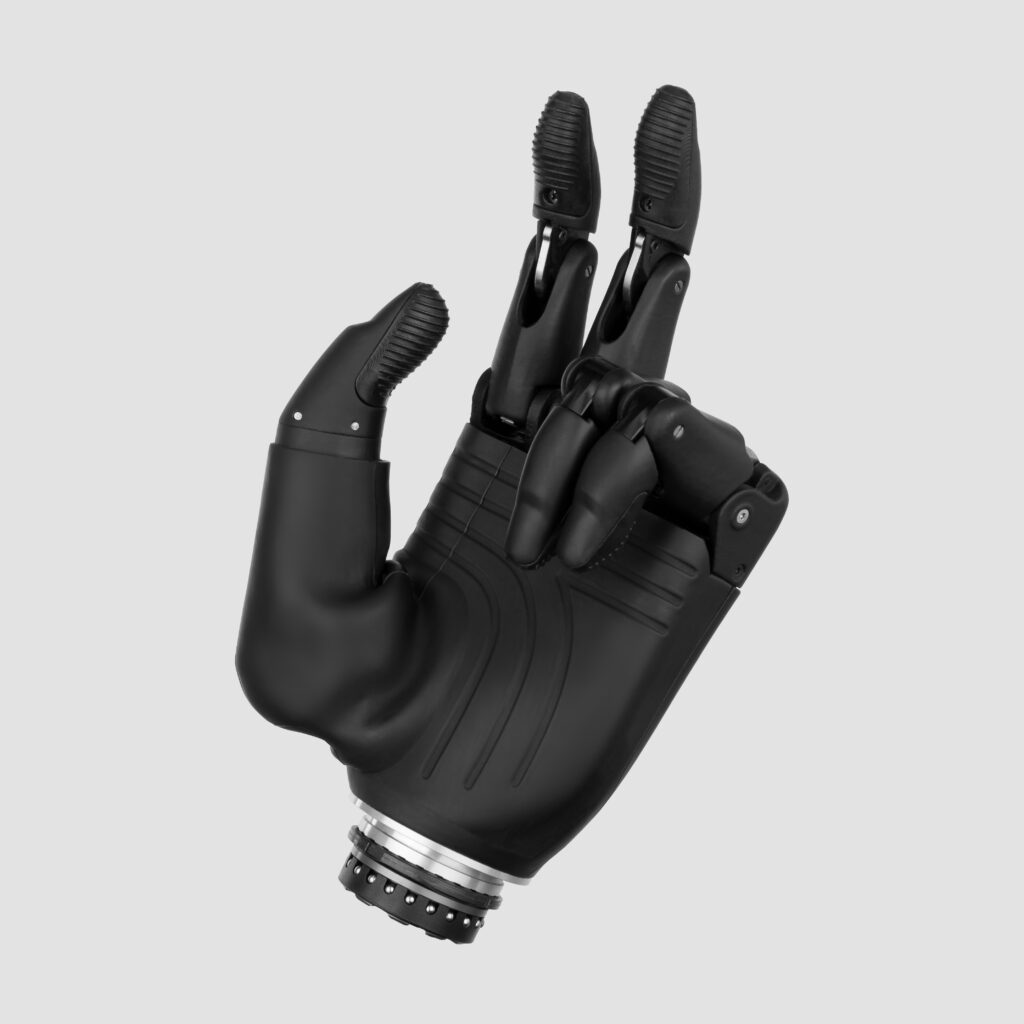
Prosthetic-related adaptation also presents its own challenges. Although made of advanced materials, prosthetic limbs are still heavier or less flexible than natural limbs, causing initial imbalance. In other cases, patients may struggle to control components such as artificial knees or elbows—especially in advanced smart prosthetics that rely on sensors and microprocessors. Here, the continuous training provided at Qudra orthotics & prosthetics Lab becomes essential, helping patients understand the device and adapt to its functions step by step.
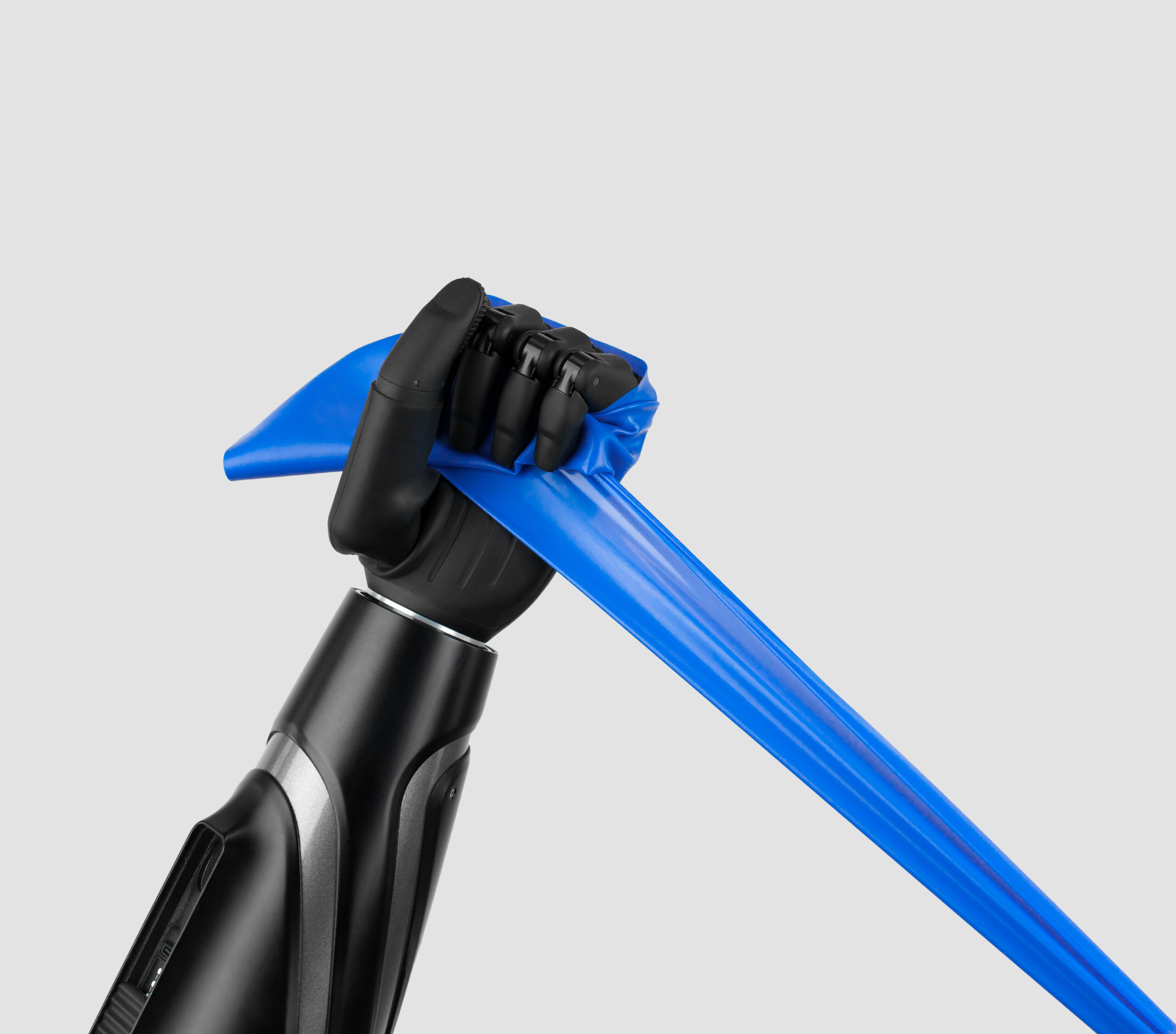
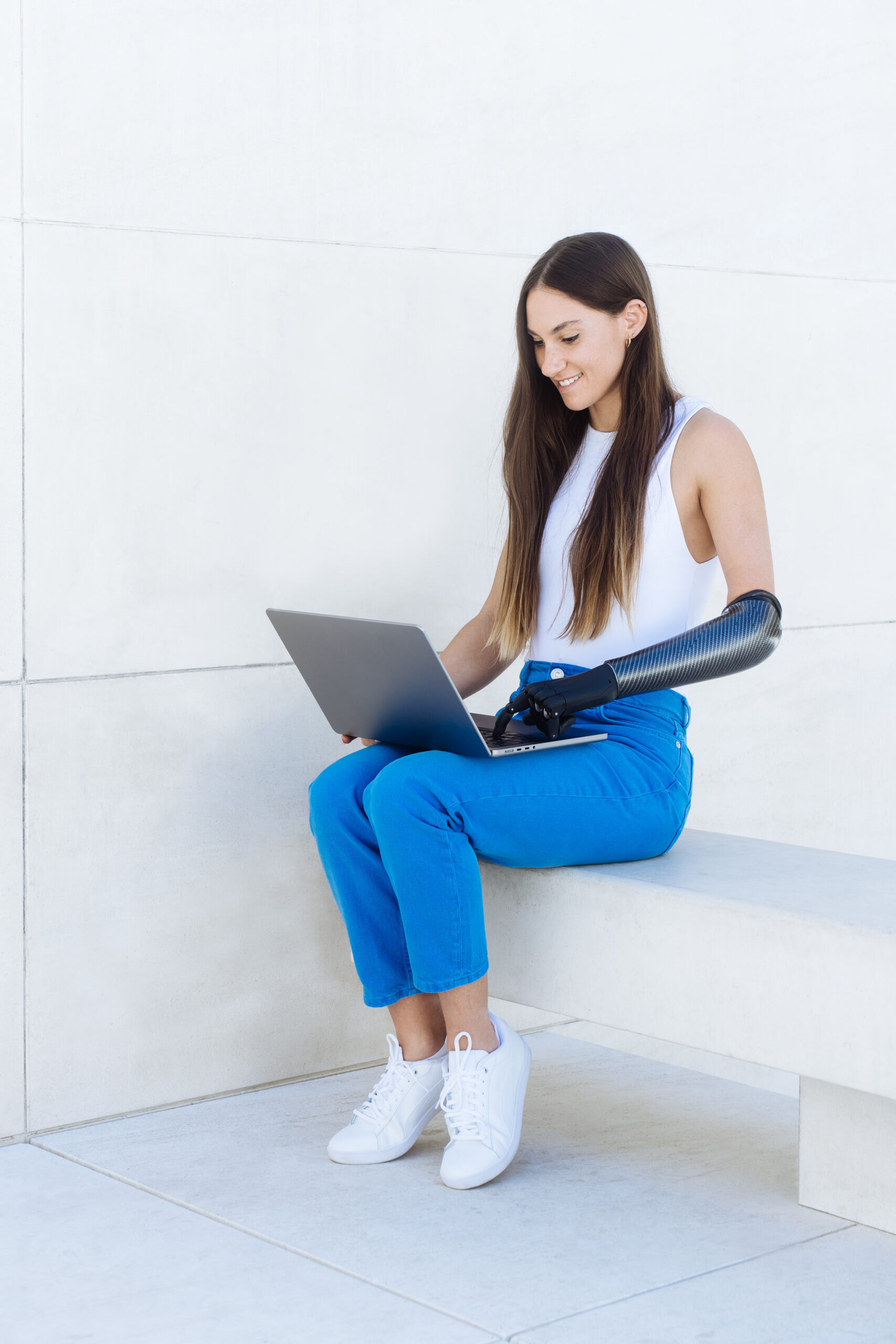
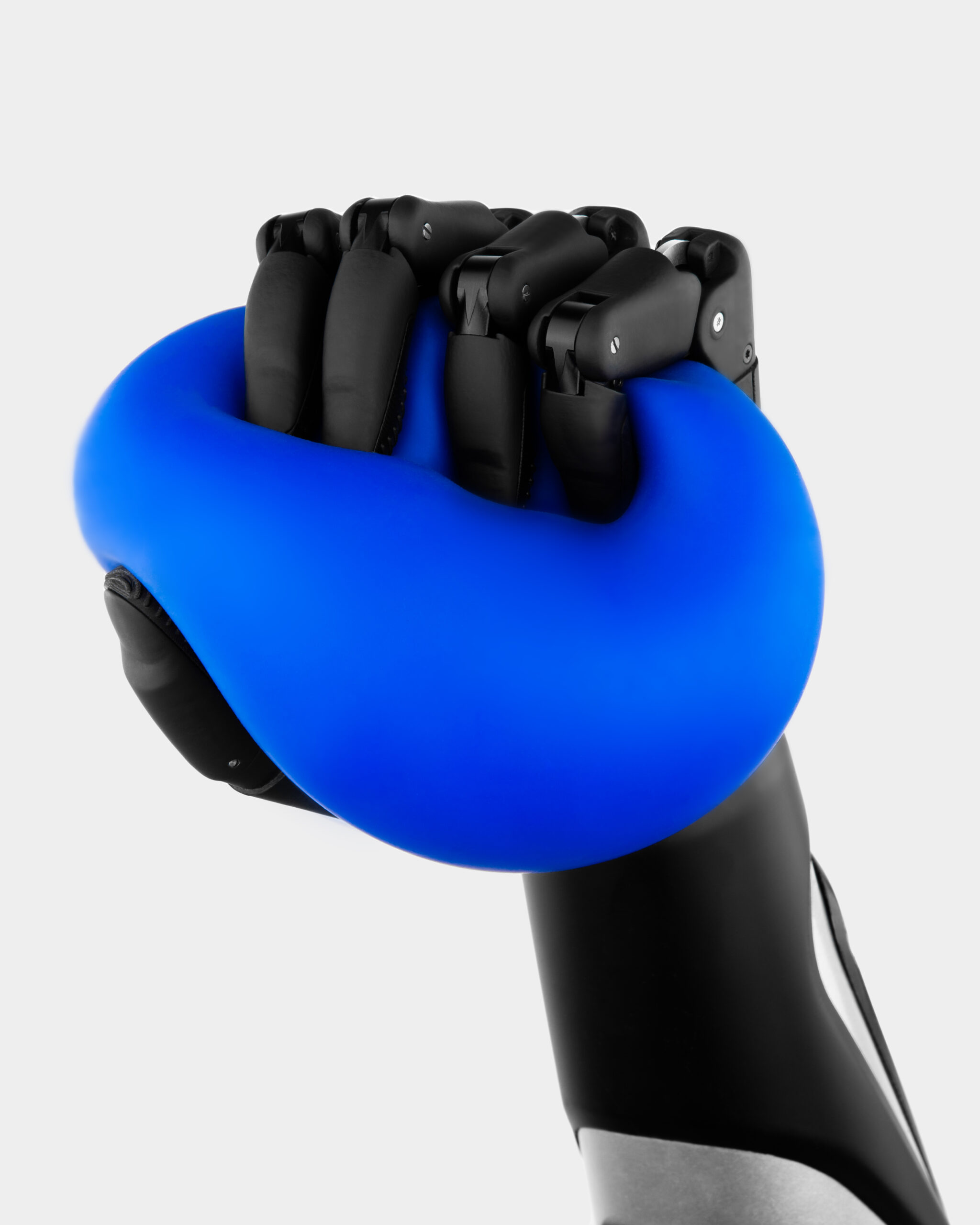
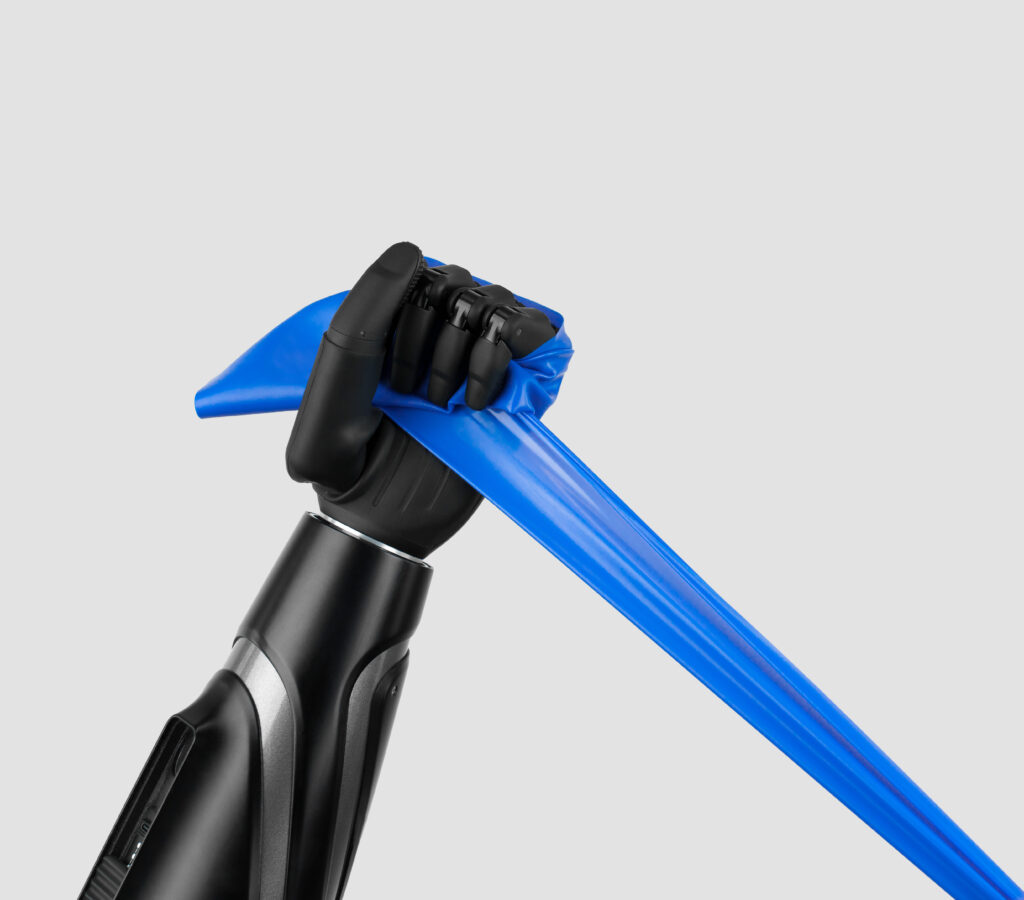
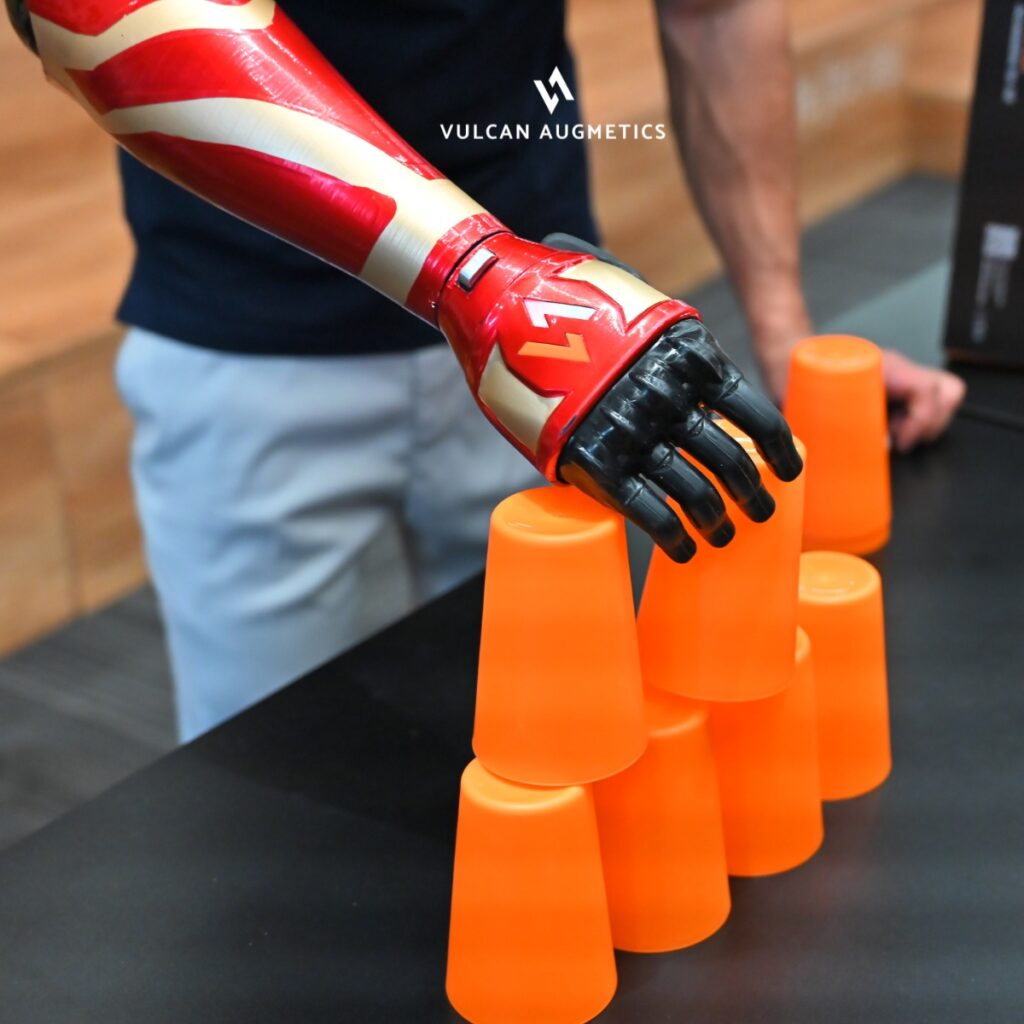
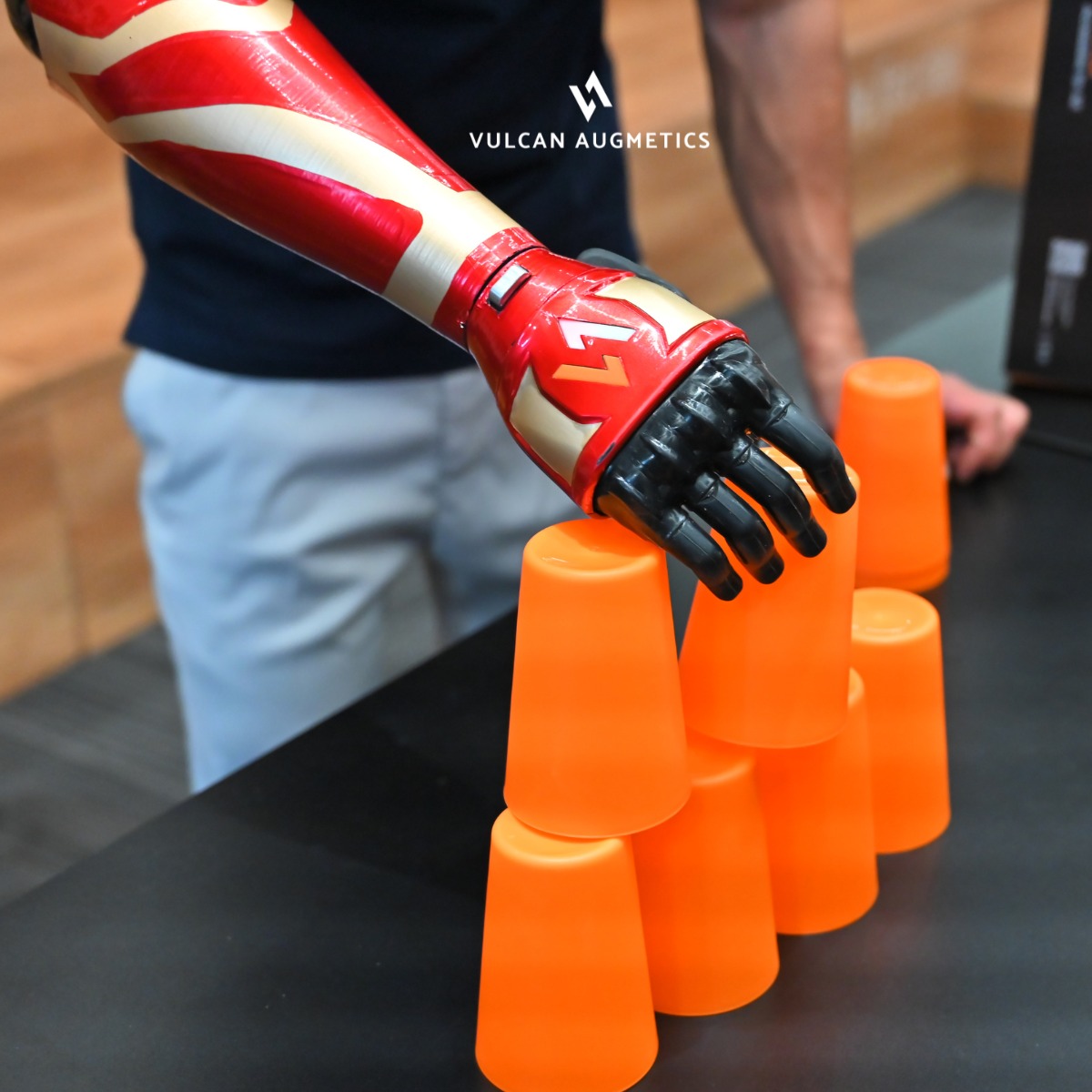
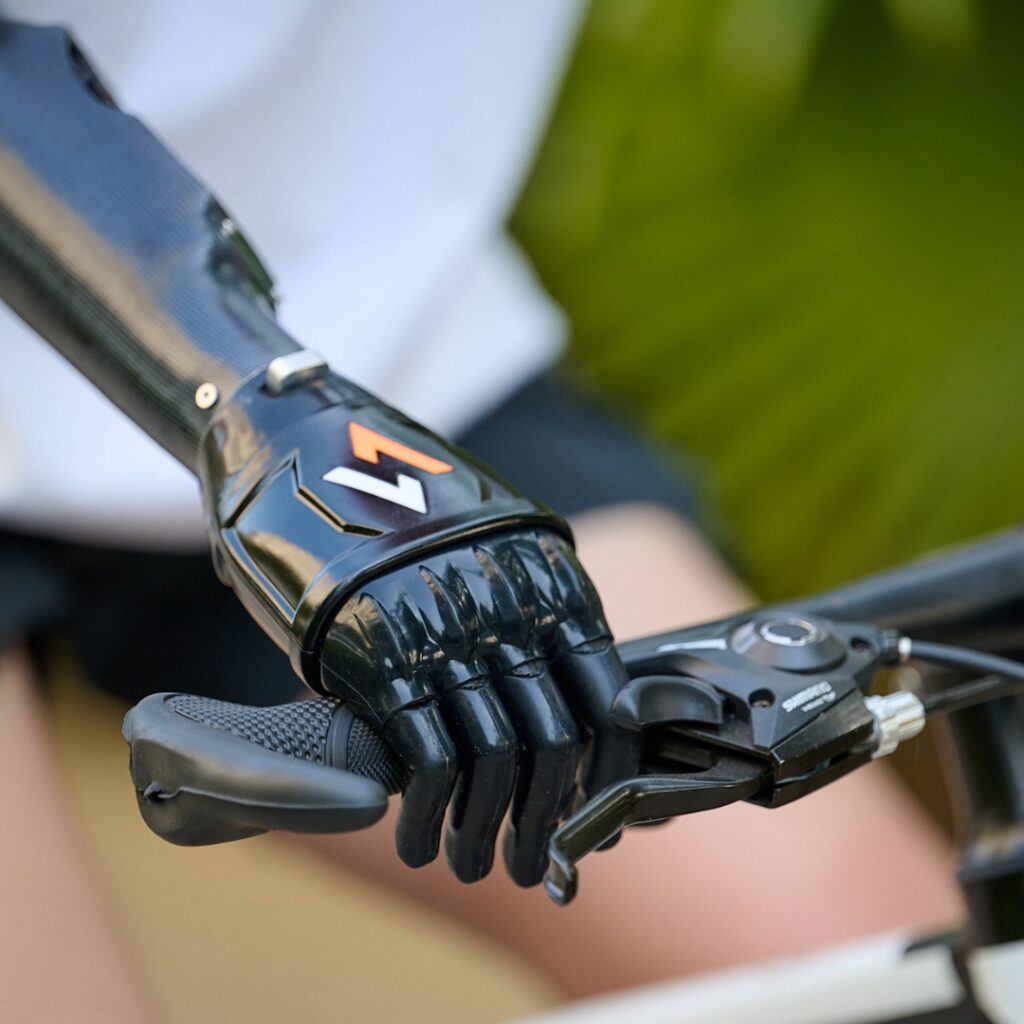
Beyond mobility challenges, many functional difficulties arise in daily life—dressing, using kitchen tools, writing, or handling objects. These tasks, though simple, can become complex for users of upper-limb prosthetics.qudra offers occupational and functional rehabilitation programs designed to help patients regain practical skills using assistive tools and techniques that improve coordination between the prosthetic and the remaining muscles.
Functional challenges also include pain caused by overloading the healthy limb. Some patients instinctively shift extra weight onto their intact side to compensate for the prosthetic, leading to joint issues in the knee or hip. This is very common when proper training is lacking. Qudra orthotics & prosthetics Lab teaches patients how to distribute weight evenly to protect their joints and avoid long-term complications.
Another essential aspect is the need for regular prosthetic maintenance. Over time, components may wear down, or the residual limb may change in shape, causing discomfort or instability. These issues can hinder mobility and lead to significant pain. Qudra orthotics & prosthetics Lab provides continuous follow-up and adjustment services to ensure that the prosthetic remains comfortable and functional as the patient’s body changes.
Despite progress, some patients may experience psychological barriers—fear of movement, anxiety after a fall, or lack of confidence in the prosthetic. These feelings can slow rehabilitation. Qudra orthotics & prosthetics Lab incorporates psychological support to help patients overcome fear, rebuild trust in their abilities, and return to movement at their own pace.
Ultimately, the most important factor is consistency. Mobility rehabilitation is not a single session or a short-term plan—it is a long-term journey requiring ongoing training, evaluation, and adjustments. At Qudra orthotics & prosthetics Lab , comprehensive support continues from the moment the prosthetic is fitted until the patient reaches the highest possible level of independence.
In conclusion, motor and functional challenges faced by prosthetic users are not obstacles that prevent them from rebuilding their lives—they are milestones that require patience, training, and professional support. With the expertise of leading centers like Qudra orthotics & prosthetics Lab, amputees today have access to integrated rehabilitation programs that help them move confidently and, more importantly, reclaim their independence and control over their lives.
Your journey toward confident movement deserves expert guidance.
With integrated rehabilitation, precise prosthetic adjustment, and continuous support, better mobility and stability are within reach.
Contact Qudra Orthotics & Prosthetics Lab today to schedule a comprehensive mobility and rehabilitation assessment.