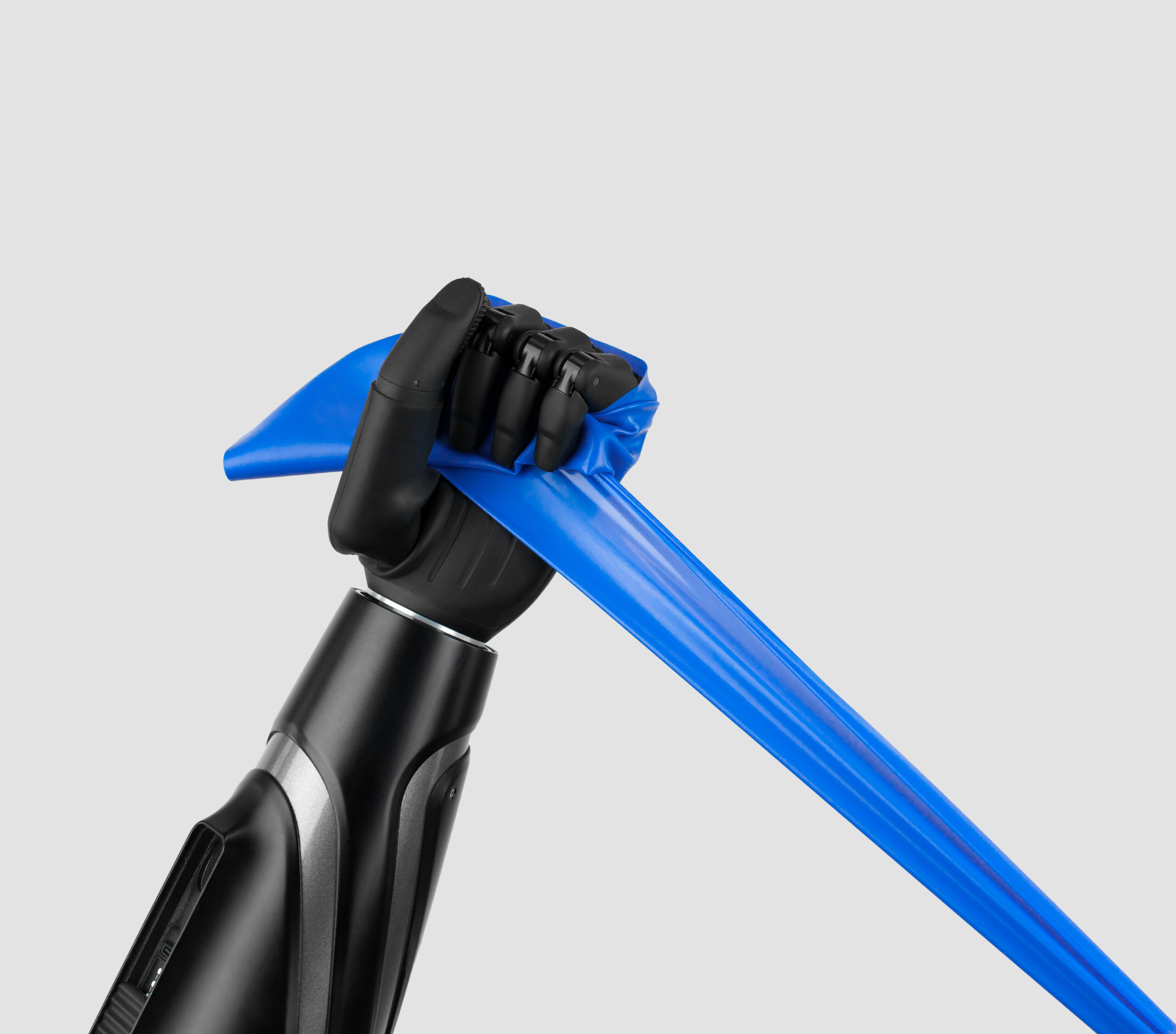
A Rehabilitation Journey That Requires Precision, Wise Decisions, and Continuous Care
Using a prosthetic limb marks a significant turning point in the life of an amputee. It is not merely a device that replaces a missing body part—it is a tool that restores movement, independence, and confidence. However, the success of this journey does not depend solely on the quality of the prosthetic itself. It is deeply tied to how the device is used, the user’s daily care routine, and the commitment to ongoing follow-up. Even a seemingly minor mistake can lead to negative consequences such as pain, skin breakdown, limited mobility, or reduced prosthetic function.
This is exactly where specialized centers—such as Qudra orthotics & prosthetics Lab—play a pivotal role. Their mission goes far beyond manufacturing and fitting prosthetic limbs; they provide a complete system of assessment, follow-up, and rehabilitation to ensure the safest and most efficient experience for every user.
This article highlights the most common mistakes prosthetic users make, explains the impact of each mistake, and provides practical, professional strategies to avoid them—ensuring a safer and more successful journey with the prosthesis.
1. Neglecting Daily Skin and Tissue Care
The First Line of Defense—and the Foundation of Prosthetic Success
The skin is one of the most sensitive factors in prosthetic use because it absorbs pressure and friction throughout the day. Despite this, many users overlook the importance of daily cleaning and moisturizing, which is one of the most common and harmful mistakes.
Impact of this mistake:
- Redness and skin irritation
- Increased friction inside the socket
- Painful skin wounds that may prevent prosthetic use for days or weeks
- Emotional distress due to persistent discomfort
How to avoid this mistake:
At Qudra orthotics & prosthetics Lab, patients are trained to follow essential daily routines, including:
- Washing the residual limb with lukewarm water and mild, fragrance-free soap
- Thoroughly drying the skin before wearing the prosthesis
- Applying a medical-grade moisturizer each evening
- Monitoring for any unusual changes in color, temperature, or sensitivity
Proper skin care is not optional—it is a critical factor that prevents a long chain of complications.
2. Using an Ill-Fitting Socket or Ignoring Signs of Poor Fit
The Socket: The Heart of the Prosthetic System
The socket is the component that connects the body to the prosthesis. Any flaw in its design or fit directly affects comfort and mobility. Unfortunately, many patients accept early discomfort as “normal” and continue using an unsuitable socket.
Impact of this mistake:
- Persistent pain in the residual limb
- Skin breakdown and wounds
- Instability during walking
- Overloading healthy joints such as the knee, pelvis, and spine
How to avoid this mistake:
Qudra orthotics & prosthetics Lab uses advanced measurement techniques to ensure each socket fits the limb precisely. Users are advised to watch for red-flag symptoms such as:
- Increasing pain during movement
- Repeated skin abrasions
- A feeling that the prosthesis is loose or unstable
- Excessive pressure on a single point
These signs should never be ignored. An immediate reassessment is essential.
3. Trying to Use the Prosthesis Fully Without Rehabilitation
The Device Alone Is Not Enough—The Body Must Be Trained to Use It
A common mistake is attempting to walk or function normally with the prosthesis from day one, without professional training. Movement with a prosthesis is fundamentally different from natural movement and requires structured rehabilitation.
Impact of this mistake:
- Muscle fatigue
- Poor balance
- Lower back and hip pain
- Development of abnormal gait patterns that may become difficult to correct
At Qudra orthotics & prosthetics Lab, rehabilitation programs are designed to progress gradually and include:
- Training on proper standing posture
- Learning safe weight shifting while walking
- Strengthening key supporting muscles such as the hip and core
- Improving balance using specialized equipment
Rehabilitation is not optional—it is essential for long-term success.
4. Neglecting Prosthesis and Liner Cleaning
The Device Itself Needs Care
Many users focus only on caring for the residual limb and forget the prosthesis. Lack of cleaning leads to sweat buildup, bacteria, and unpleasant odors.
Impact of this mistake:
- Skin infections
- Increased friction
- Faster deterioration of prosthetic components
Qudra orthotics & prosthetics Lab recommends:
- Cleaning the liner daily with mild soap and water
- Regularly disinfecting the socket
- Inspecting the prosthesis for cracks or worn parts
- Replacing components before they cause functional issues

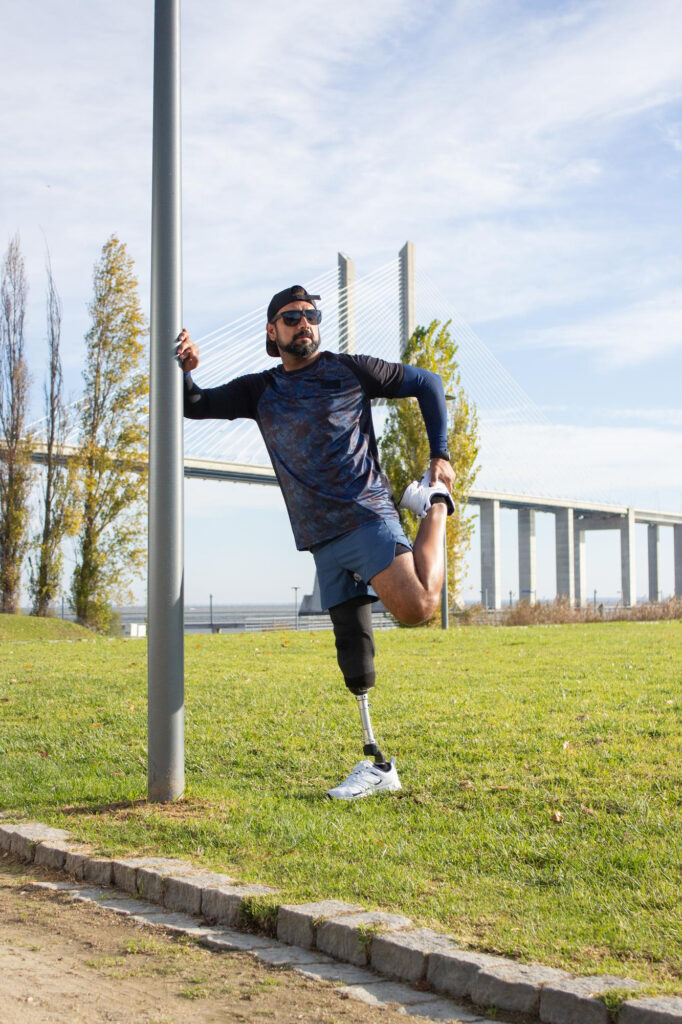
5. Ignoring Natural Changes in Residual Limb Volume
The Body Changes—The Socket Must Adjust
After amputation, the residual limb gradually changes due to:
- Decreased swelling
- Loss of muscle volume
- Changes in fat distribution
The common mistake is continuing to use the same socket despite these natural changes.
Impact of this mistake:
- Excessive friction
- Instability
- Skin wounds and inflammation
- Severe pain that prevents prosthetic use
At Qudra orthotics & prosthetics Lab, regular follow-ups help detect these changes and adjust or redesign the socket when needed.
6. Carrying Excess Weight or Using the Prosthesis Improperly
Incorrect Use Leads to Damage and Injury
Some users engage in activities that exceed the prosthesis’s intended capabilities, such as:
- Lifting heavy objects
- Running or jumping without proper components
- Walking long distances without rest
Impact of this mistake:
- Mechanical damage to the prosthesis
- Muscle strain
- Gait abnormalities
- Joint stress on the healthy limb
Qudra orthotics & prosthetics Lab provides customized usage guidelines based on each prosthesis type and patient condition.
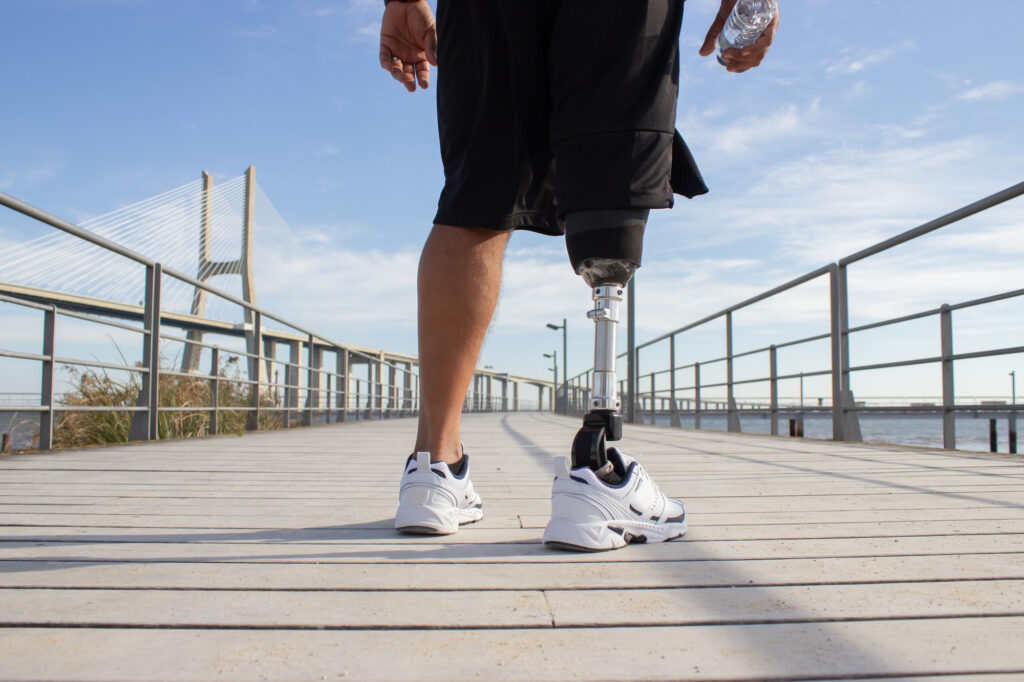
7. Skipping Follow-Up Appointments and Routine Assessments
Follow-Up Is a Safety Requirement—Not a Luxury
Many users stop visiting their prosthetist after receiving the device, assuming no further adjustments are needed. In reality, follow-ups are crucial for safety and long-term comfort.
Importance of follow-up at Qudra orthotics & prosthetics Lab:
- Early detection of skin problems
- Socket or liner adjustments
- Gait evaluation and correction
- Assessing the condition of prosthetic componentsIgnoring follow-up can lead to serious long-term complications.

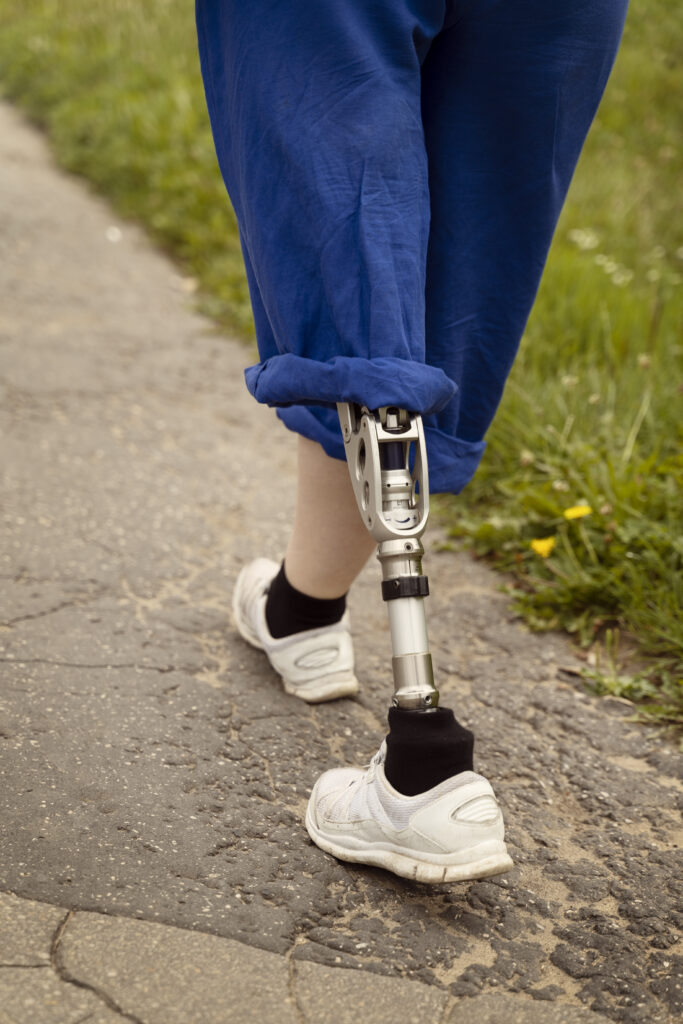
8. Lack of Proper Education About Prosthetic Use
Knowledge Is Half the Treatment
Patients who lack information about prosthetic care are more likely to make mistakes. This is why Qudra orthotics & prosthetics Lab offers extensive education sessions covering:
- Skin and liner care
- Proper donning and doffing techniques
- Managing sweat, allergies, and discomfort
- Maintaining balance and stability during movementThe more informed the patient is, the smoother and more successful their journey becomes.

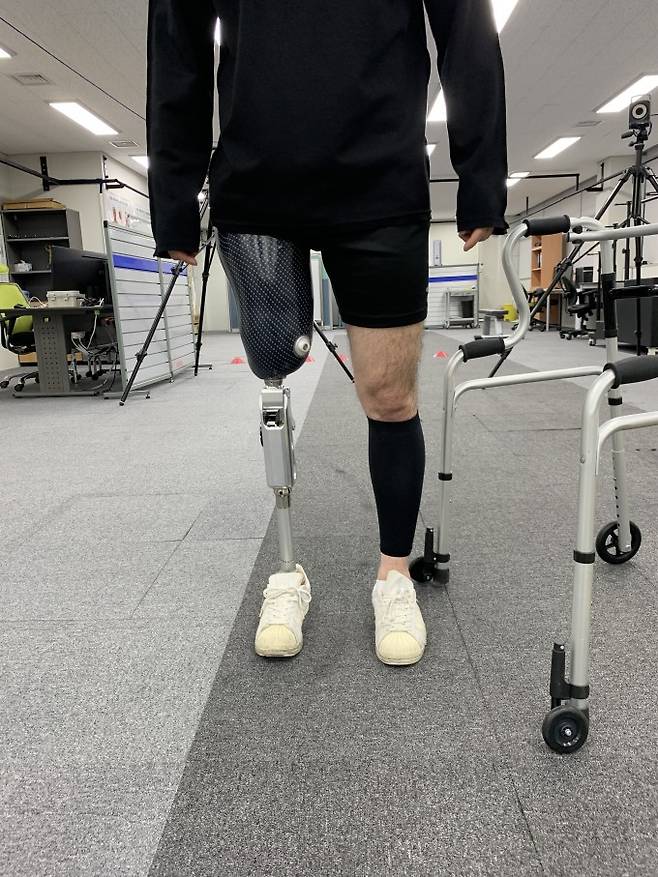
Conclusion:
The Prosthetic Journey Begins with Awareness and Ends with Independence
Common mistakes in prosthetic limb use are not minor details—they are factors that can determine the success or failure of the entire experience. Skin care, socket fit, training, maintenance, and follow-up form an interconnected system that requires attention and commitment.
Within this system, Qudra orthotics & prosthetics Lab plays a fundamental role in guiding patients, preventing complications, and providing practical, individualized solutions—ensuring a safe, comfortable, and effective prosthetic experience.
Understanding these mistakes and avoiding them is a powerful step toward regaining confident movement, improving quality of life, and returning to daily activities without pain or limitations.
A successful prosthetic journey starts with the right guidance.
Avoid common mistakes, protect your health, and get the most out of your prosthetic limb with expert assessment and continuous follow-up.
Book your comprehensive prosthetic evaluation today at Qudra Orthotics & Prosthetics Lab.