What Qudra orthotics & prosthetics Lab Offers
In the world of prosthetic limbs, the goal is no longer just restoring the patient’s basic function; it extends to enabling amputees to live a natural, active, and independent life. With the rapid advancement of medical technology, a new generation of smart prosthetics has emerged, offering comfort, high performance, and adaptation to the body’s natural movement. In this context, specialized centers like Qudra orthotics & prosthetics Lab play a vital role, combining engineering expertise, modern technology, and comprehensive rehabilitation support to ensure an integrated and effective experience.
1-From Traditional to Smart Prosthetics
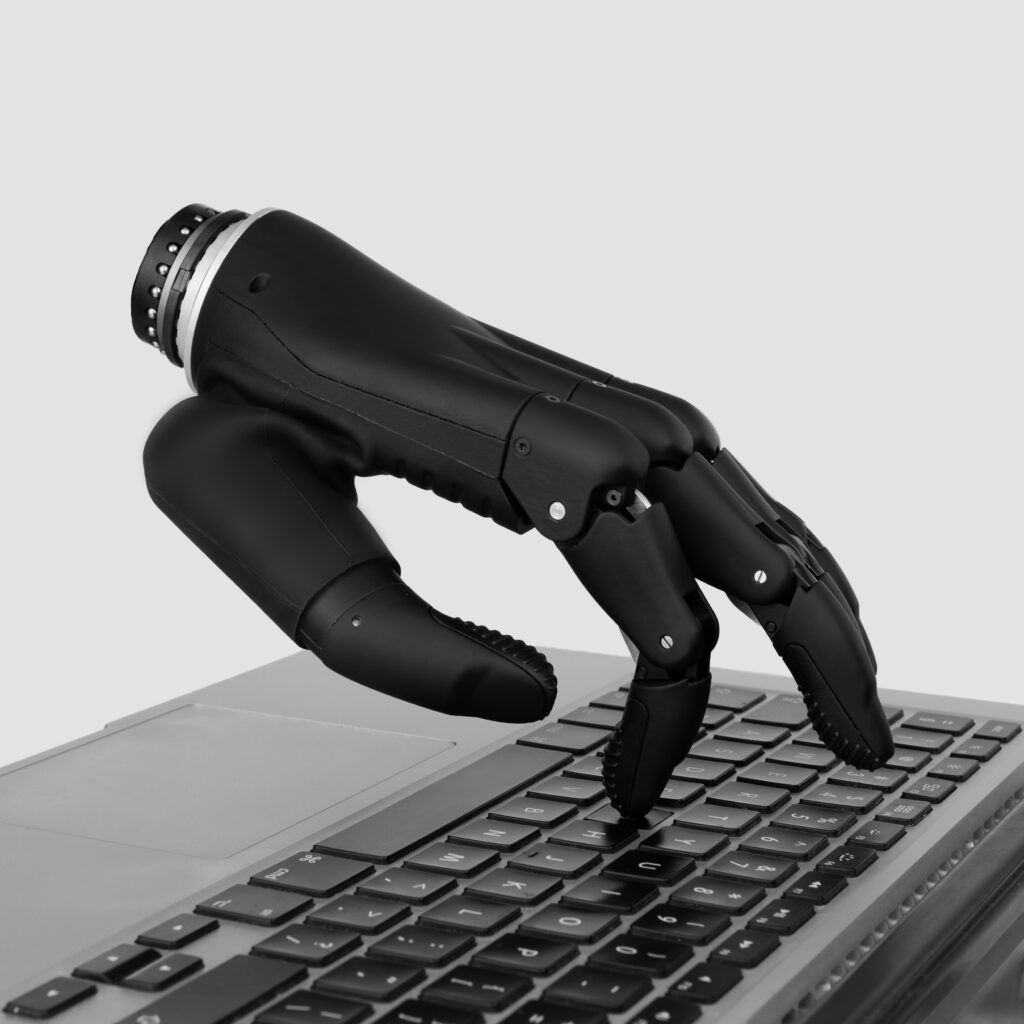
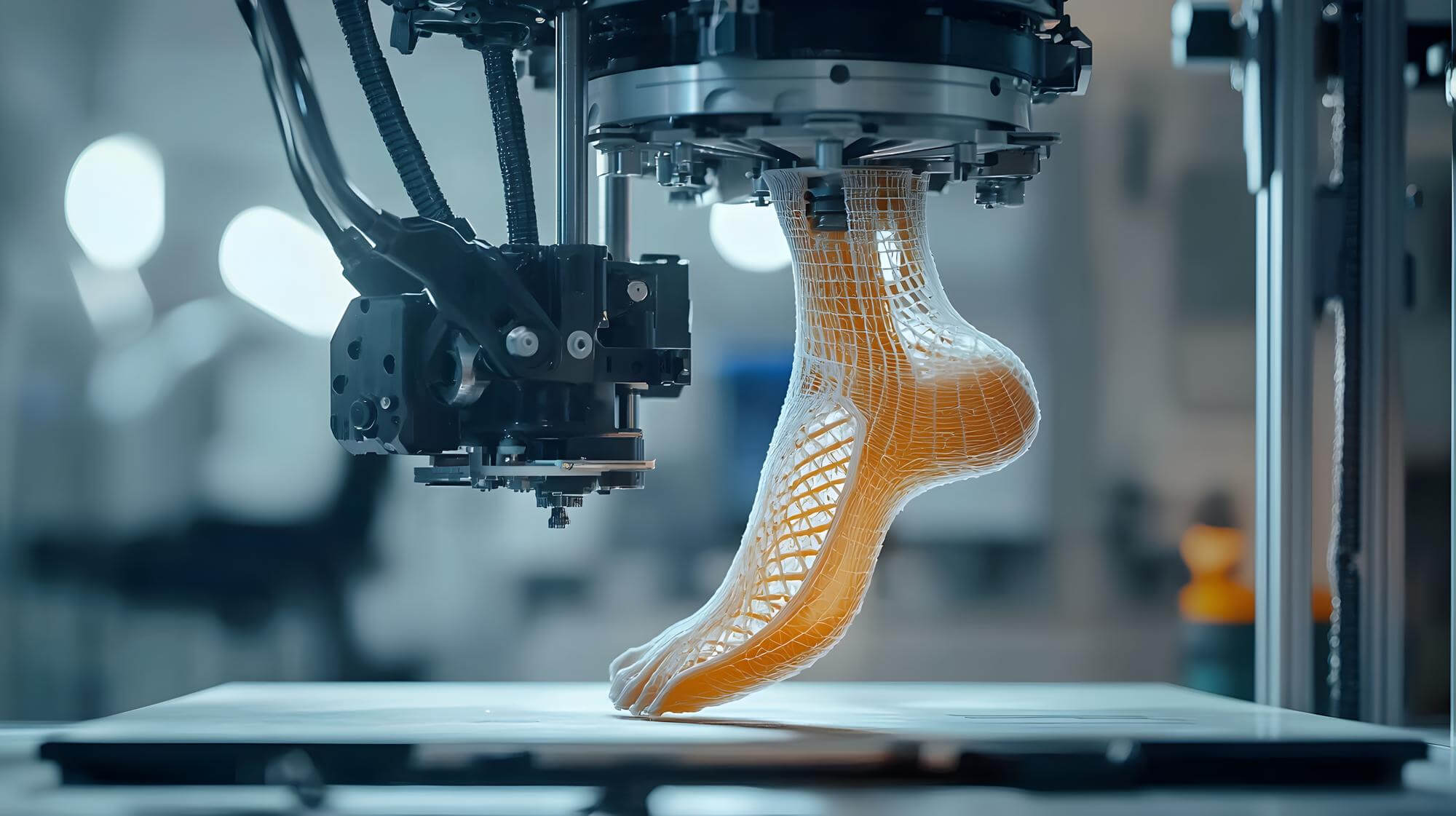
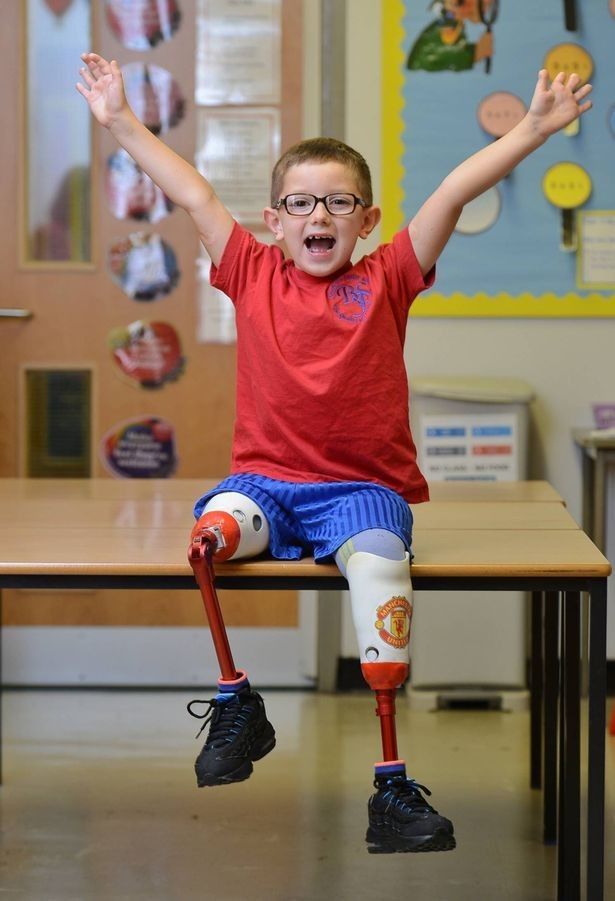
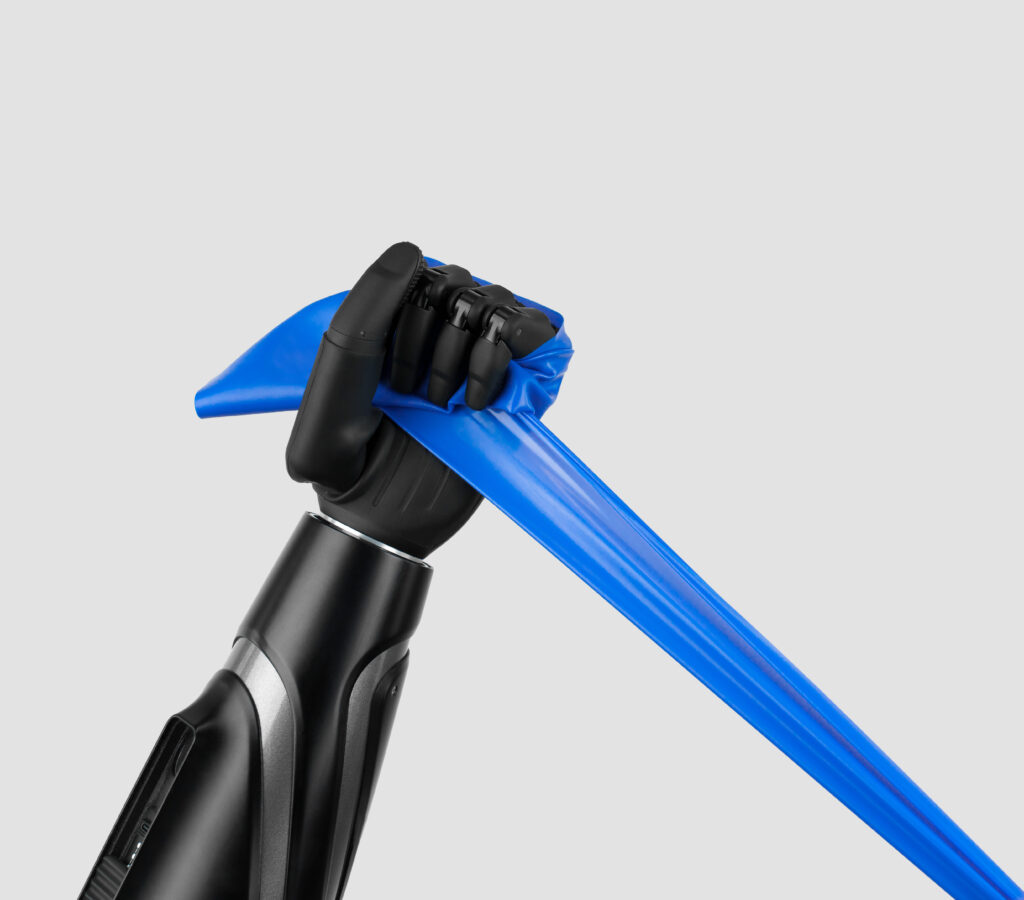
Traditional prosthetic limbs relied mainly on simple metal and wooden materials with limited mechanical joints. Today, smart prosthetics offer impressive capabilities, including electronic control, motion responsiveness, and precise adaptation to the user’s needs. The difference between traditional and modern prosthetics is not just in materials but in comfort, performance, and the ability to adapt to the surrounding environment.
At Qudra orthotics & prosthetics Lab, the focus is on evaluating each patient’s individual needs to determine the most suitable prosthetic type, whether it is a lower or upper limb, an advanced mechanical prosthetic, or a sensor-based electronic one. This assessment ensures that the prosthetic is comfortable, safe, and enhances natural movement.
2- Advanced Materials Used in Smart Prosthetics
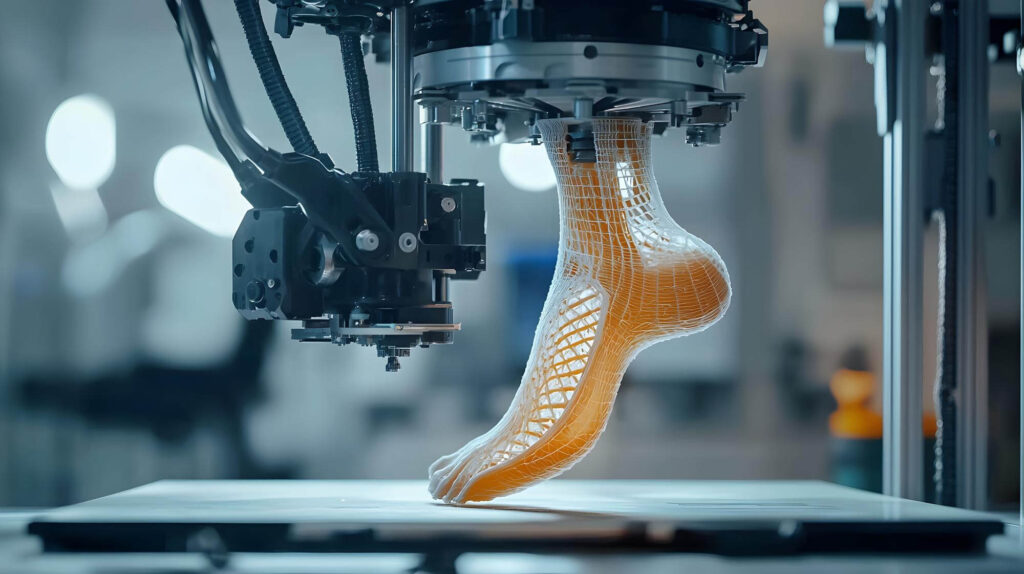
Modern technology has influenced not only joints but also the materials used in prosthetic manufacturing. Advanced materials include:
- Carbon fiber: lightweight and strong, reducing patient fatigue during movement.
- Medical-grade silicone and advanced tactile materials: provide a natural feel when touching objects and reduce socket friction.
- Lightweight metals like titanium: offer high strength while keeping weight low.
- Materials adaptable to heat and moisture: to maintain skin comfort and prevent sores.These materials combine durability, comfort, and smooth movement support. At Qudra Center, materials are carefully selected according to the patient’s condition, prosthetic type, and daily activity needs to ensure optimal performance.
3-Smart Prosthetics and Motion Control
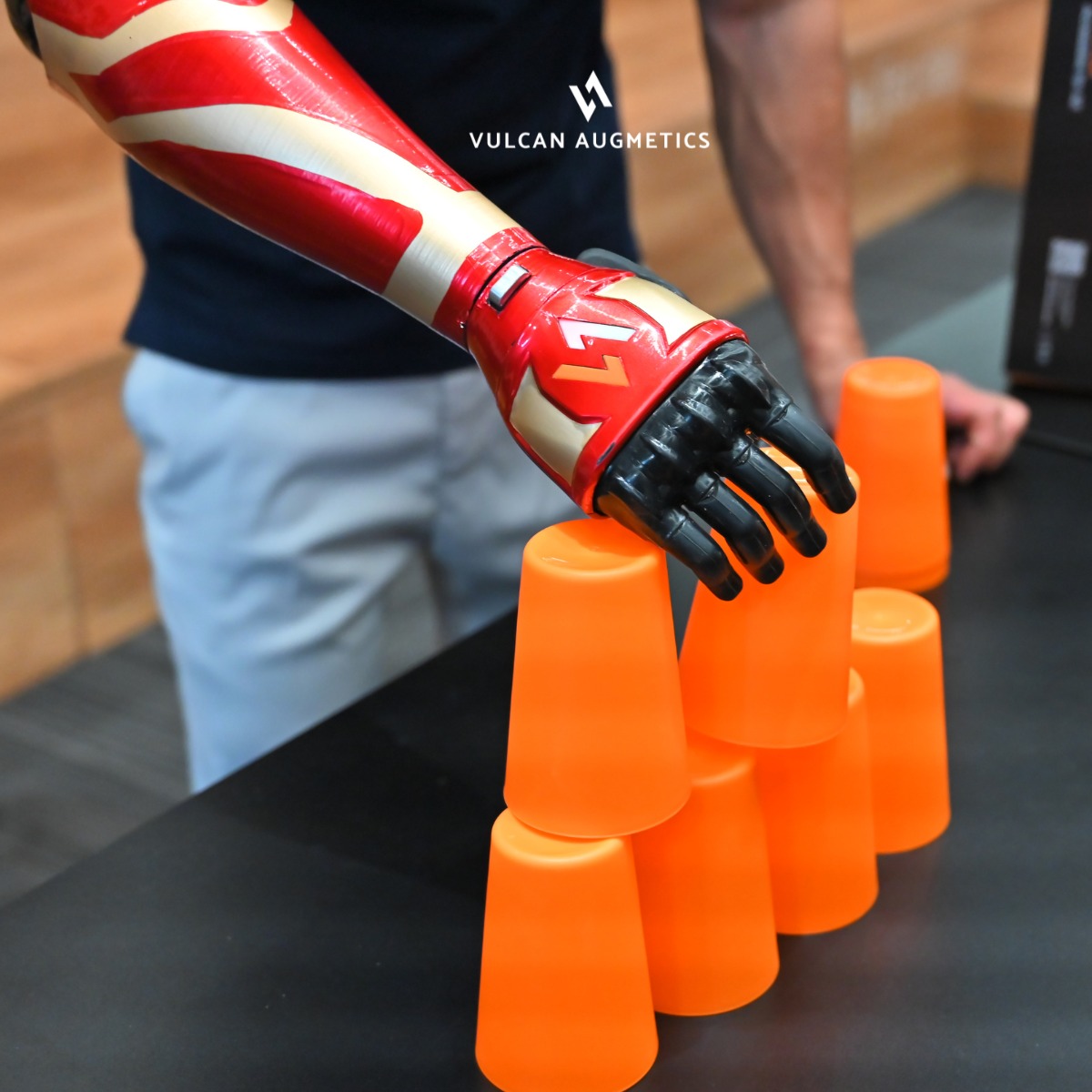
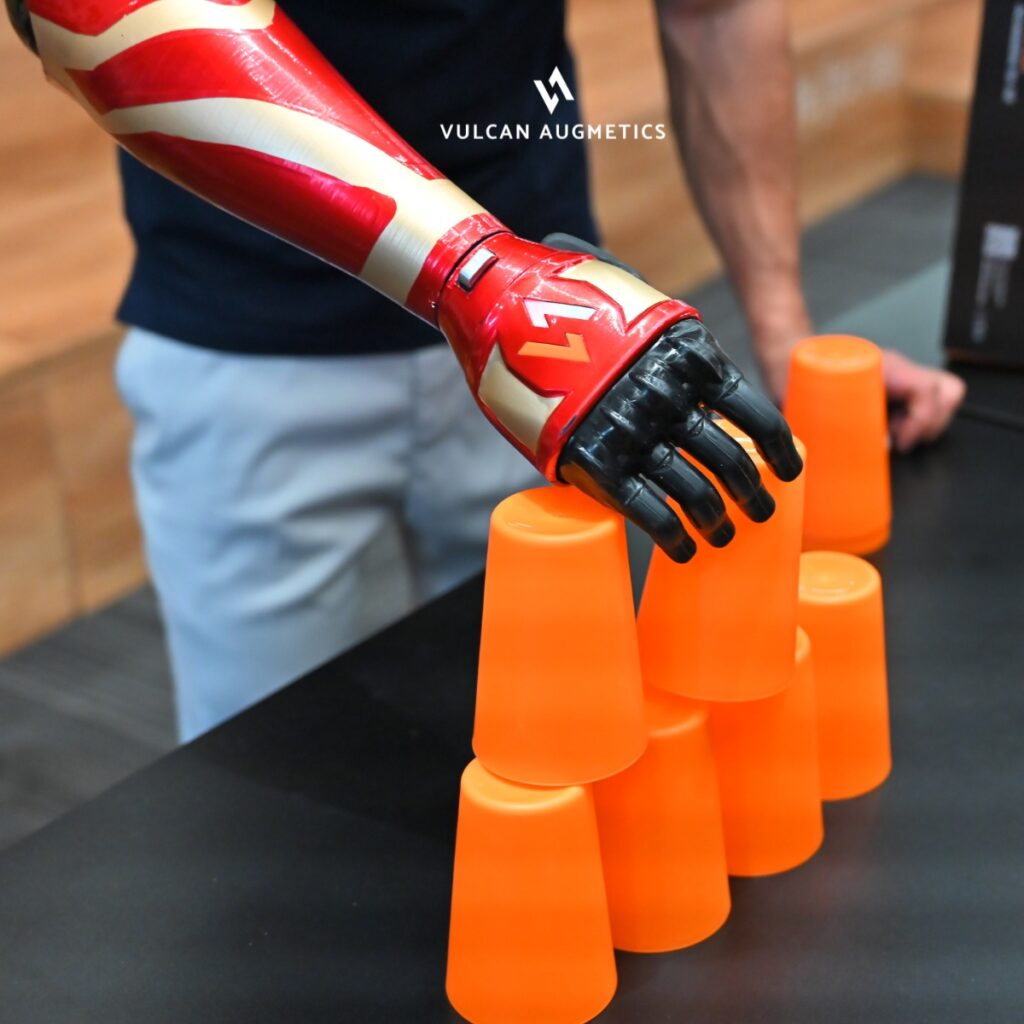
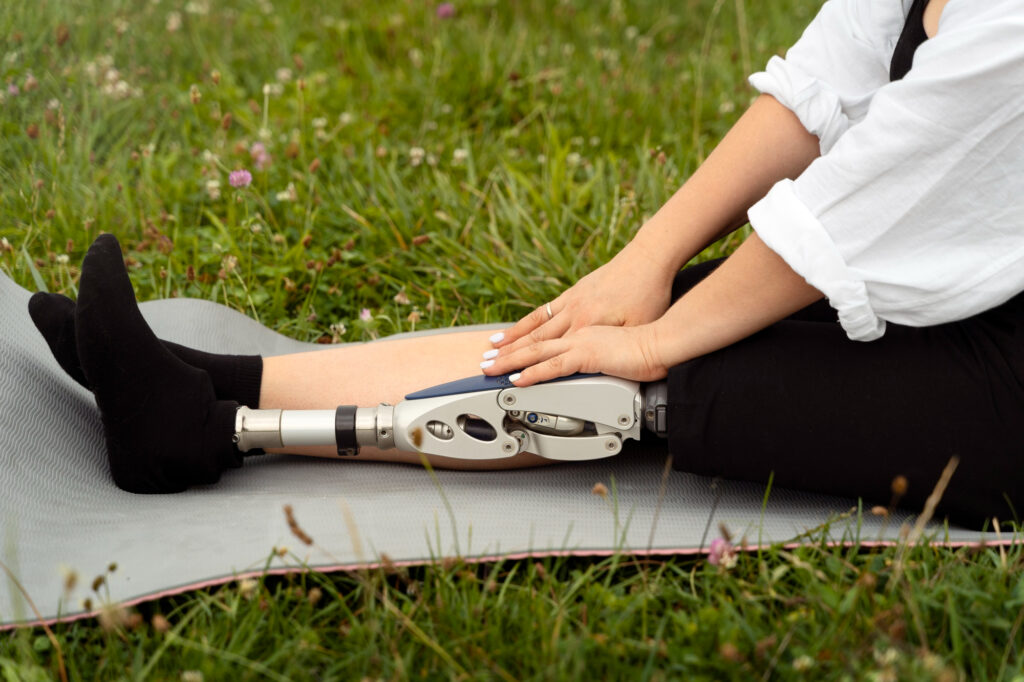
One of the most significant innovations in prosthetics is smart control. Modern prosthetics are equipped with sensors that can read body signals and automatically adjust movement. For instance, smart lower-limb prosthetics can:
- Adjust force during walking or running.
- Adapt to slopes or stair climbing.
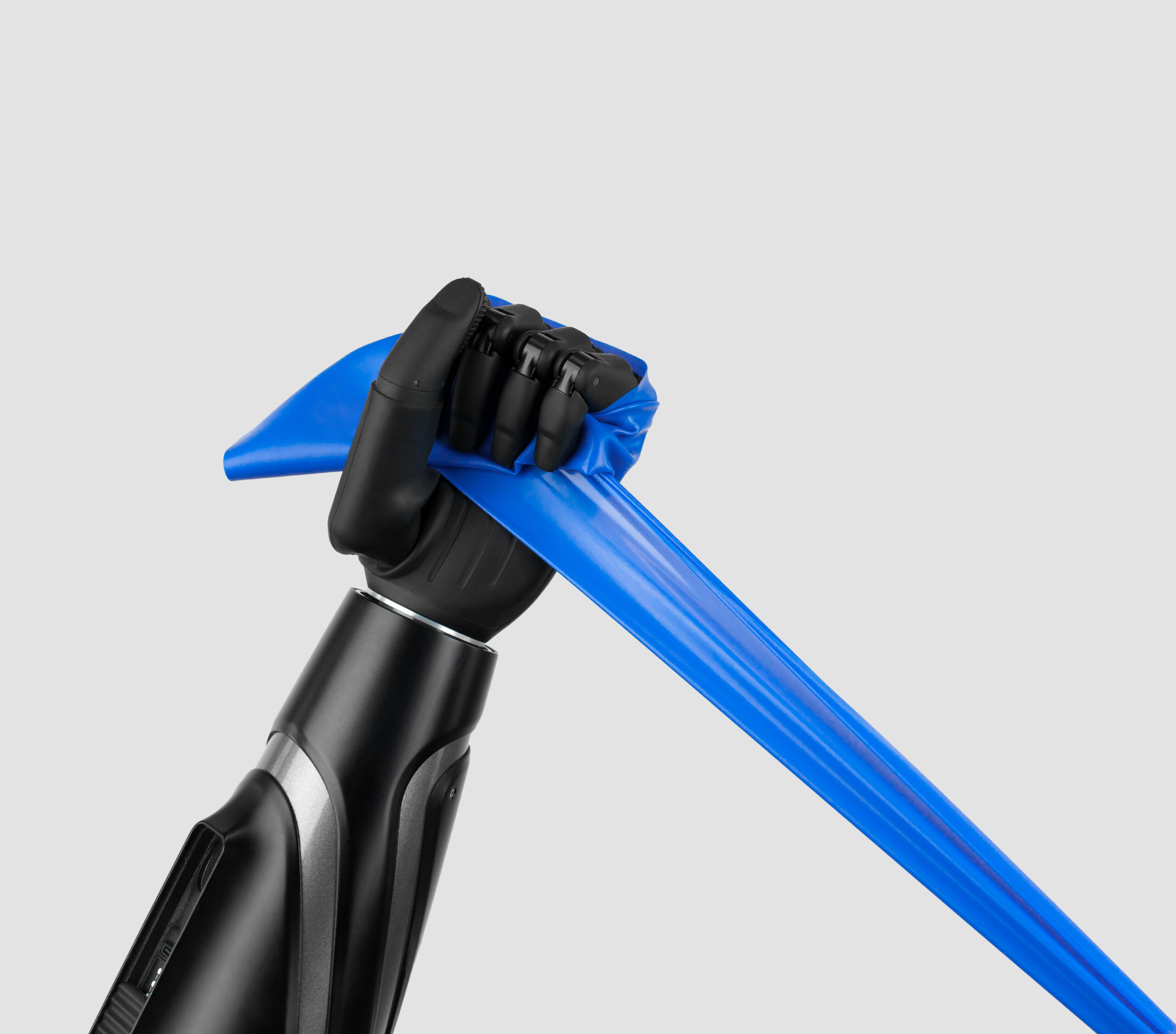
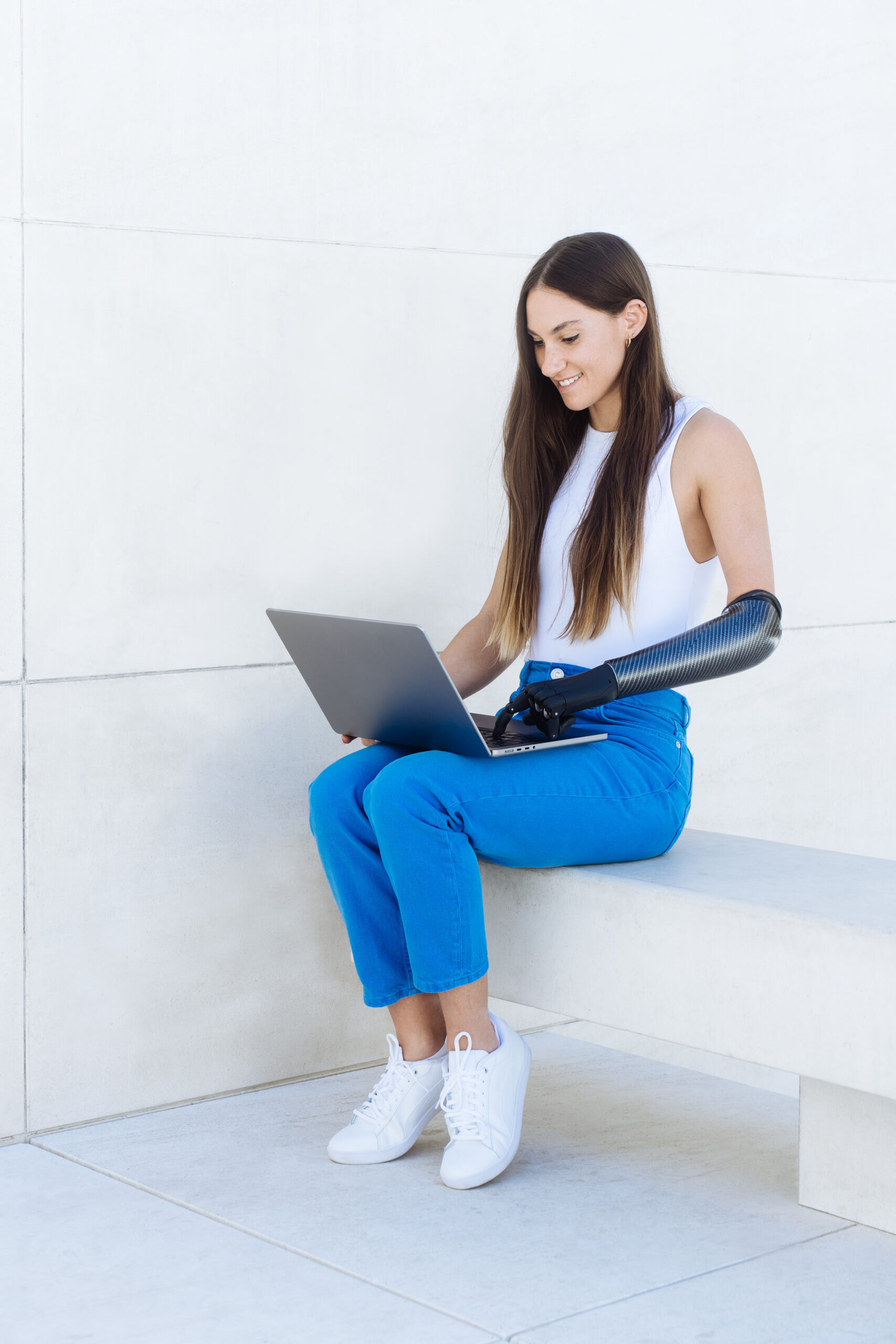
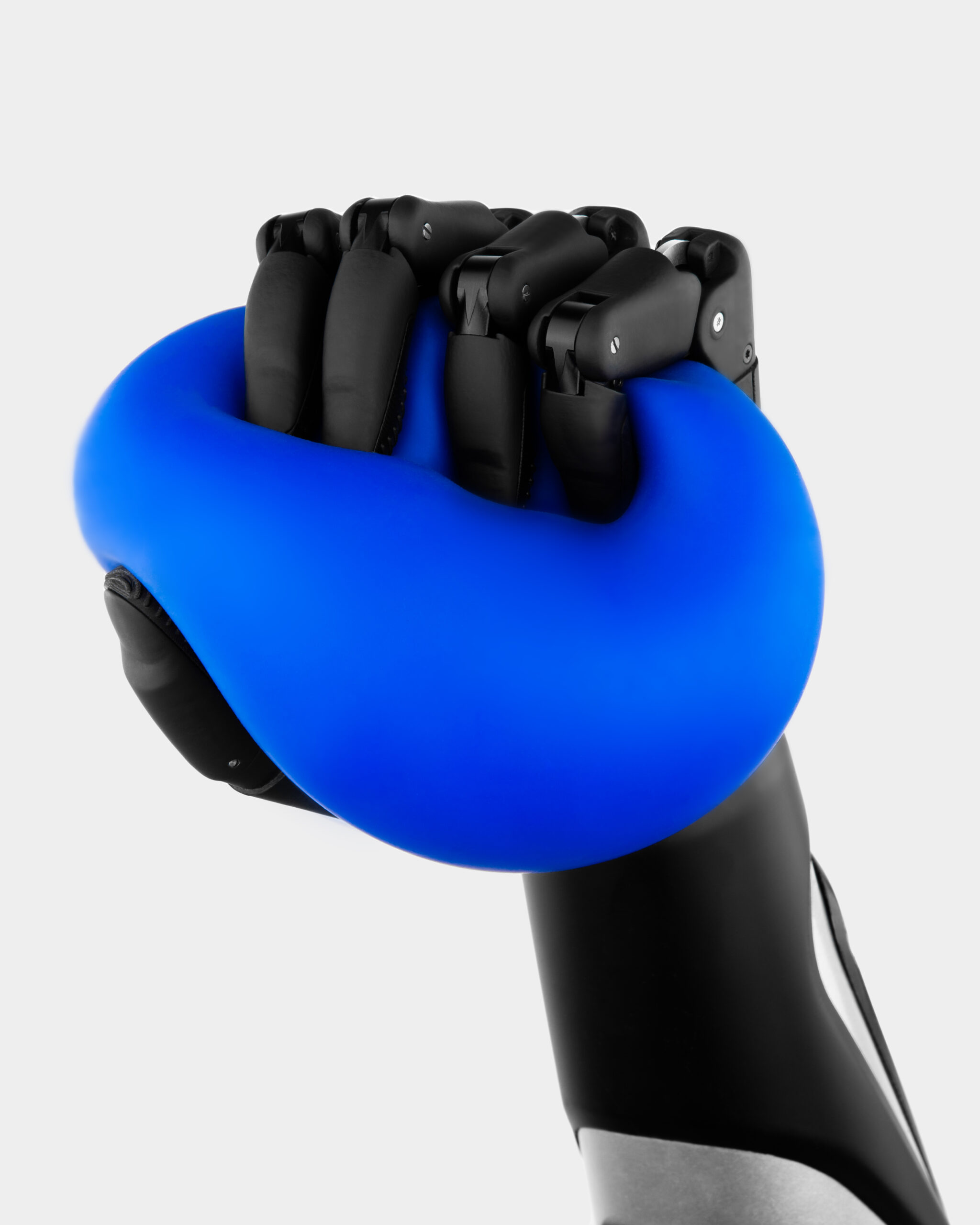
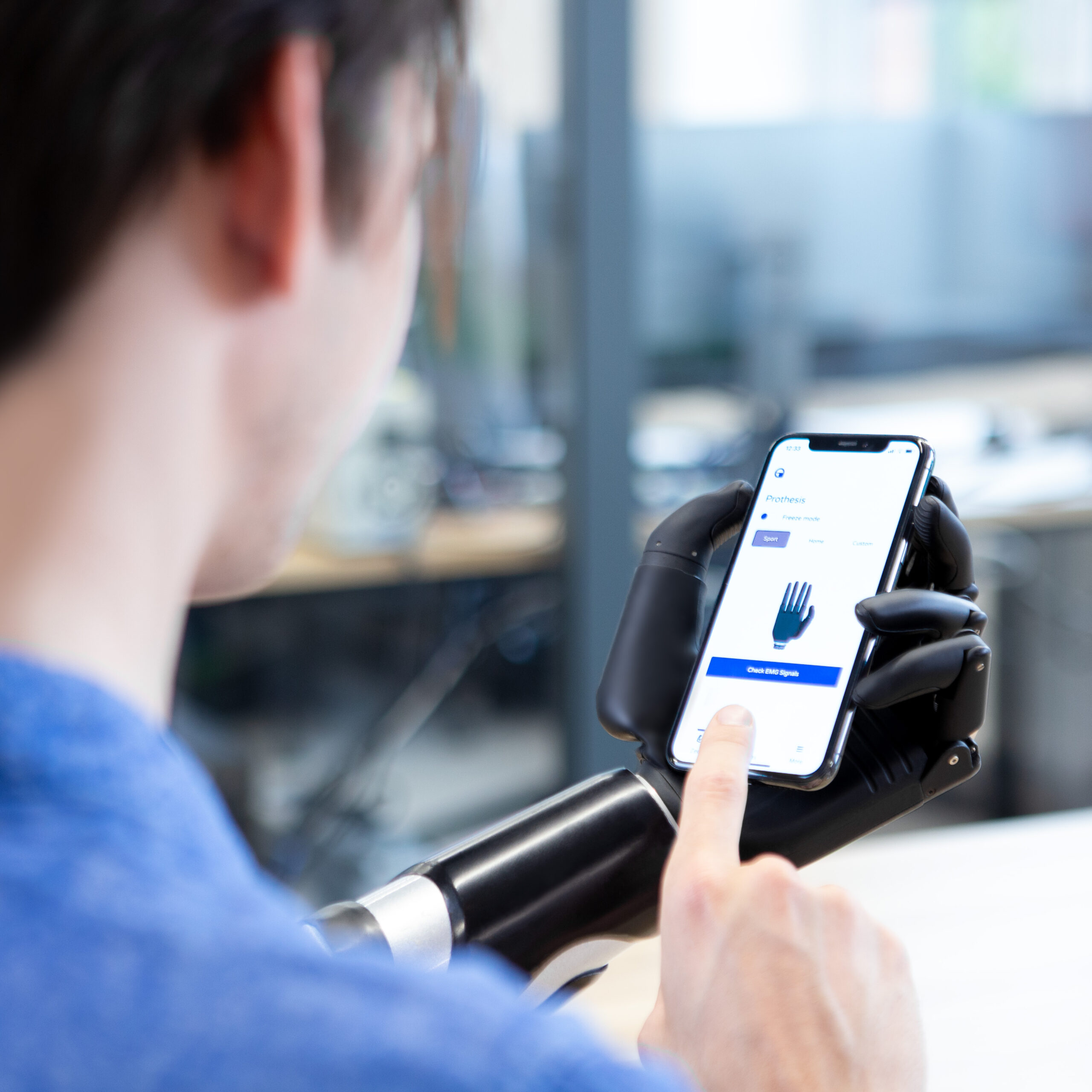
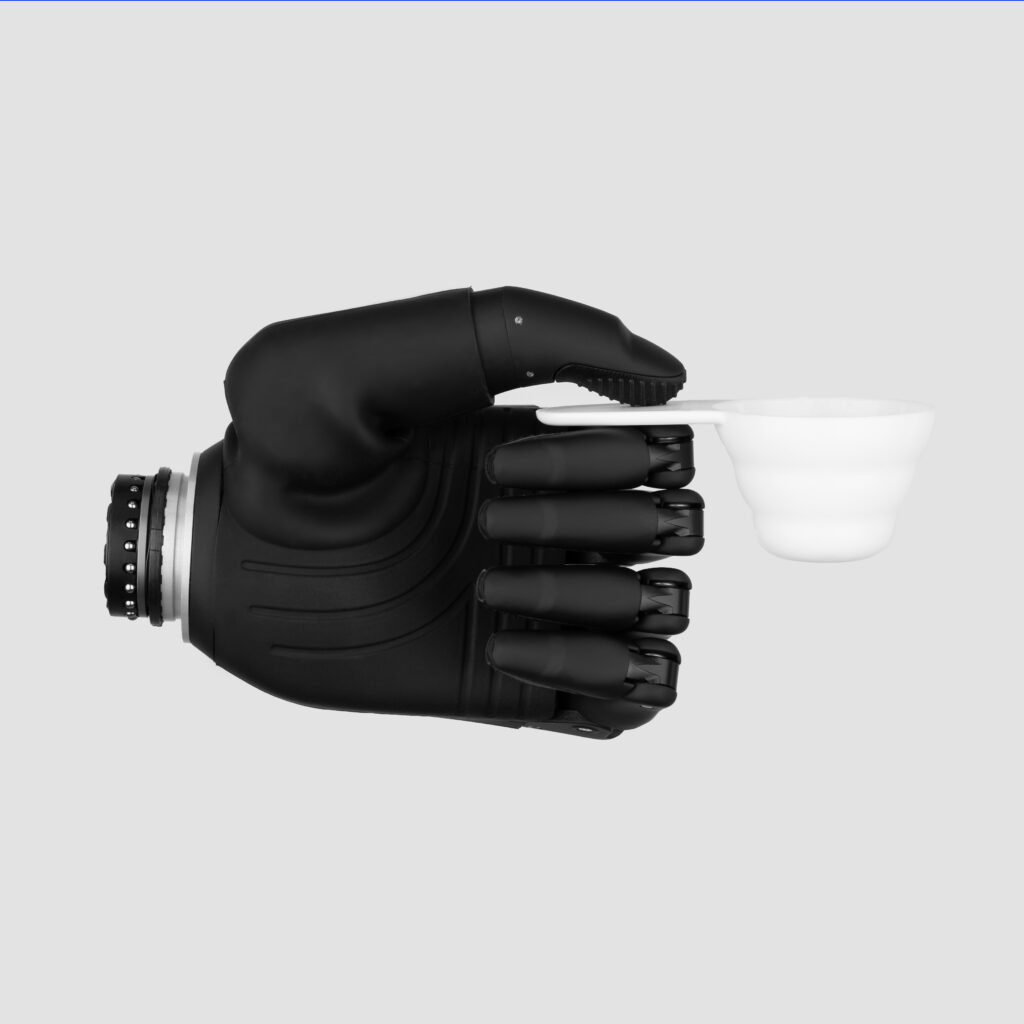
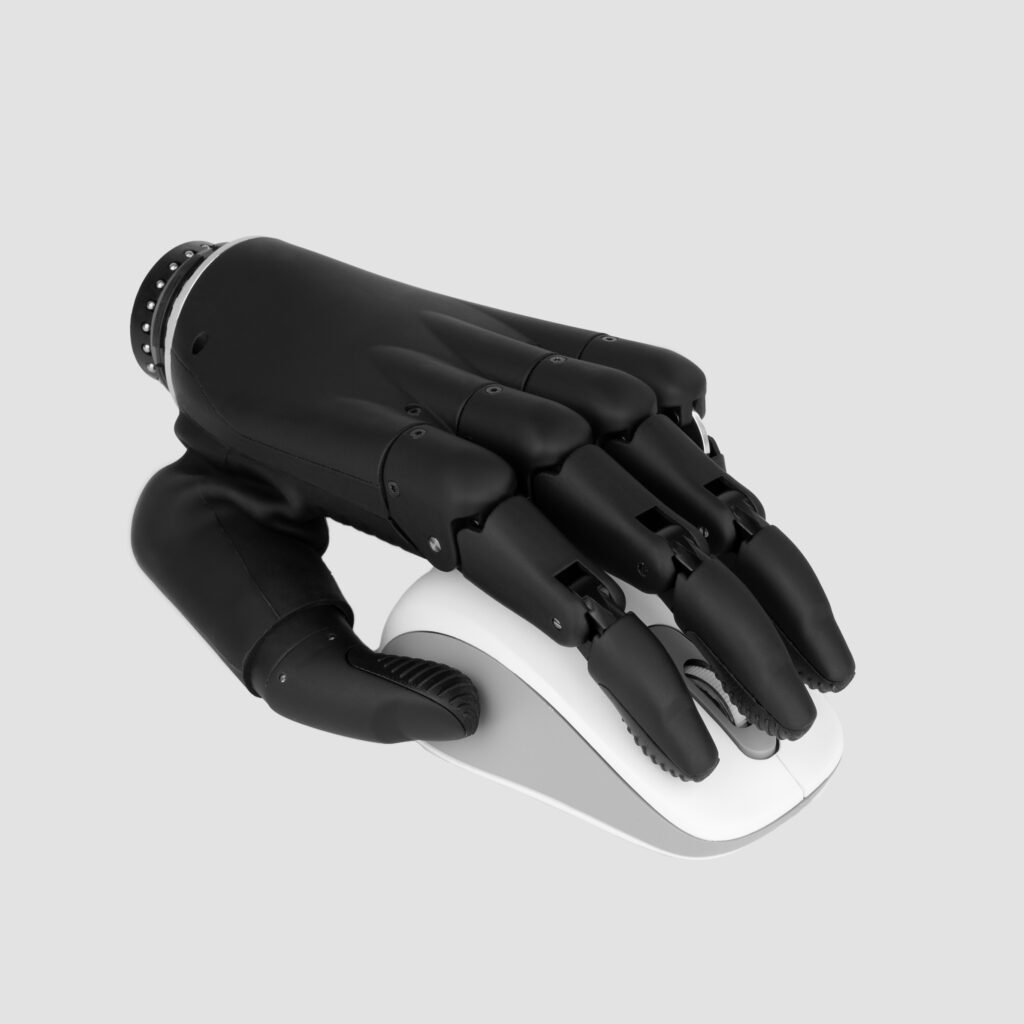
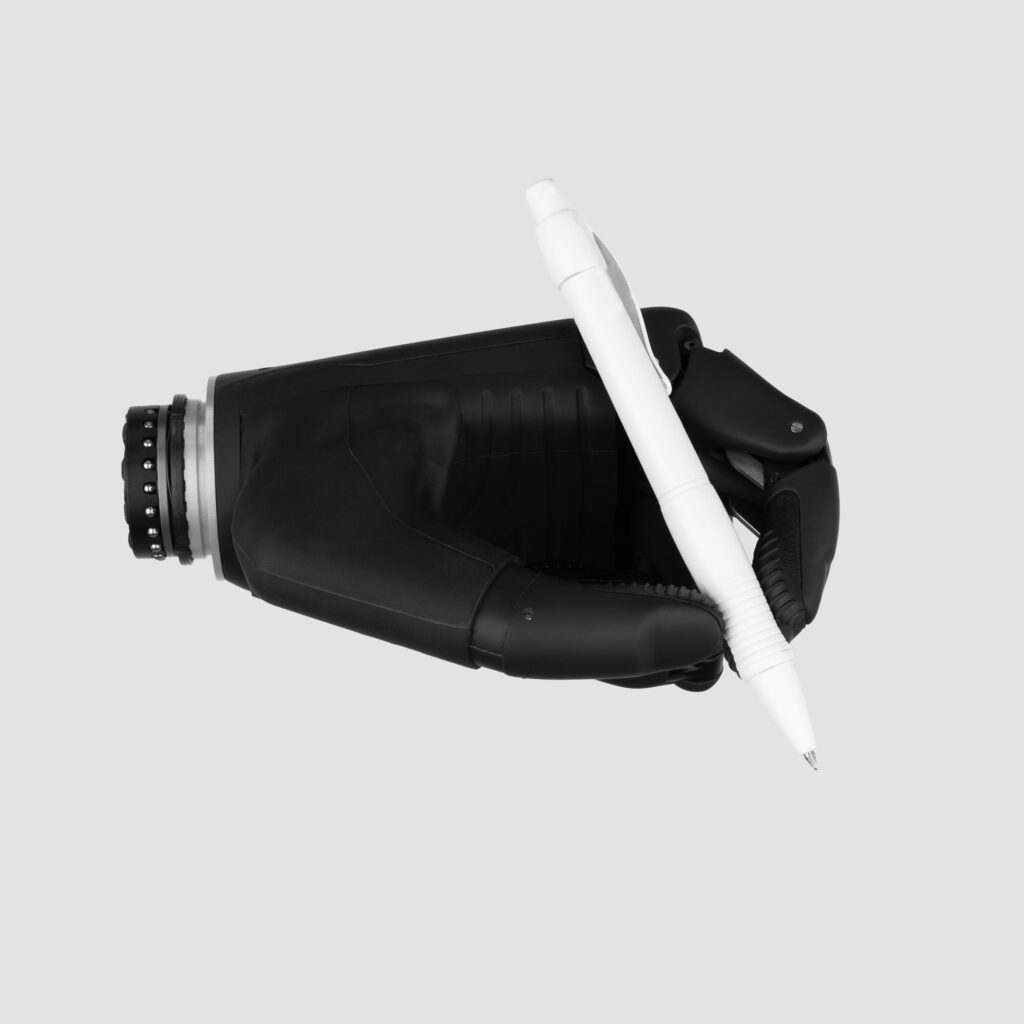
- Reduce joint impact and enhance balance.Smart upper-limb prosthetics allow precise hand and finger control, enabling users to perform daily activities such as holding tools, writing, or using a phone confidently.
At Qudra orthotics & prosthetics Lab, patients are trained to use these smart prosthetics through specialized rehabilitation programs, ensuring smooth interaction between muscles, the nervous system, and the prosthetic. This training is as important as the technology itself, as it determines the prosthetic’s effectiveness in daily life.

4-Smart Sockets and Skin Comfort
The socket is the interface between the prosthetic and the body, and any flaw can cause skin problems, pain, or instability. Modern technology has introduced smart sockets that are:
- Adjustable according to changes in the residual limb size.
- Equipped with ventilation systems to reduce sweat and prevent infections.
Fitted with sensitive padding to reduce friction and distribute pressure evenly.
At Qudra orthotics & prosthetics Lab, sockets are custom-designed for each patient, with continuous monitoring to ensure proper fit, protecting the skin and enhancing all-day comfort.
5-Integrating Smart Prosthetics with Neuro-Motor Rehabilitation
1.Technology alone is not enough; continuous rehabilitation is essential. At Qudra orthotics & prosthetics Lab, modern programs stimulate balance, muscles, and neuromuscular coordination. These programs include:
2.Gait analysis using digital motion measurement devices.
3.Exercises to strengthen core muscles and improve balance.
Training on using smart prosthetics in daily activities safely and naturally.
This integration ensures the patient maximizes the benefits of the prosthetic and can confidently engage in daily life independently.
6- Future Innovations in Prosthetics
Innovation is ongoing, and Qudra orthotics & prosthetics Lab keeps up with the latest developments:
- Prosthetics connected directly to nerves for better control and touch sensation.
- Artificial intelligence to learn the patient’s movement patterns and automatically improve prosthetic performance.
- Shape-adaptive materials to provide more comfort and reduce fatigue.
- These innovations aim to make prosthetics more than mechanical tools, turning them into an integrated part of the body that mimics natural movement and gives the patient full confidence in daily life.

7- The Importance of Comprehensive Support from Qudra orthotics & prosthetics Lab
Technology alone is not sufficient; the success of a prosthetic depends on medical, psychological, and rehabilitative support. At Qudra orthotics & prosthetics Lab :
- The team regularly monitors skin and muscle condition.
- Customized training programs are provided according to age, prosthetic type, and activity level.
- Clear instructions are given for daily maintenance, socket cleaning, and monitoring body changes.
- Innovation and modern techniques are combined to ensure optimal functional results and long-term comfort.
Conclusion: Smart Prosthetics and the Future of Mobility After Amputation
Technology in prosthetics is no longer a luxury but a fundamental part of rehabilitation and regaining independence. Smart prosthetics, advanced materials, carefully designed sockets, and integrated rehabilitation programs make using a prosthetic safe, comfortable, and effective.
At Qudra orthotics & prosthetics Lab, these elements are combined to offer innovative and personalized solutions for every patient, focusing on maximizing natural movement, comfort, and self-confidence. Investing in modern technology goes beyond design—it encompasses patient training, continuous monitoring, and full support, ensuring a more independent and comfortable life after amputation.
Through the combination of expertise, technology, and personalized care, Qudra orthotics & prosthetics Lab provides a comprehensive model for prosthetic care, emphasizing that innovation in this field is key to a natural, active life for every patient.Experience the next generation of smart prosthetic care.
Discover how advanced materials, intelligent prosthetic systems, and integrated rehabilitation can help you move naturally, live independently, and regain confidence.
Contact Qudra Orthotics & Prosthetics Lab today to schedule a personalized smart prosthetic assessment.