Prosthetics today are no longer limited to restoring physical function;
they have become a means of restoring confidence and psychological well-being. The external appearance is an integral part of human identity, and losing a limb affects not only mobility but also one’s self-image and social interactions.
With advances in medical technology and manufacturing materials, cosmetic prosthetics have emerged as a comprehensive solution that combines aesthetics with functional precision, restoring not just the patient’s movement but also a natural sense of self.
For decades, the focus in prosthetic development was solely on functionality — restoring movement. Over time, experts realized that appearance is just as important as mobility.
A prosthetic that functions perfectly but appears artificial can constantly remind the patient of their injury, affecting self-esteem and social confidence.
This realization sparked a revolution in cosmetic prosthetic design — creating limbs that not only replace what was lost physically but also restore psychological completeness and social integration.
Aesthetic restoration is no longer a luxury; it is a critical part of rehabilitation. Reclaiming a natural appearance helps rebuild confidence, which is the first step in any successful recovery journey.
How Technology Has Transformed Cosmetic Prosthetics
Technological advancements in biomedical engineering and precision manufacturing have directly improved the quality of cosmetic prosthetics.
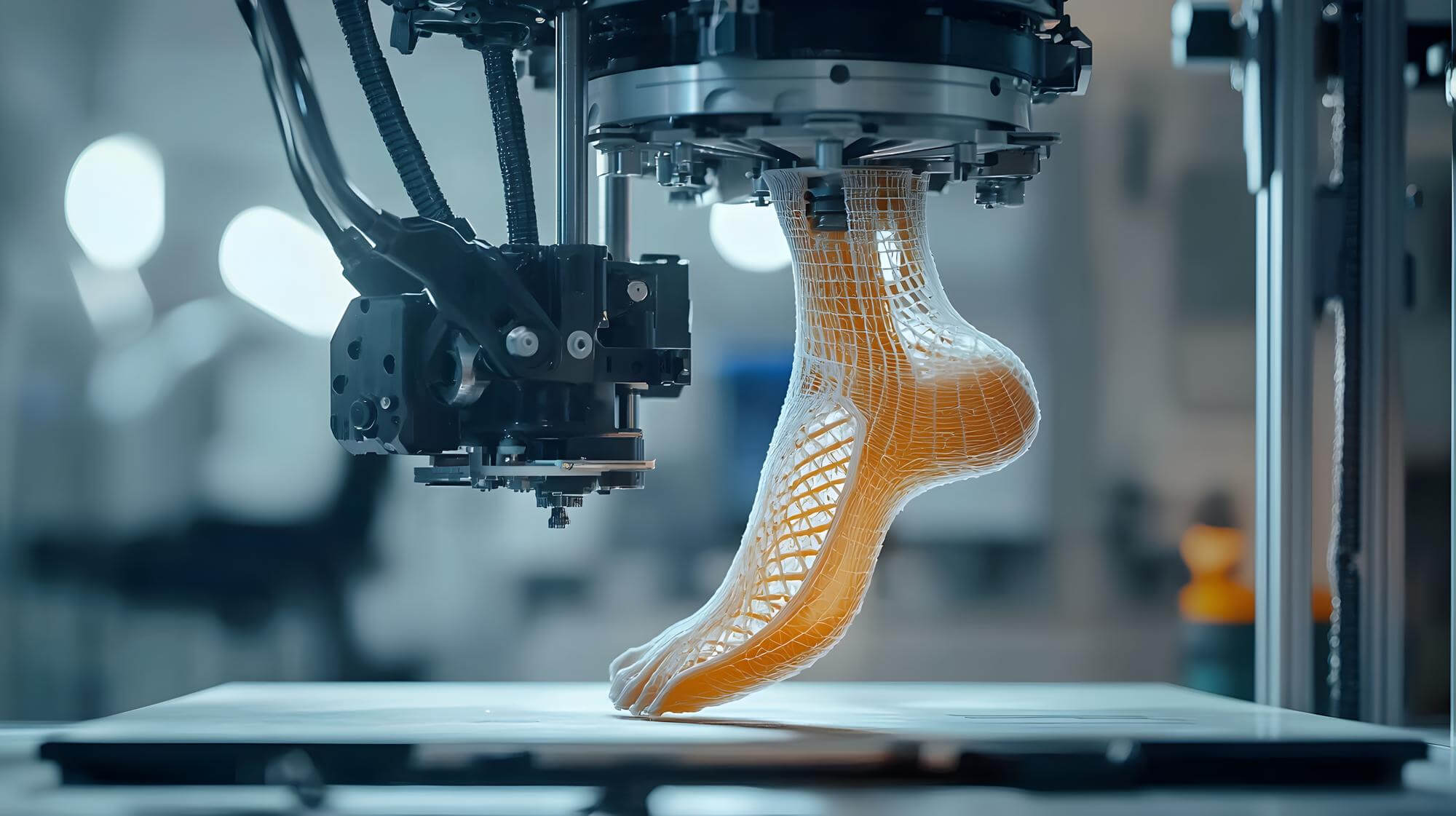
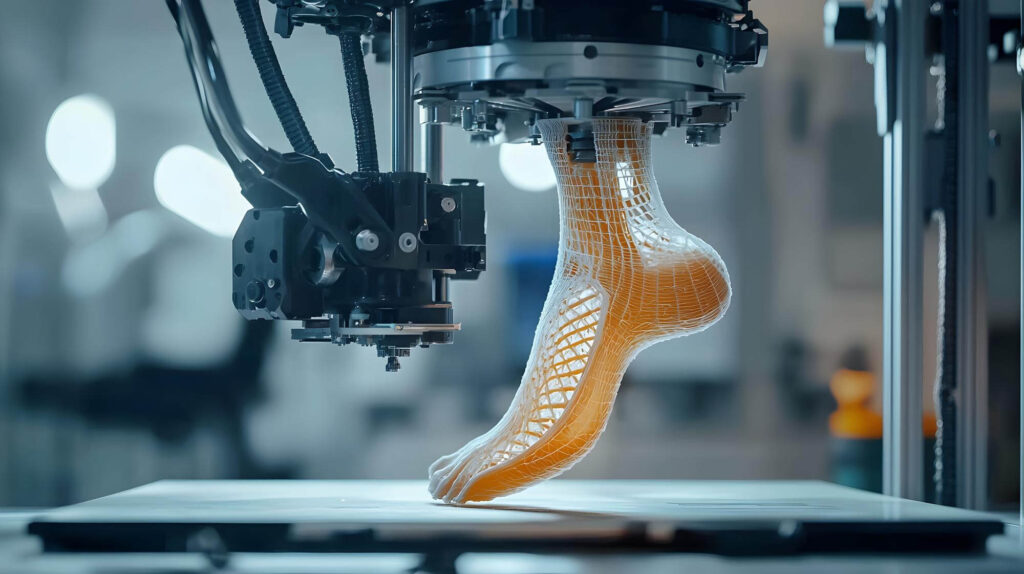
In the past, these prosthetics were handcrafted, making it difficult to replicate the natural look of skin — in terms of color, texture, and fine details. Today, 3D scanning and high-precision bio-printing have revolutionized the field.
The process begins with scanning the patient’s healthy limb or capturing photographs to create a digital model matching size, shape, and features. Advanced design software then adapts this model as the basis for the prosthetic.
The prosthetic is manufactured from high-quality medical-grade silicone, hand-colored to perfectly match the patient’s skin tone, including features like moles, veins, or nails, achieving a remarkably natural appearance.
This innovation has shifted perceptions of prosthetics: from purely functional devices to personalized works of art that reflect personality and restore a sense of natural beauty.
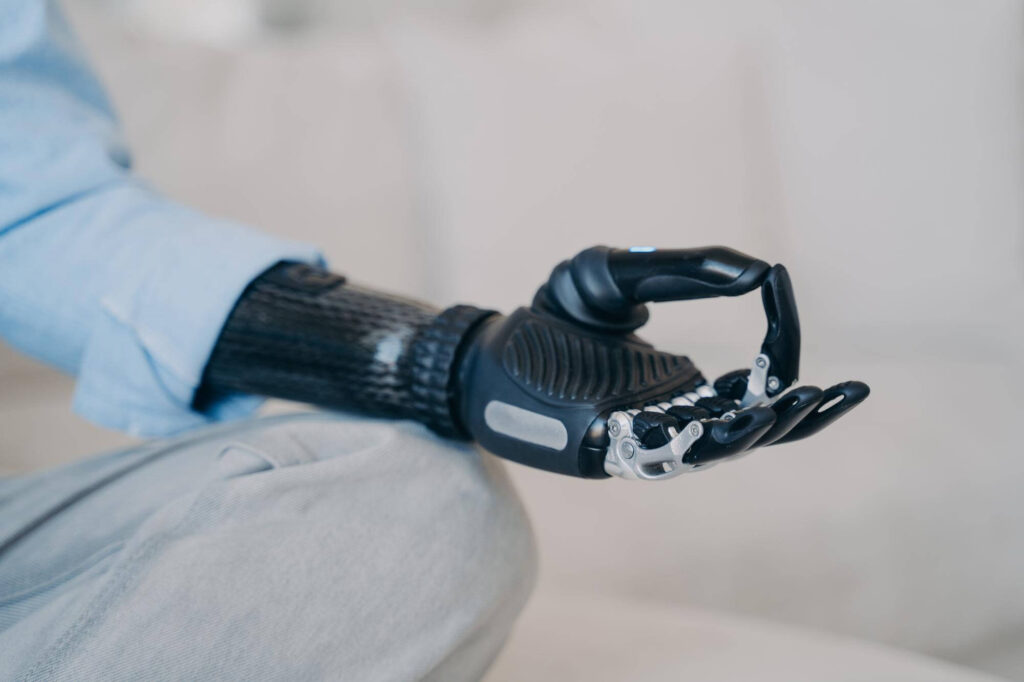
Medical-grade silicone is the cornerstone of modern cosmetic prosthetics.
It is safe, flexible, and realistic in texture, making it ideal for replicating real skin. Silicone maintains its color over time, resists heat and humidity, and can be crafted to capture even the smallest details of the face, hand, or foot.These prosthetics are used for missing fingers, hands, feet, or even facial features like ears or noses. Beyond cosmetic purposes, they provide psychological support, helping patients feel whole again and restoring confidence in daily interactions.

Losing a limb impacts not only physical appearance but also mental well-being. Patients may feel “different” or “incomplete,” creating social and psychological barriers.
When a patient regains a natural-looking prosthetic, confidence gradually returns. Individuals who once hid their hands or avoided social gatherings begin to engage without fear or hesitation.
The transformation extends beyond appearance to inner self-perception. Patients regain part of their lost identity, which positively affects their behavior, ambitions, and even professional performance.
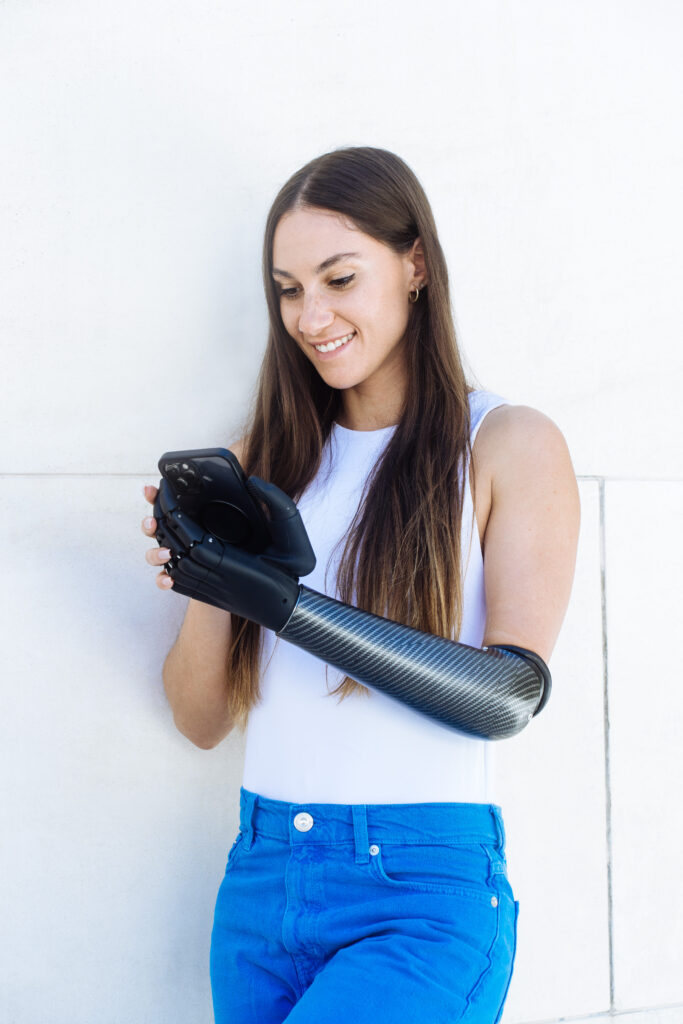
For this reason, cosmetic prosthetics are among the most effective forms of psychological support after physical trauma. They restore self-respect even before restoring mobility.
Quality of life is not just about movement; it is about comfort, social integration, and confidence. Cosmetic prosthetics help patients dress freely, shake hands comfortably, and participate fully in social activities.
They also reduce psychological stress on families and close circles, as they witness the patient gradually returning to normal life without isolation or withdrawal after major injuries or surgeries.
In short, cosmetic prosthetics restore not only the body but also the person’s sense of self.
At Qudra orthotics & prosthetics Lab for Prosthetics and Orthotics, cosmetic prosthetics are considered part of a holistic system aimed at both physical and psychological healing.
The center employs the latest digital scanning and 3D printing technologies, alongside a specialized team of engineers, technicians, and artists capable of replicating the most precise details of human skin and features.
The process begins with a thorough assessment, understanding the patient’s aesthetic and psychological needs before any design work.
A 3D digital model of the prosthetic is then created, followed by precise manufacturing using medical-grade silicone, with individualized hand coloring to match skin tone and texture perfectly.
The result is not merely a medical device but a customized work of art that restores the patient’s natural body image — an invaluable sense of self.
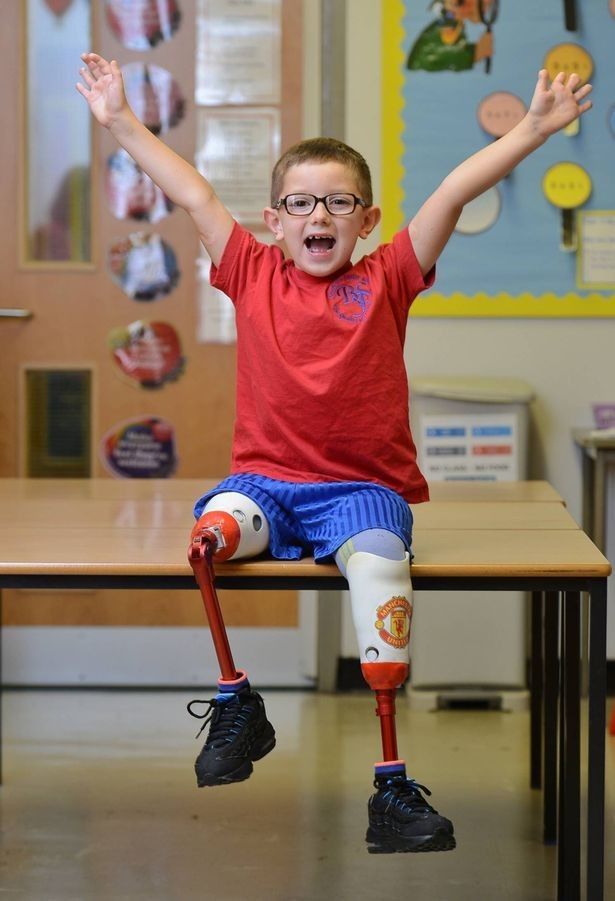
Behind every cosmetic prosthetic lies a unique human story. It could be a child who lost part of a hand in an accident, a woman recovering from surgery, or a young adult striving to regain a natural appearance after a work-related injury. Each story carries emotions, hopes, and the desire to “look normal” again.
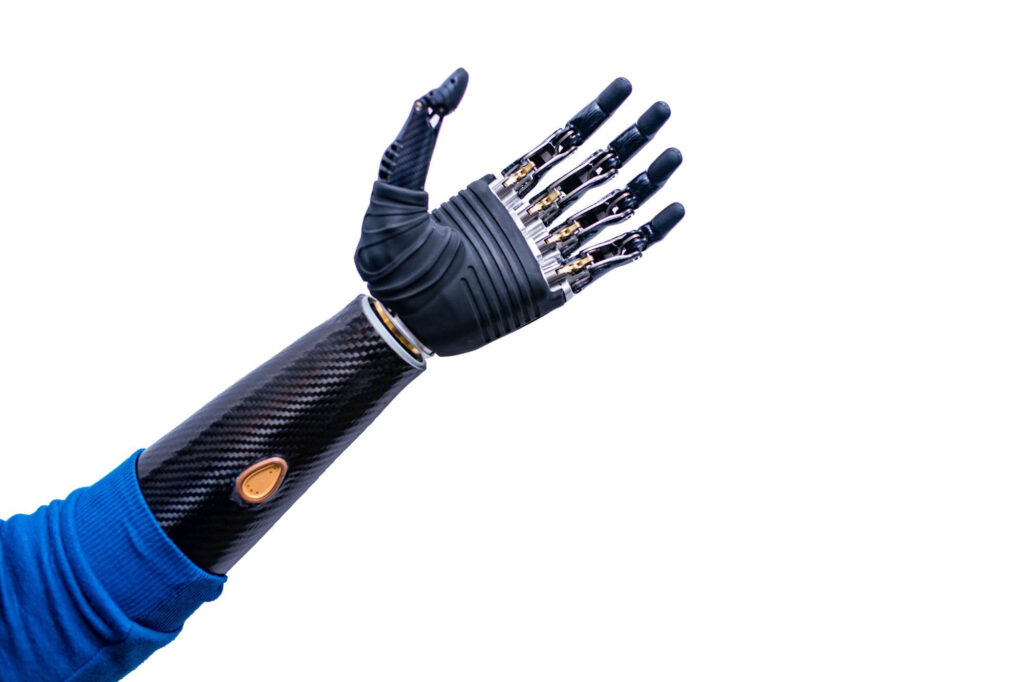
At Qudra orthotics & prosthetics Lab , patients are treated as humans, not numbers. The relationship between the team and the patient is built on trust and respect, with the patient involved in every stage of design and selection to ensure true ownership of the new limb. The team understands that what is restored is not just a shape, but part of the patient’s identity and dignity.
While cosmetic prosthetics focus on appearance, Qudra orthotics & prosthetics Lab always seeks an optimal balance between aesthetics and functionality. Many silicone prosthetics incorporate simple mechanisms, allowing limited movement, such as finger flexion or partial support for walking in lower-limb devices. This combination of natural appearance and functional ability enhances realism and provides a more comfortable, practical experience in daily life.
The field of cosmetic prosthetics is advancing rapidly, thanks to developments in biomaterials and artificial intelligence.
Emerging research aims to develop prosthetics that respond to skin temperature, adjust color automatically to match natural light, and potentially sense touch or motion in the near future.
Qudra orthotics & prosthetics Lab moves steadily toward this future, continuously adopting the latest technology and training its staff to remain at the forefront of institutions providing comprehensive medical and human-centered solutions.
In conclusion, cosmetic prosthetics are not merely medical accessories; they are a bridge between physical recovery and psychological healing.
They allow patients to look in the mirror without pain and return to life with dignity and confidence.
At Qudra orthotics & prosthetics Lab , this philosophy is realized: every cosmetic prosthetic is crafted with human understanding and scientific precision, restoring not only what was lost but what every patient truly deserves — comfort, confidence, and a full sense of life.
Restore more than appearance—restore confidence, identity, and peace of mind.
Discover how custom cosmetic prosthetics can help you feel whole again, inside and out.
Contact Qudra Orthotics & Prosthetics Lab today to schedule a personalized cosmetic prosthetic consultation.