Restoring Mobility, Confidence, and Quality of Life
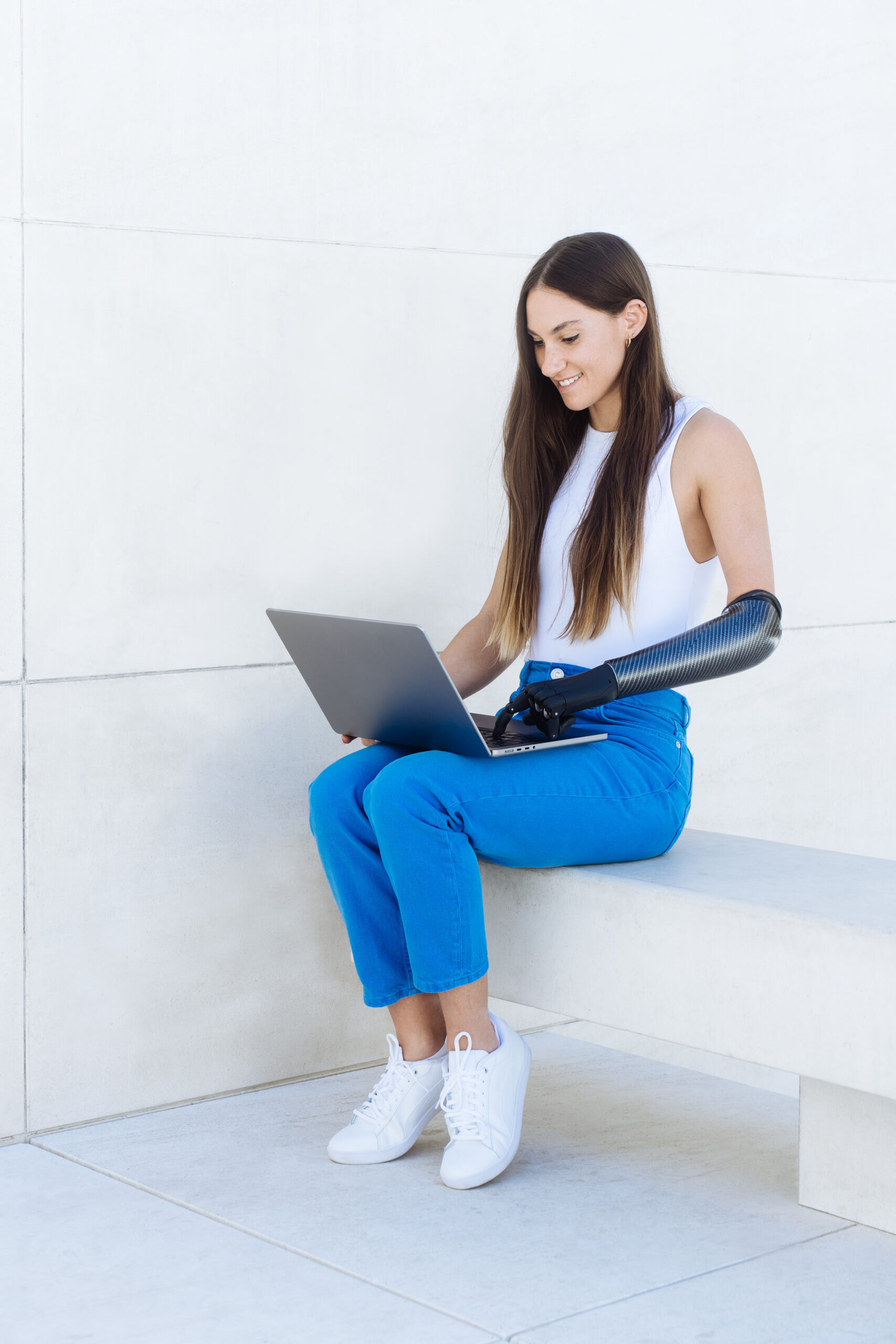
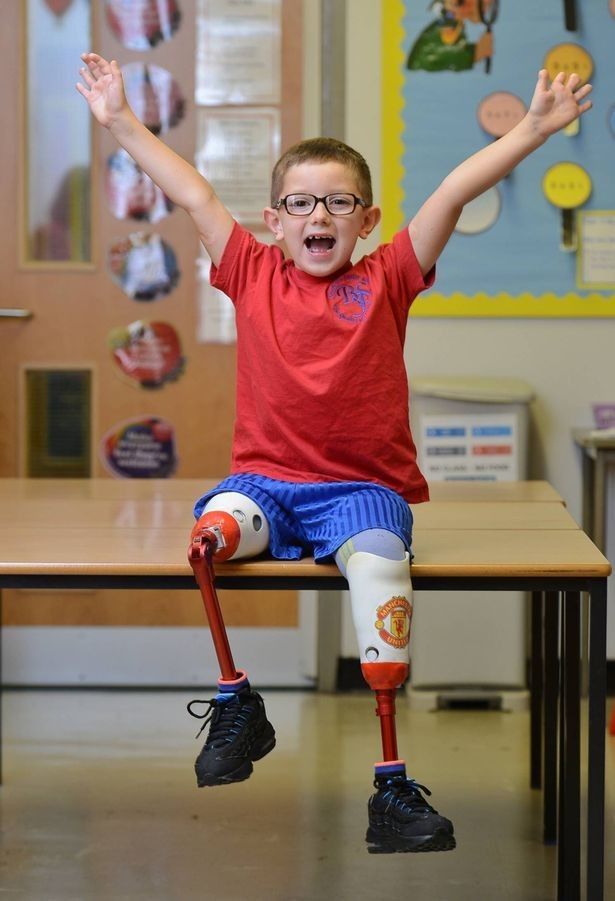
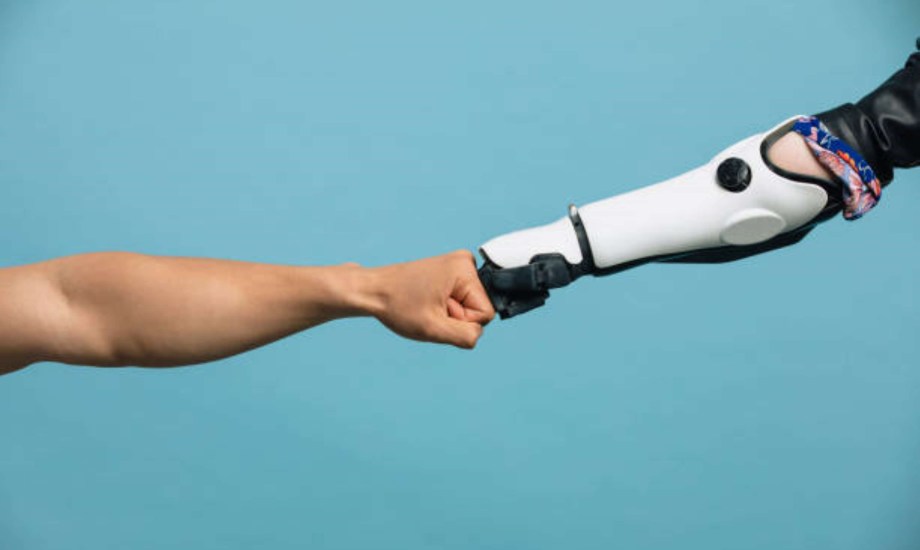
Lower-limb prosthetics represent one of the most impactful medical advancements of modern healthcare. They are not simply substitutes for a missing limb—they are highly effective tools that restore mobility, independence, and the ability to resume daily life with confidence and comfort.
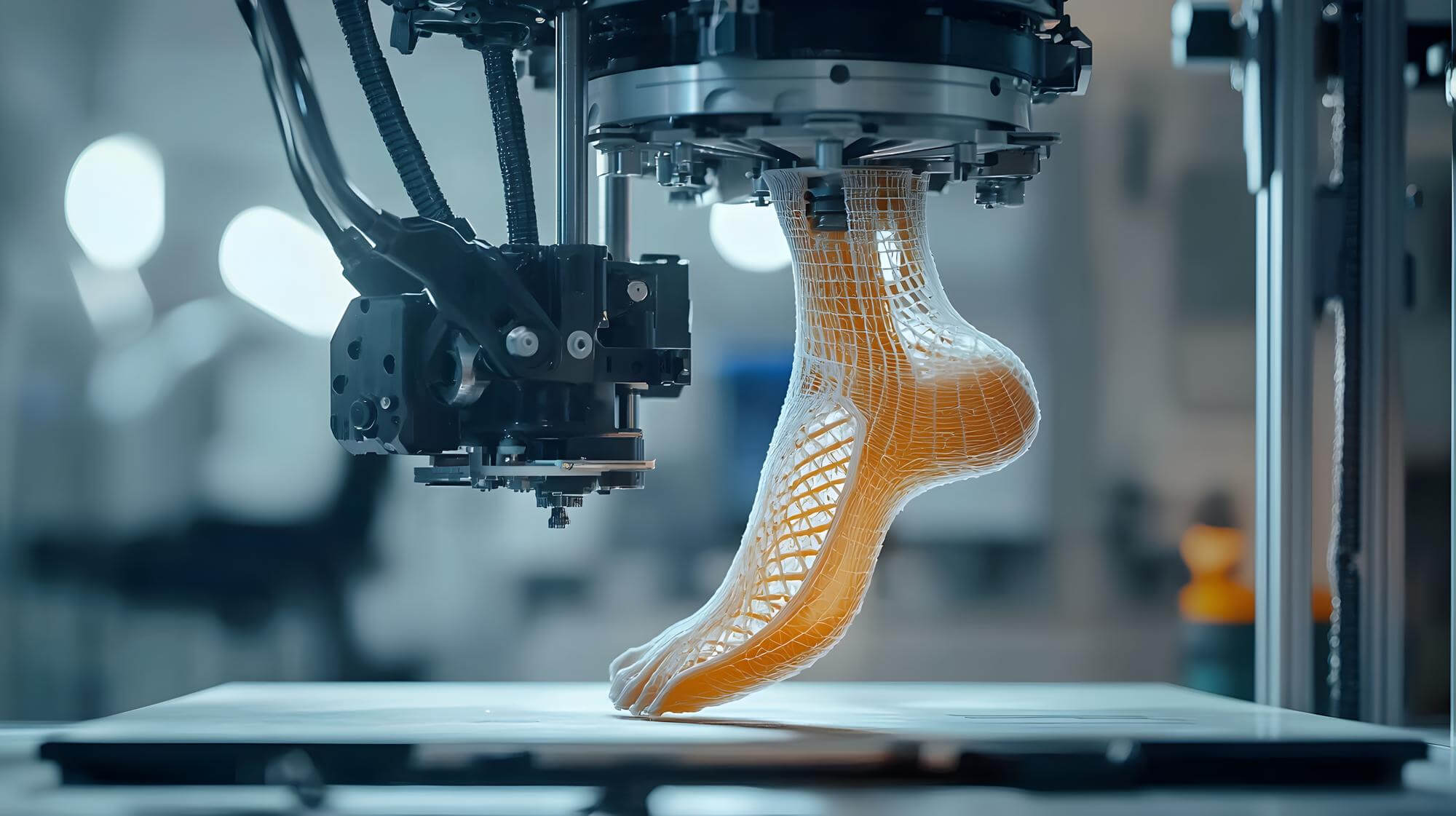
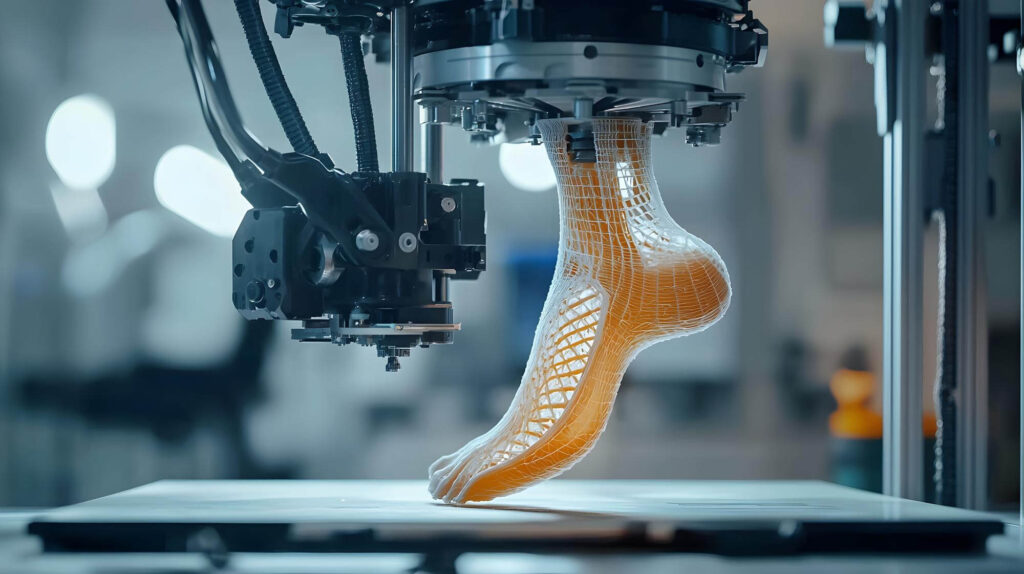
With major progress in biomedical engineering, prosthetic design has evolved dramatically in both materials and integrated technologies. These advancements allow the creation of limbs that adapt precisely to the user’s anatomy and lifestyle, offering a more natural, realistic, and seamless experience.
The causes of lower-limb loss vary widely. Traumatic accidents remain among the most common causes, followed by chronic conditions such as diabetes and vascular diseases that may require amputation to preserve the patient’s life. Birth defects or congenital anomalies can also affect limb development and lead to the need for prosthetic solutions.
Causes and Levels of Lower-Limb Amputation
Amputation levels differ depending on the site of injury or medical condition. Each level presents unique challenges and requires specific rehabilitation approaches. Common levels include:
- Toe and Partial Foot Amputation:
Involves removing one or more toes or a portion of the foot, often due to injury or complications from diabetes. - Below-Knee Amputation (Transtibial):
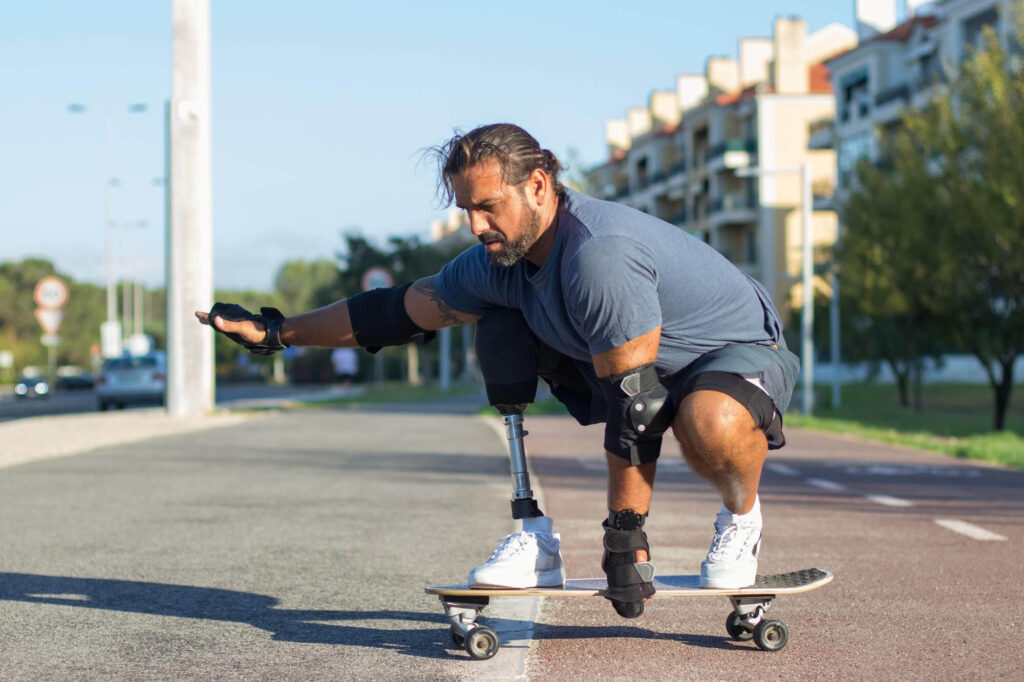
The lower limb is removed below the knee. This is a relatively common surgical level and is often caused by trauma, infection, or chronic disease. - Above-Knee Amputation (Transfemoral):
Amputation occurs above the knee and requires an extensive rehabilitation process to regain mobility. - Hip and Pelvic Amputation:
A major surgical procedure involving removal of part of the pelvis and the entire limb. It is rare and usually reserved for severe trauma or tumors.

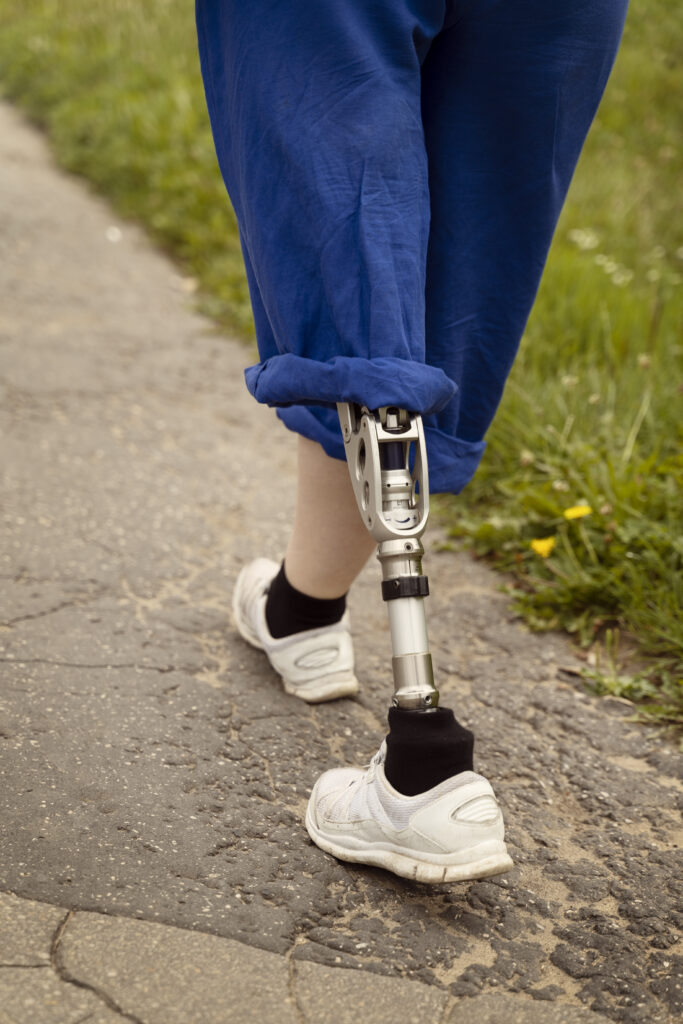
Because each level of amputation has its own medical and functional needs, Qudra Center carefully selects the most suitable materials and technologies to ensure each patient receives the optimal prosthetic solution.
Evolution of Materials in Modern Prosthetics
Materials used in lower-limb prosthetics have undergone tremendous development. From older models made of wood and metal, today’s devices are built using advanced, high-performance materials such as:
- Modern polymers and composite materials
- Silicone and flexible biocompatible components
- Carbon fiber and ultra-lightweight structural materials
These materials are known for their durability, light weight, and high shock absorption, offering a more natural gait and enhanced comfort for everyday use.
Types of Lower-Limb Prosthetics
There are several types of prosthetic limbs, each designed to serve a specific purpose. Options range from cosmetic to functional, sports-specific, and even smart electronic devices:
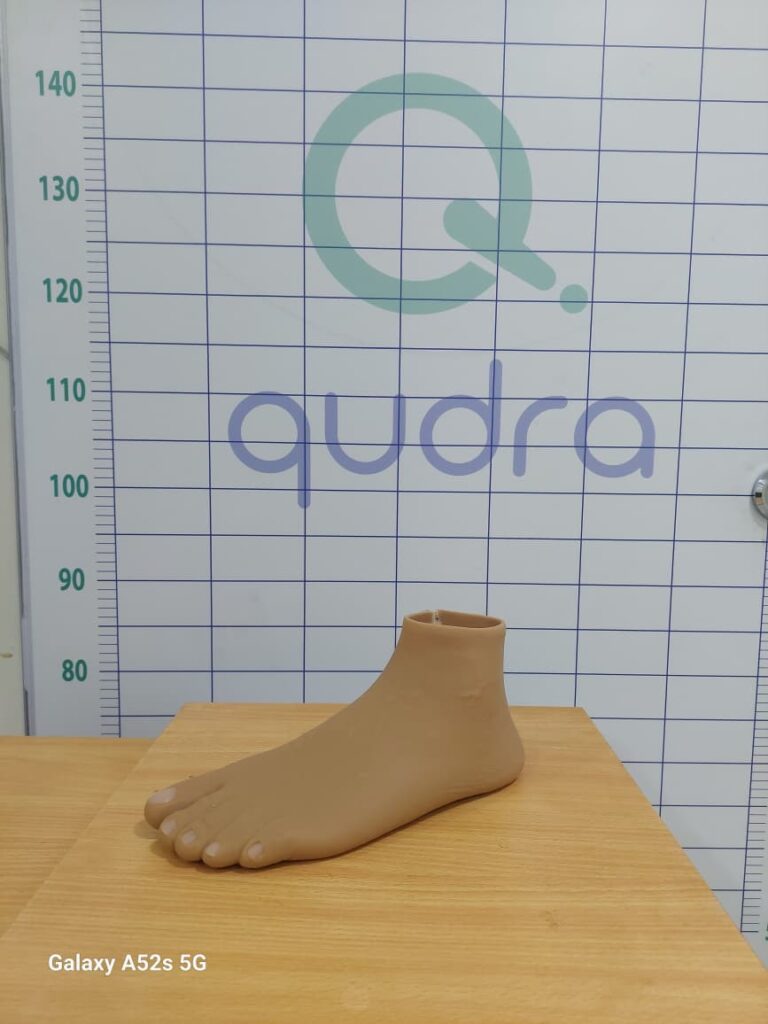
- Cosmetic Prosthetics:
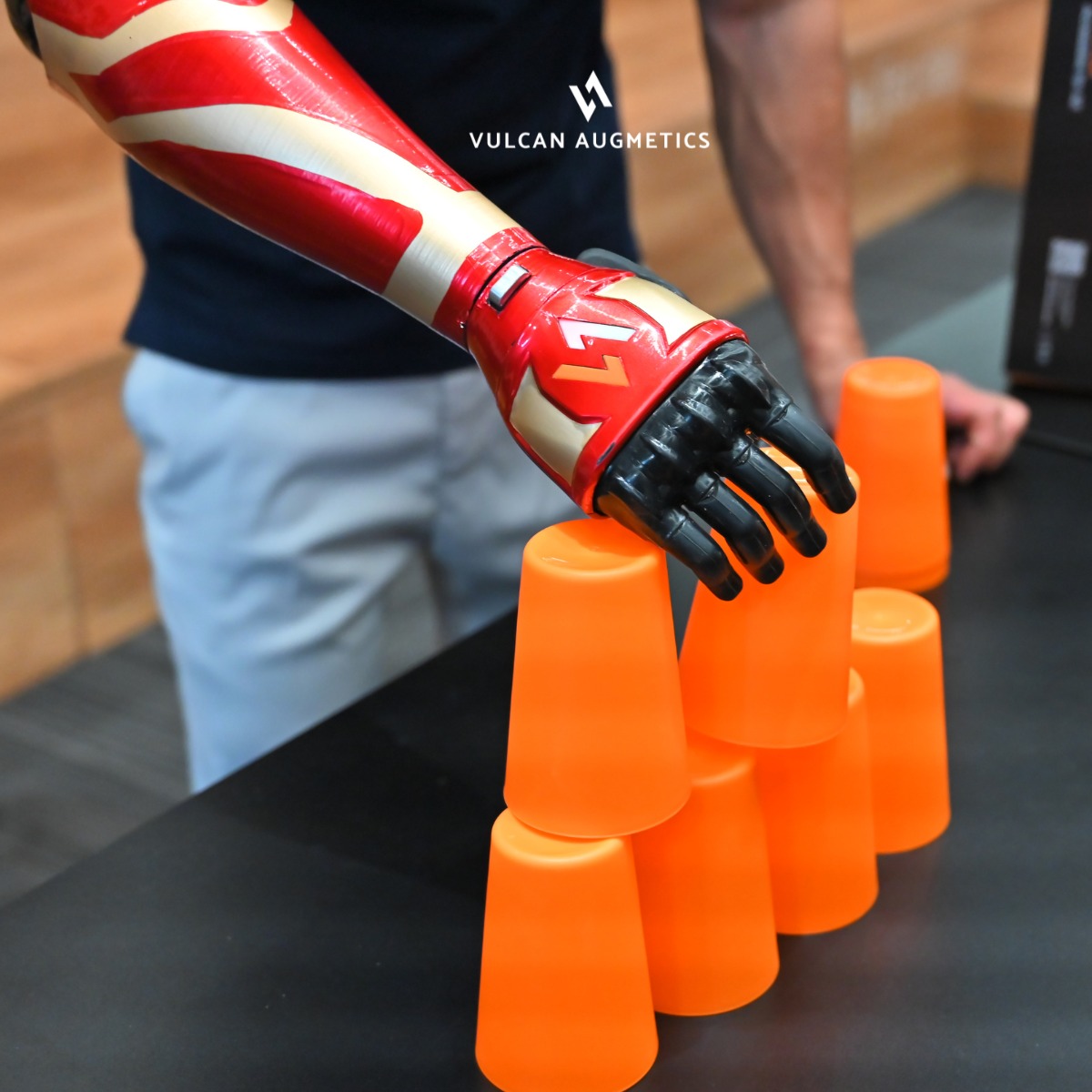
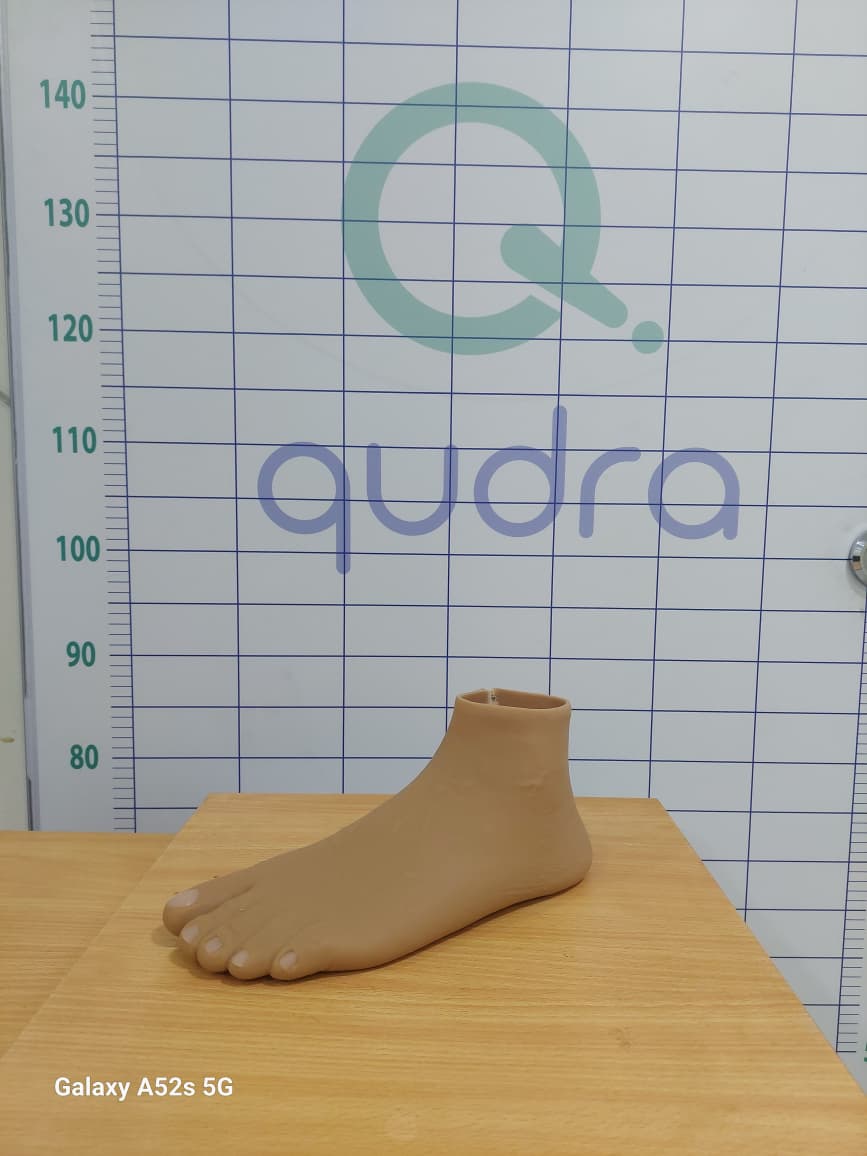
Designed to restore the natural appearance of the leg or foot. These prostheses mimic the look of real skin and are ideal when aesthetics are the priority. - Functional Prosthetics:
Built for mobility and durability, these prosthetics support walking, movement, and daily activities. They are commonly used in full or partial amputations that require strong mechanical performance.
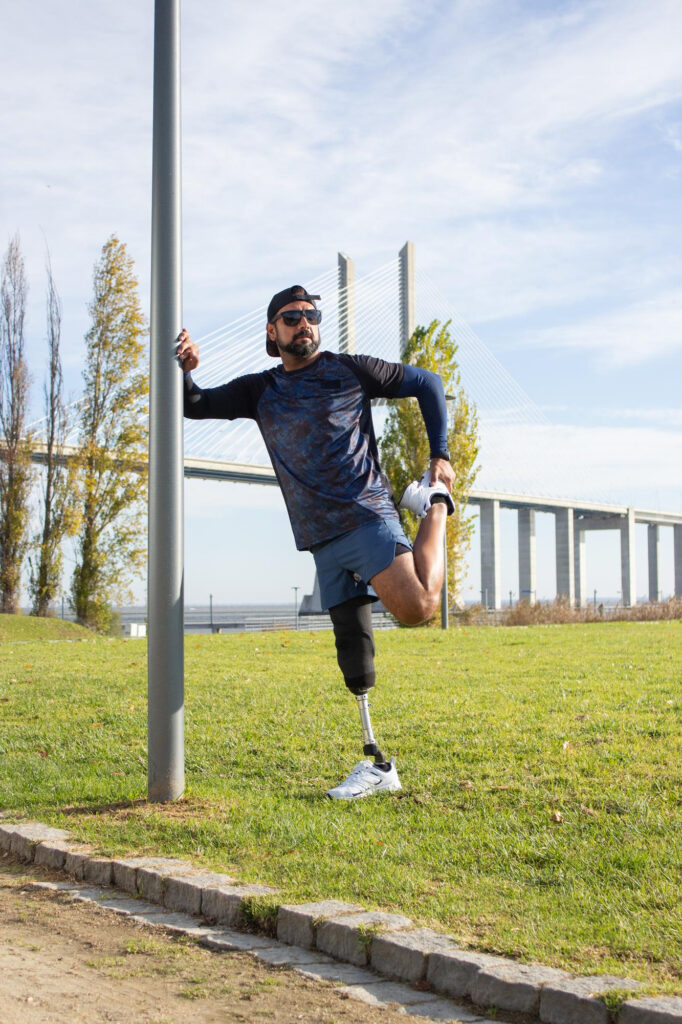
- Sports-Specific Prosthetics:
Engineered for athletes, these devices are lightweight, highly durable, and optimized for high-performance activities such as running or swimming.
Smart / Electronic Prosthetics:
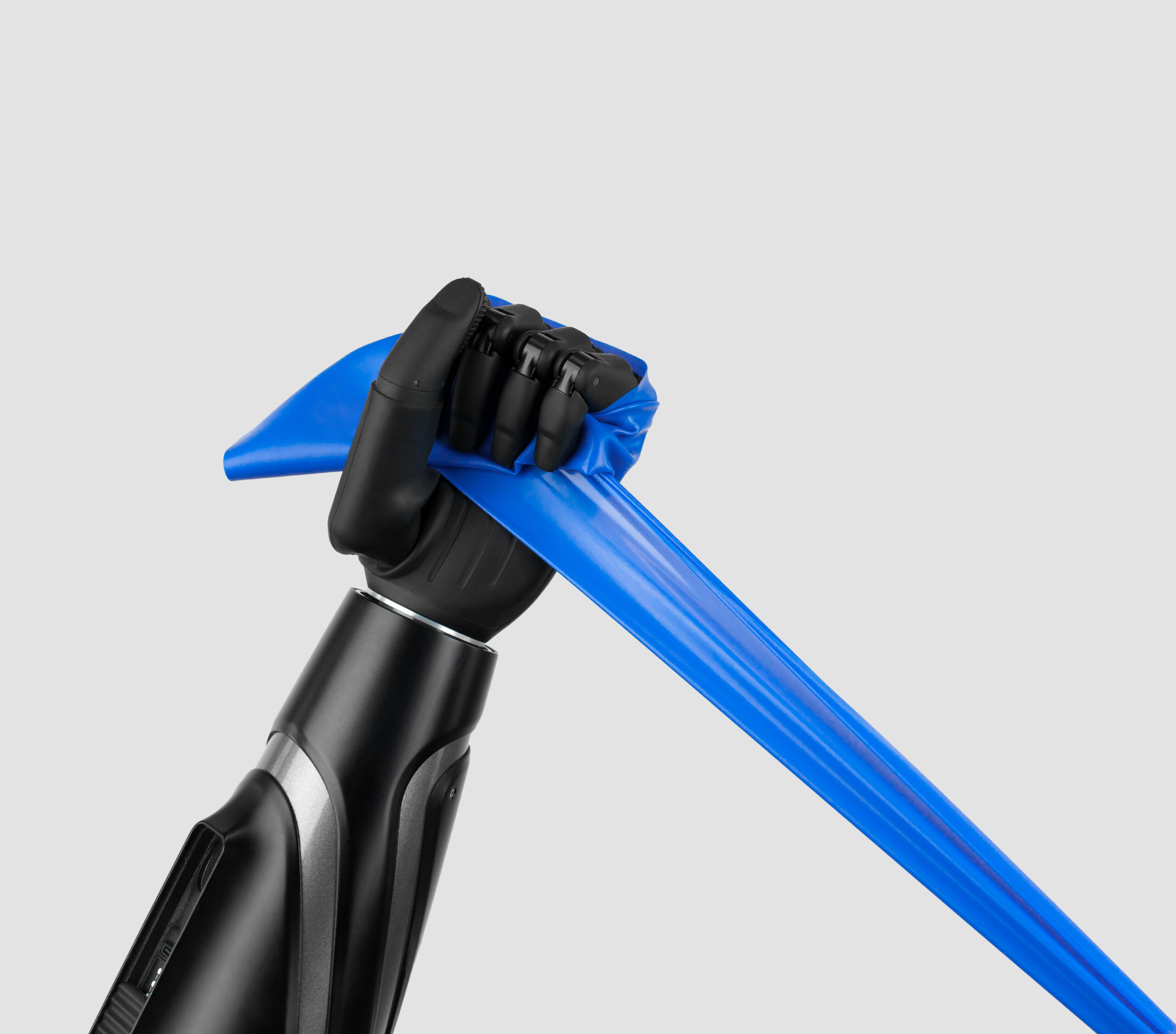
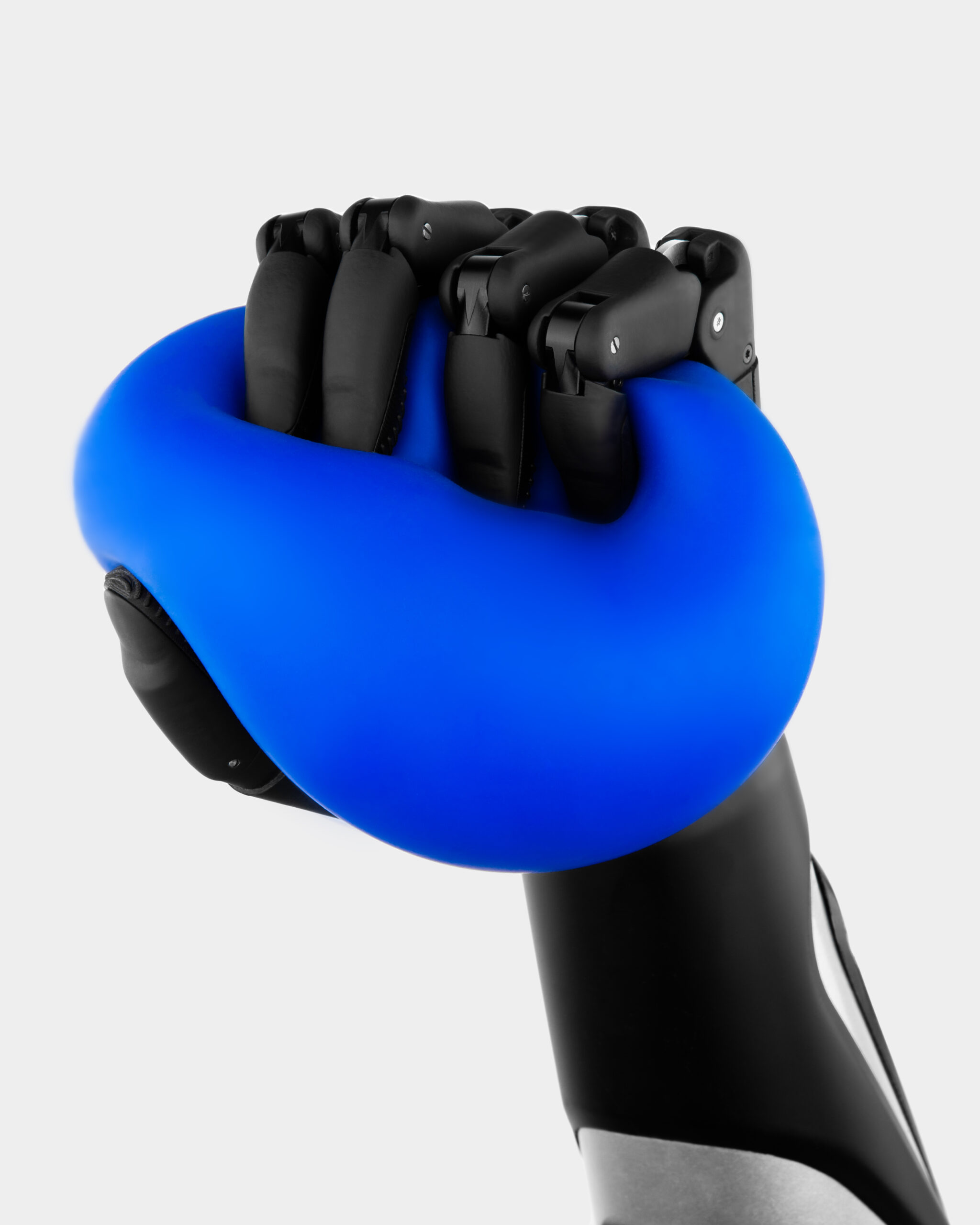
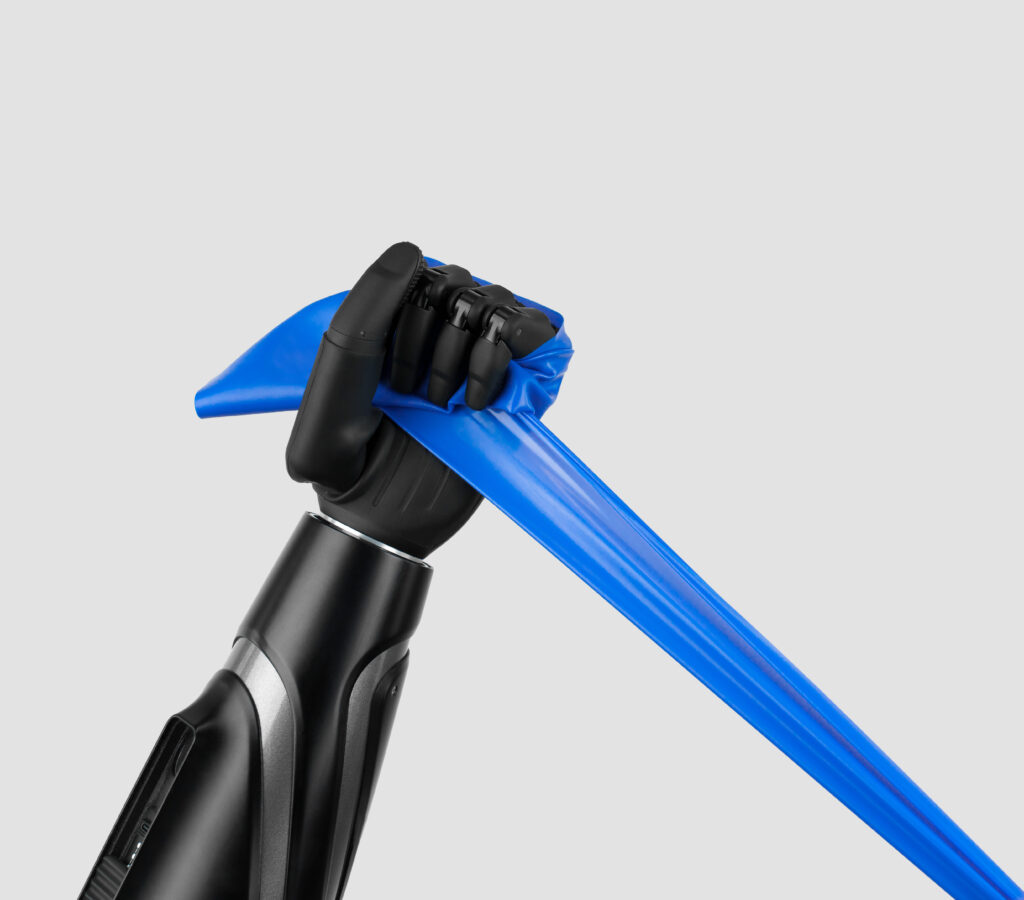
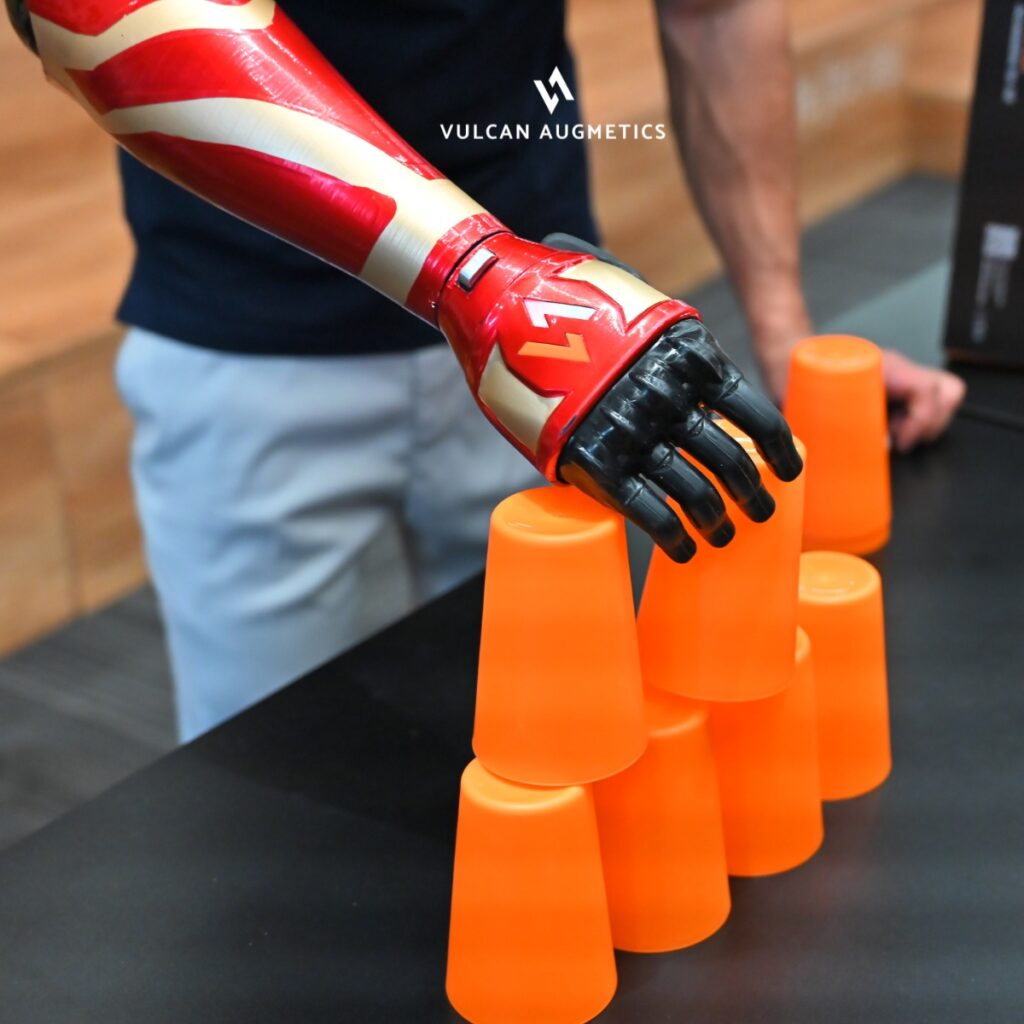
The most advanced category, featuring sensors and microprocessors that enable highly accurate motion control. These prosthetics provide a natural, intuitive response to movement signals.
Rehabilitation… A Fundamental Step Toward Full Recovery
After choosing and customizing the right prosthesis at Qudra orthotics & prosthetics Lab, rehabilitation becomes the next crucial stage. It ensures the patient can use the limb safely, efficiently, and confidently.
In this video, Engineer Ahmed Habib offers a detailed explanation of the advanced rehabilitation methods used at Qudra orthotics & prosthetics Lab to guarantee both comfort and optimal performance.
Rehabilitation programs may include:
- Muscle-strengthening exercises
- Flexibility and range-of-motion training
- Balance and coordination exercises
- Gait training and instruction on proper prosthetic use
- Psychological and emotional support
- Guidance on overcoming adaptation challenges
These programs help the patient transition smoothly, building confidence and enabling a progressive return to normal daily life.
Care and Maintenance of Prosthetic Limbs
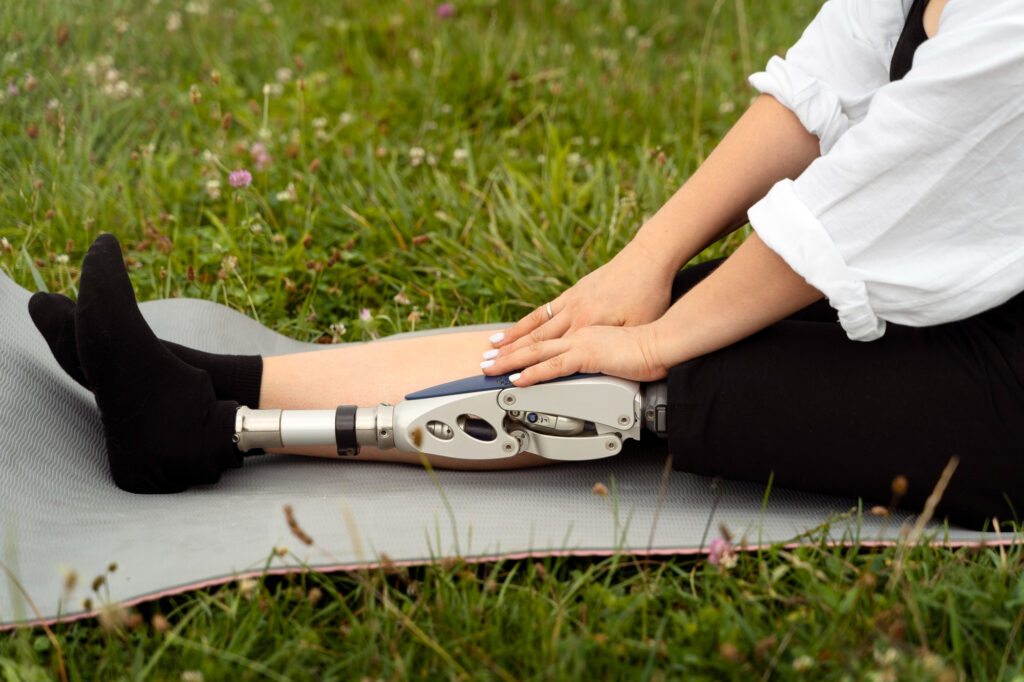
Proper care is essential to ensure the safety, comfort, and longevity of the prosthetic limb. Maintenance includes:
- Daily Hygiene:
- Cleaning the prosthesis with mild soap and water
- Drying it thoroughly
- Inspecting for any signs of wear
- Cleaning the prosthesis with mild soap and water
- Regular Checkups and Preventive Maintenance:
- Checking moving parts for wear
- Ensuring suspension systems are secure
- Lubricating mechanical components as needed
- Checking moving parts for wear
- When to Replace the Prosthetic Limb:
Replacement may be necessary when:
- Key components show significant wear
- The device no longer meets the user’s needs
- The residual limb undergoes major changes
- Key components show significant wear
- Residual Limb Care:
- Daily washing
- Proper drying
- Regular inspection for irritation or skin issues
- Daily washing
Such practices help maintain limb health and prevent complications.
A Final Word
Lower-limb prosthetics play a vital role in transforming the lives of individuals who have experienced limb loss. By exploring the causes of amputation, understanding the different prosthetic types, and highlighting the latest technological innovations, it becomes clear that these devices are far more than replacements—they are life-restoring tools that empower individuals to reclaim mobility, independence, and confidence.
Qudra orthotics & prosthetics Lab provides comprehensive support at every stage—from the first assessment to rehabilitation, psychological support, and long-term follow-up—ensuring each patient’s return to daily life is smooth, safe, and empowering.
With continuous advancements in prosthetic technology, the future promises even more personalized, high-precision solutions that elevate quality of life for every individual.
Take the first step toward restoring your mobility and independence.
Schedule a comprehensive evaluation with Qudra Orthotics & Prosthetics Lab today, and let our expert team design a personalized prosthetic and rehabilitation plan that fits your life—because moving forward should feel confident, comfortable, and natural.