How Prosthetics Help Children Improve Motor Development
Childhood is the foundation upon which a person’s future is built—a stage where the body, mind, and skills grow rapidly and intricately. When a child loses a limb due to a congenital condition, an accident, or illness, the impact extends far beyond physical limitations. It affects their movement, confidence, and even how they interact with their environment.
This is where a delicate and highly specialized journey begins—a journey of pediatric prosthetic rehabilitation that aims to help the child regain natural mobility and participate fully in daily life. At Qudra orthotics & prosthetics Lab, every child’s case is regarded as both a scientific responsibility and a human commitment. We don’t simply fit a prosthetic device—we rebuild physical balance, emotional stability, and social confidence, ensuring the child grows with independence and self-assurance.
Understanding Children’s Unique Needs
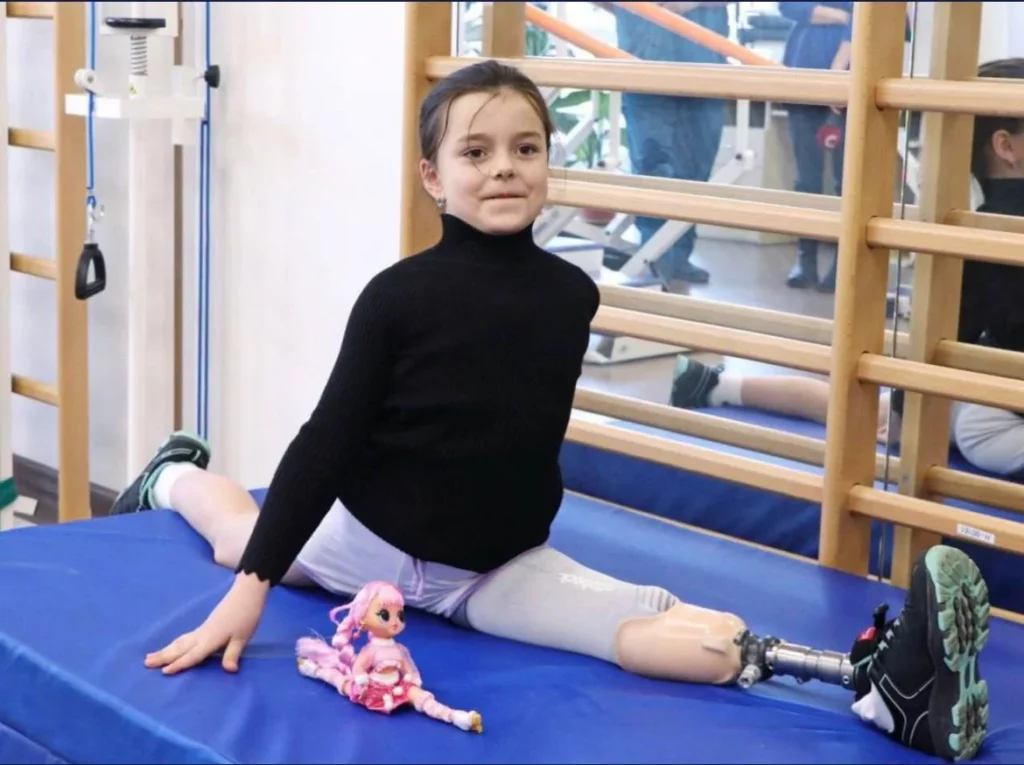
The journey always begins with understanding. Children differ from adults not only in physical growth but also in neurological development and their ability to learn new skills.
Managing limb loss at an early age requires a comprehensive assessment of every aspect of the child’s life—physical, emotional, and social.Assessment goes far beyond choosing the right prosthetic limb. It involves studying the child’s lifestyle, environment, and daily activity level to ensure that the final design supports who they are—not just what they need physically. Once this understanding is complete, the next stage begins: transforming these insights into a customized engineering solution.
Designing Prosthetic Limbs for Children
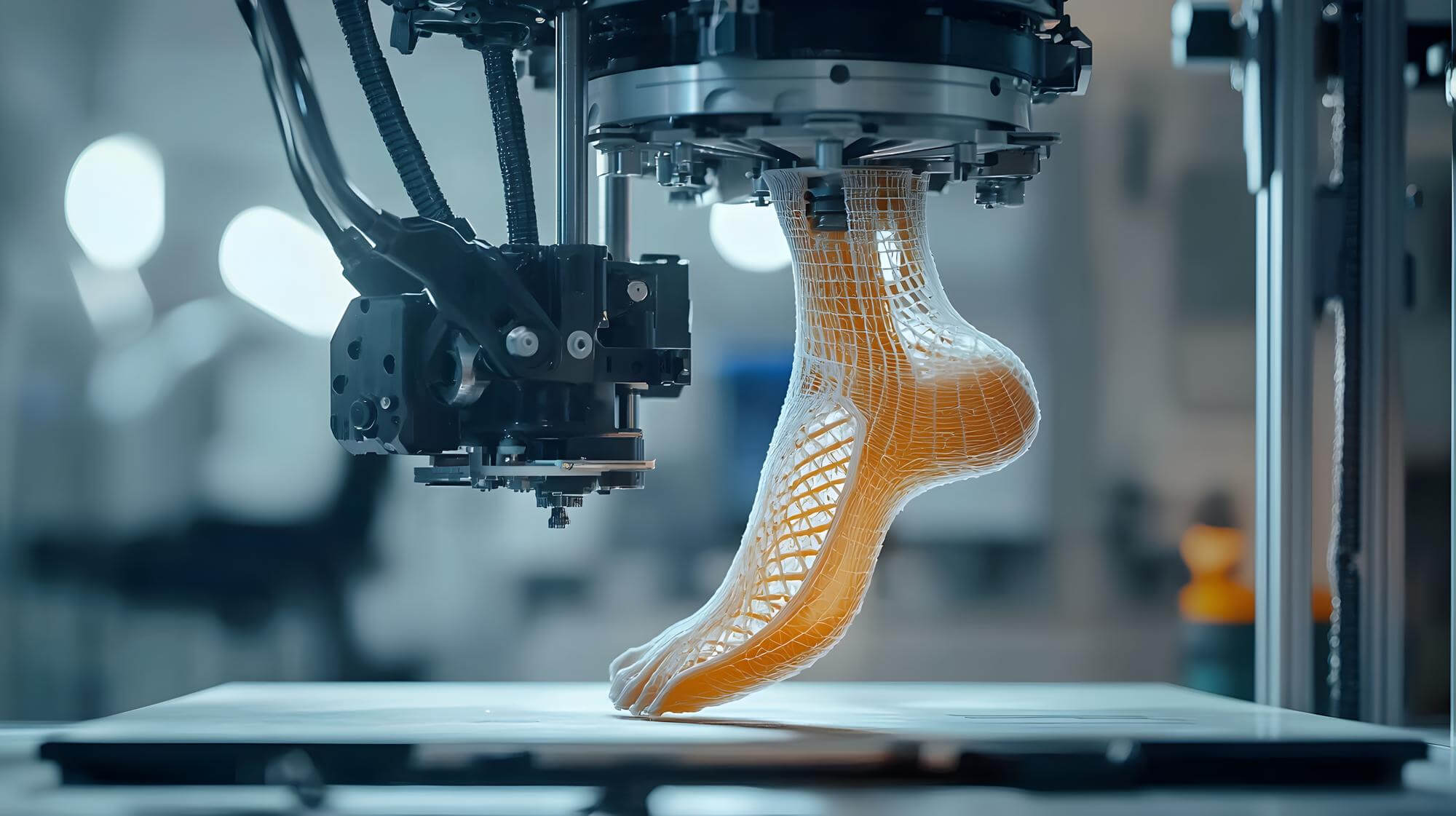
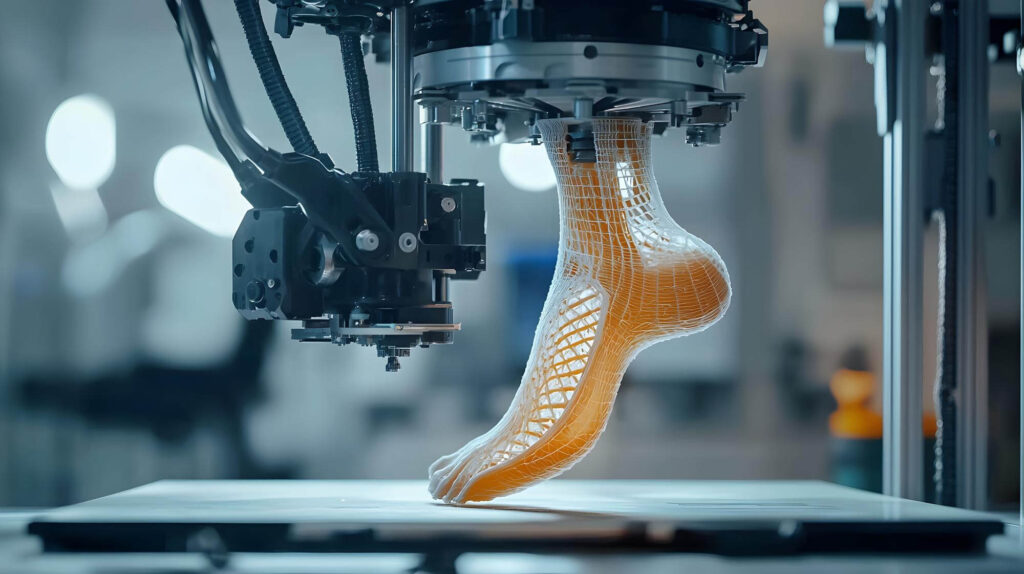
In pediatric prosthetic design, precision and flexibility are essential. Children grow quickly, which means their prosthetic limbs must adapt to this constant change. At Qudra orthotics & prosthetics Lab, we rely on advanced 3D scanning and digital manufacturing technologies to create lightweight, durable, and easily adjustable pediatric prosthetics.These tools allow us to achieve a unique balance:
high performance without limiting movement or play. Every device is crafted to match the child’s current developmental stage, with built-in adaptability to accommodate natural growth of muscles and bones.But precise design is only the beginning—the real transformation happens when the child starts using the prosthetic limb confidently in everyday life. This leads to the next critical phase: rehabilitation.
Motor Rehabilitation: Turning the Device into Real Movement
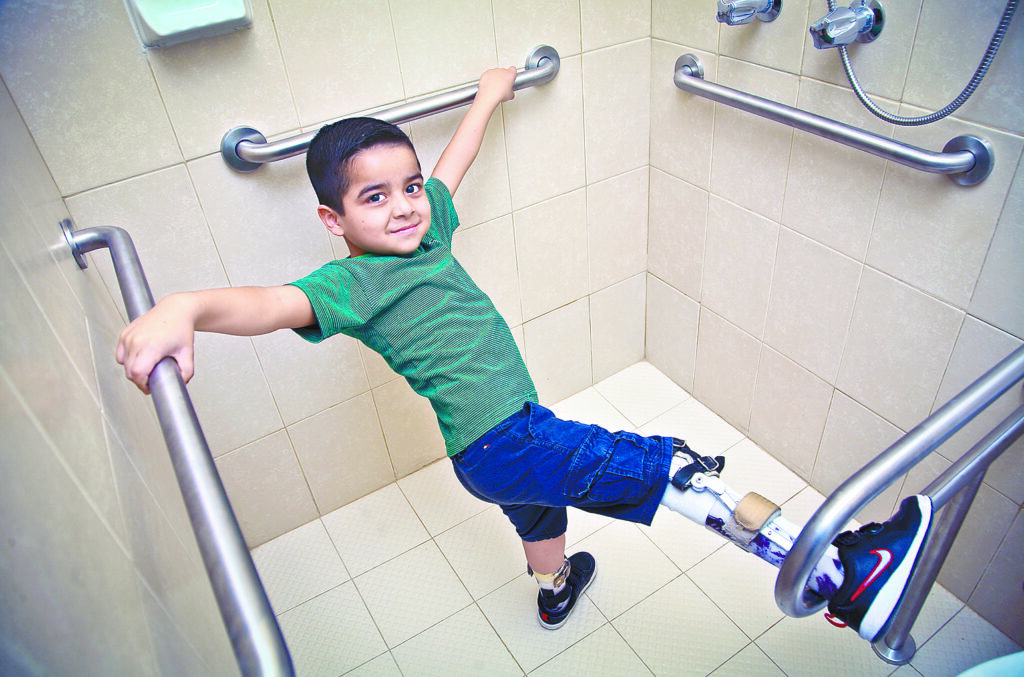
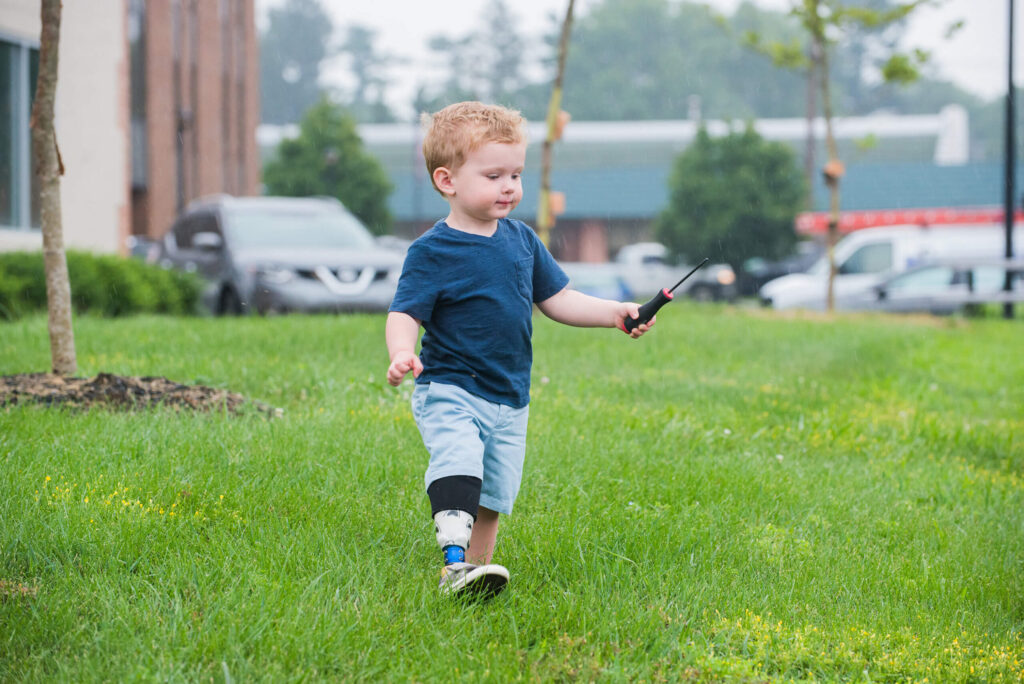
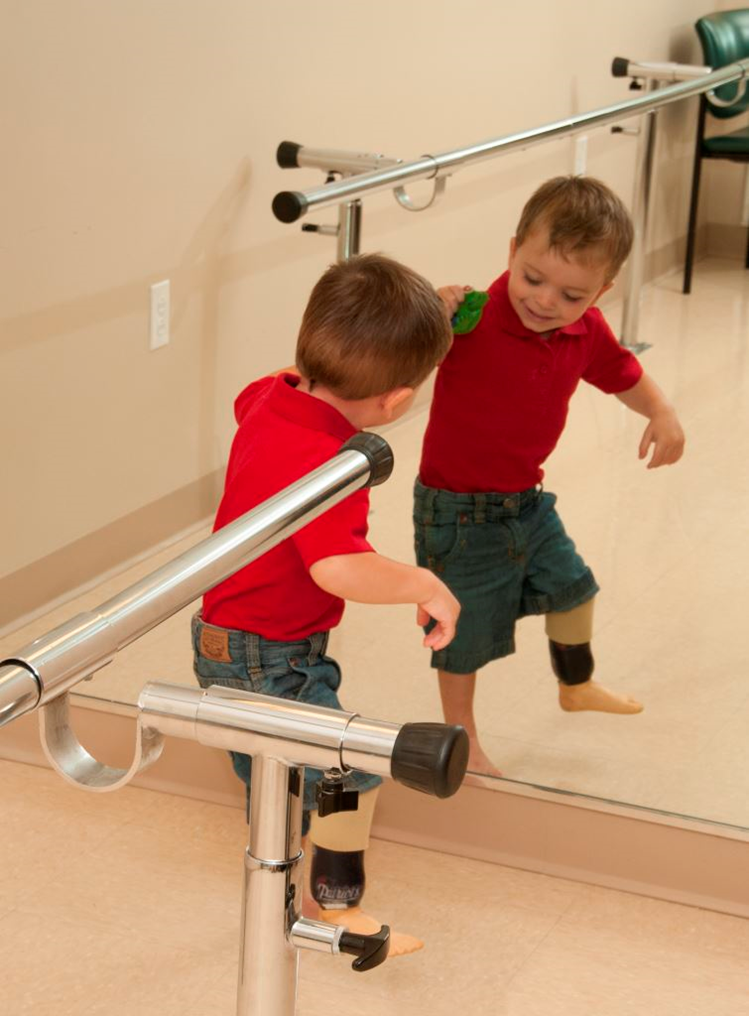
After fitting the prosthetic limb, the rehabilitation phase begins—a stage that often determines the real success of the entire process.This is where a manufactured device becomes a tool for life.Our team of physical therapists and rehabilitation specialists guide children step-by-step, teaching them balance, safe walking, and how to use the prosthetic limb during daily activities.We begin with small, achievable goals—helping the child stand confidently, then walk in a controlled environment, before progressing to everyday challenges like playing, running, or climbing stairs.Each milestone not only develops motor skills but also builds the child’s emotional and psychological confidence.
This emotional growth leads us to another fundamental pillar of the journey: psychological and social support.
Psychological & Social Support: Building Acceptance and Confidence
Real success in rehabilitation is not achieved through medical skill alone—it requires continuous emotional support for the child and their family.Many children initially struggle to accept the prosthetic limb, whether due to fear of being different or uncertainty about their new abilities. At Qudra orthotics & prosthetics Lab, we focus on creating trust, comfort, and familiarity between the child and the device through specialized sessions that combine psychological support with hands-on training.We also guide families on how to support their child at home, encouraging independence and positive adaptation. Through this approach, the prosthetic limb becomes a symbol of ability—not a reminder of limitation. Rehabilitation transforms from a clinical process into a complete human experience.
Continuous Follow-Up: Because Growth Never Stops
As children grow, their prosthetic limbs must grow with them.
This is why rehabilitation at Qudra does not end after fitting or training. Continuous follow-up is a key part of the journey.
Regular visits allow us to:
- Monitor the child’s development
- Adjust measurements
- Modify or upgrade the device using advanced digital tools
This ongoing care ensures optimal comfort, safety, and functionality—allowing the child to continue moving naturally and confidently.
Every successful follow-up is another step toward the ultimate goal: supporting the child in growing physically and emotionally without limitations.
Constant Development to Better Serve Children
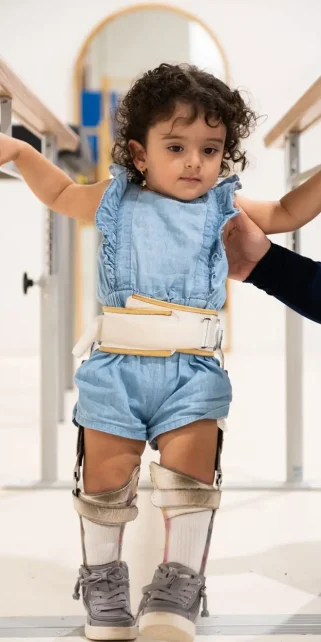
To maintain the highest standards of pediatric care,Qudra orthotics & prosthetics Lab collaborates with leading international companies such as:
- Neja – Germany
- ST&G – USA
From Care… to Empowerment
At the end of this journey, Qudra orthotics & prosthetics Lab mission remains unwavering:
To give every child who has lost a limb a full, unrestricted chance at life—filled with movement, play, confidence, and joy.
For us, rehabilitation is not just treatment—it is a human journey that starts with pain and ends with triumph.
A journey where the child is at the center, the family is the partner, and science is the tool for hope.
Every prosthetic limb we design is a promise—
a promise that childhood should be lived fully,
and that movement is not a privilege…
but a right we restore with expertise and compassion
Give your child the freedom to move, grow, and thrive.
If your child needs specialized prosthetic care, our pediatric rehabilitation team is here to guide you every step of the way.
Contact Qudra Orthotics & Prosthetics Lab today to schedule a comprehensive pediatric evaluation.