Custom Orthoses for Real-World Needs Advanced cosmetic limbs engineered for confidence and beauty. Overview Service We provide comprehensive cosmetic limb solutions—realistic prosthetic …

Close
Expert rehabilitation and training for prosthetic and orthotic success
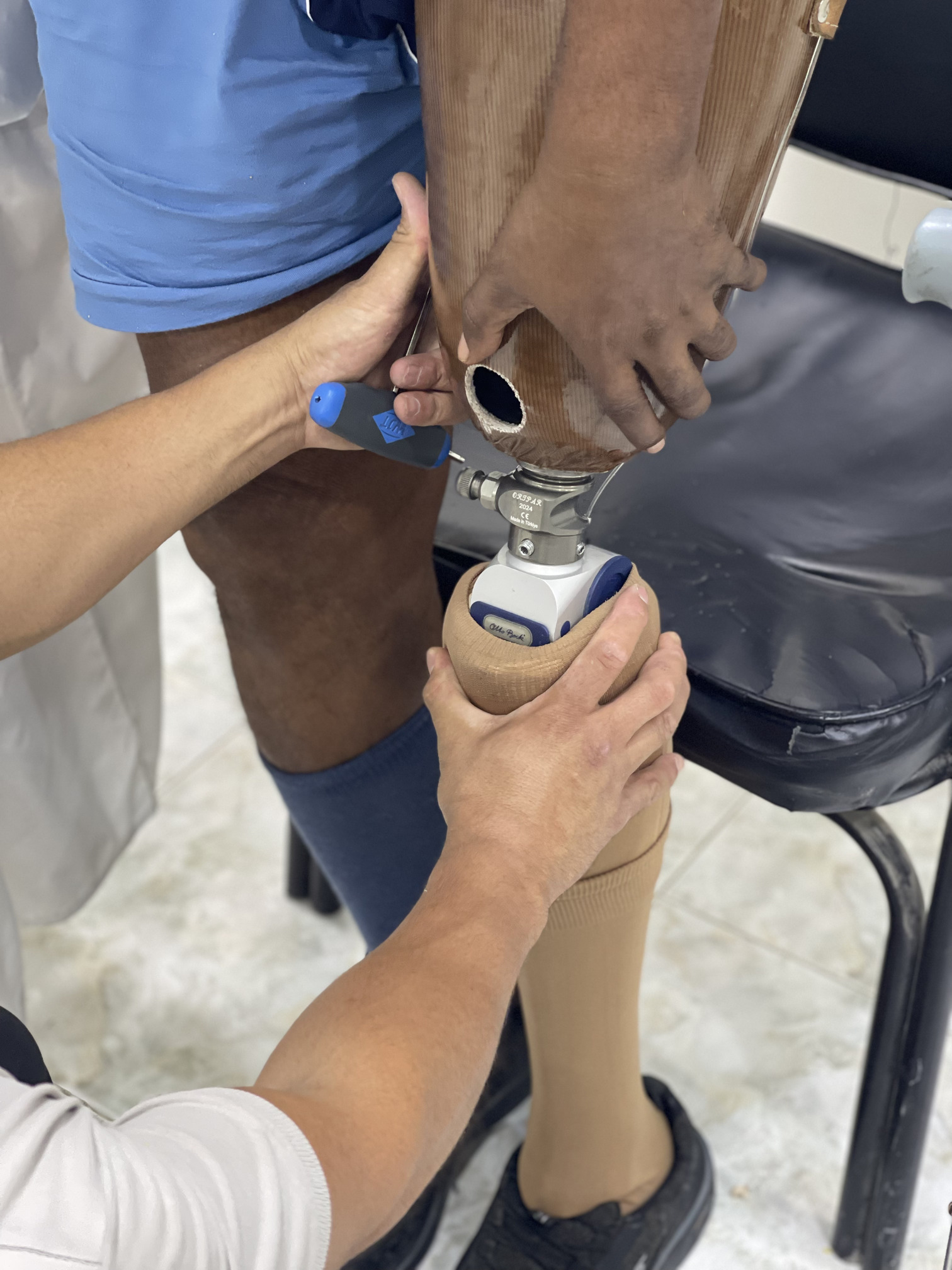
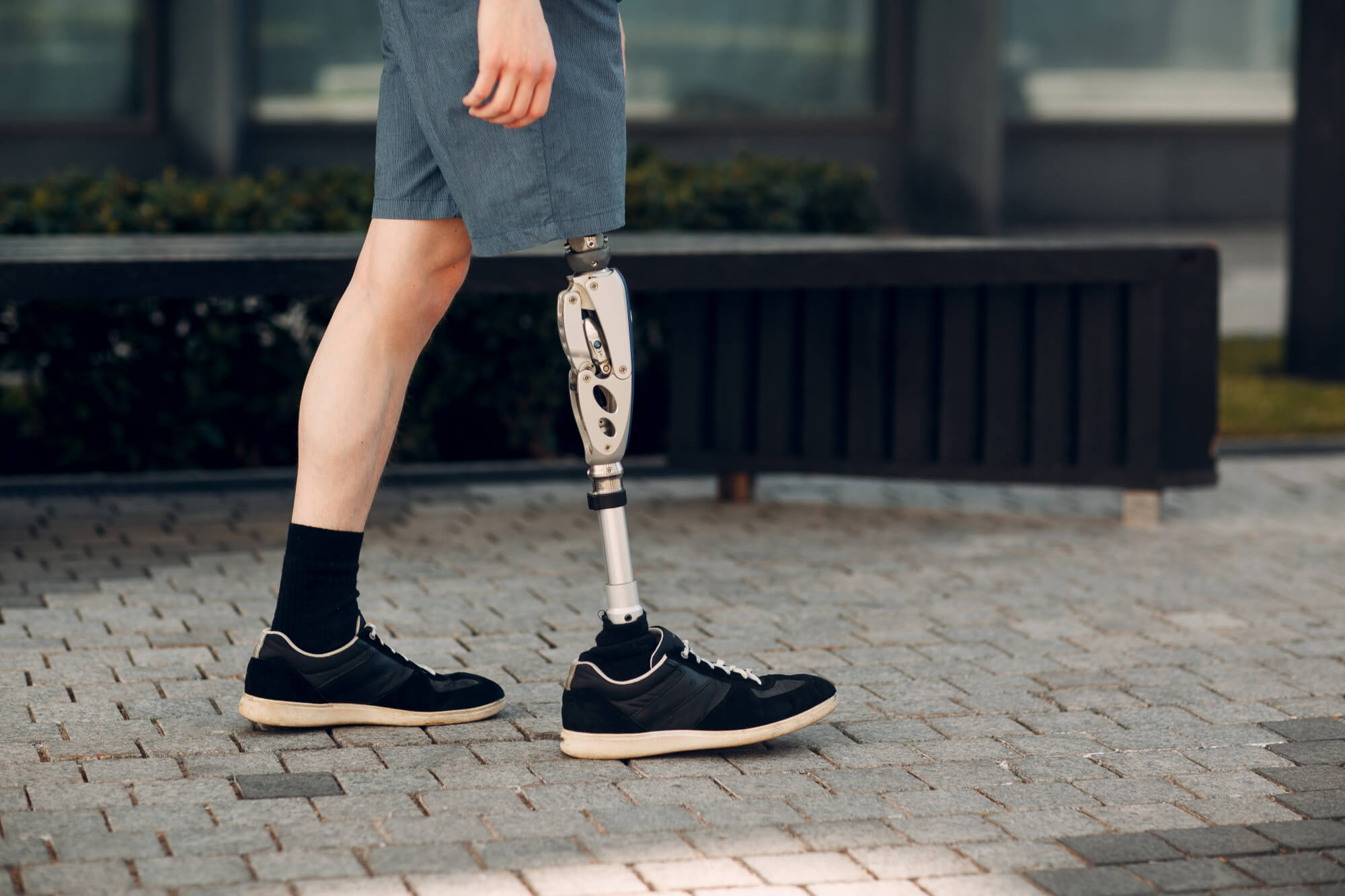
In Qudra we provide comprehensive rehabilitation and training programs—from initial prosthetic fitting to advanced functional training and athletic performance. Using evidence-based protocols, personalized coaching, and progressive training stages, we ensure you master your device and maximize independence. Whether recovering from amputation, managing orthotic adjustment, or returning to sports, we have the right training program for your goals

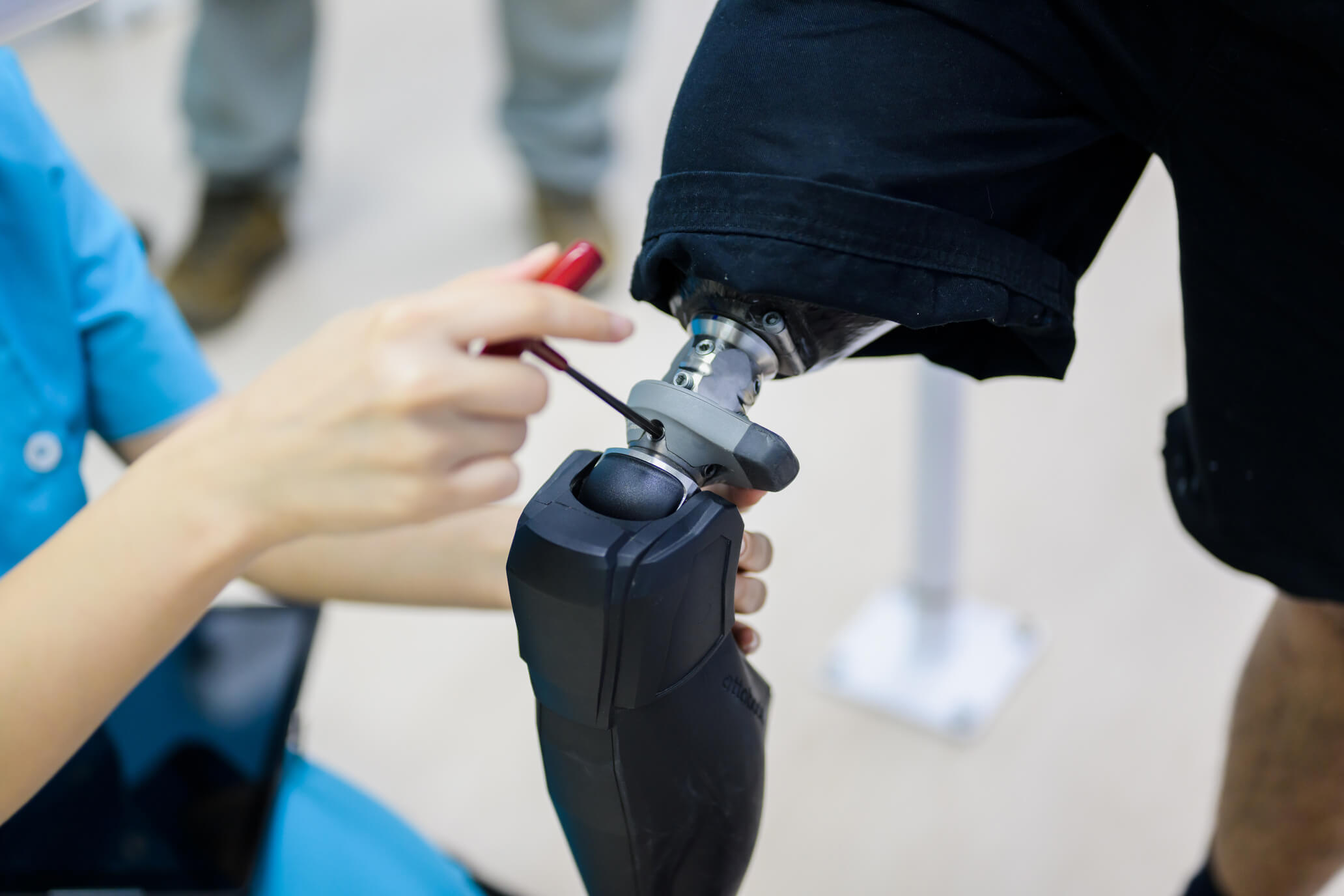
Join hundreds who've reclaimed their active lives. Get a free consultation with Qudra specialists today.
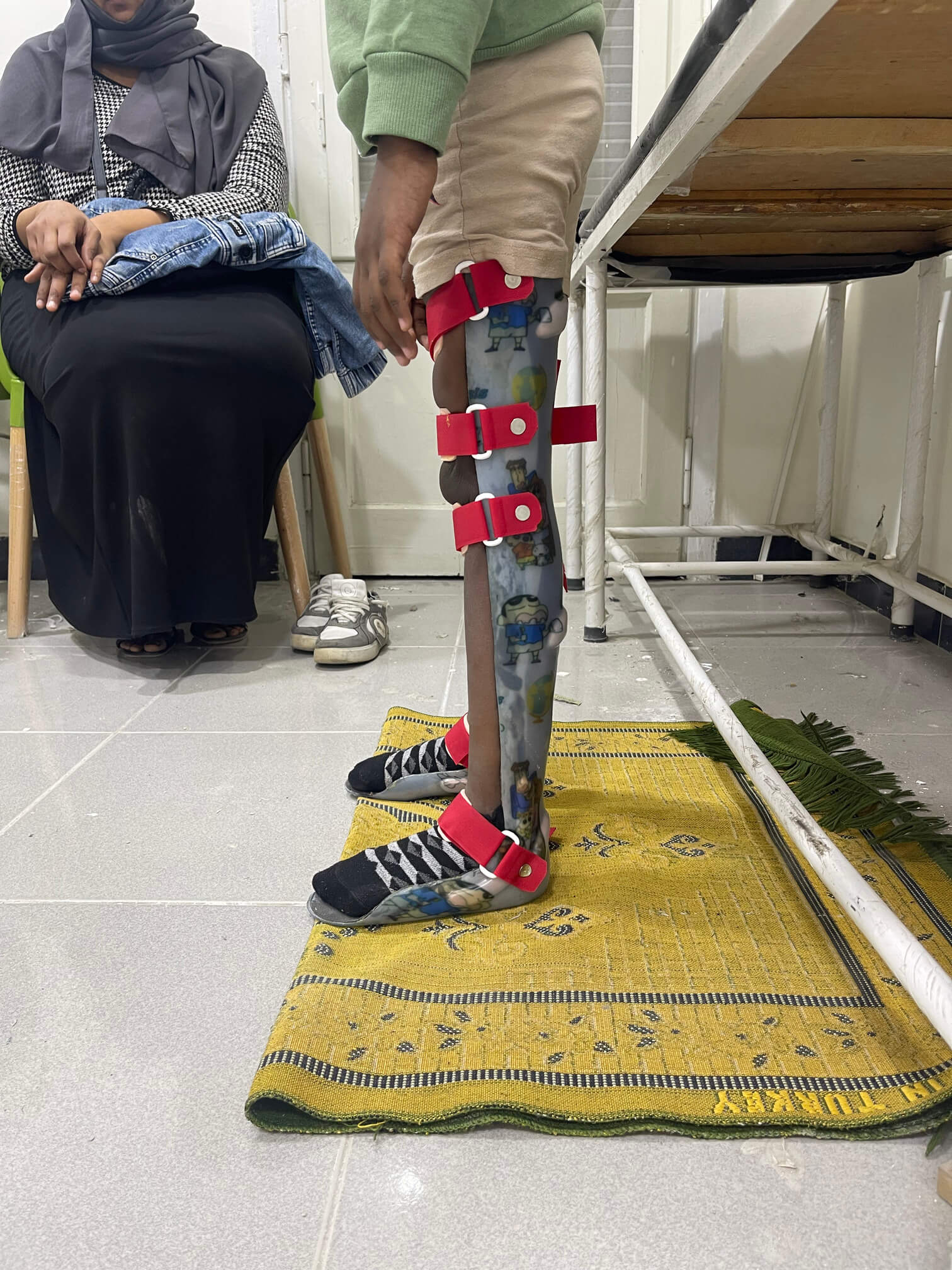
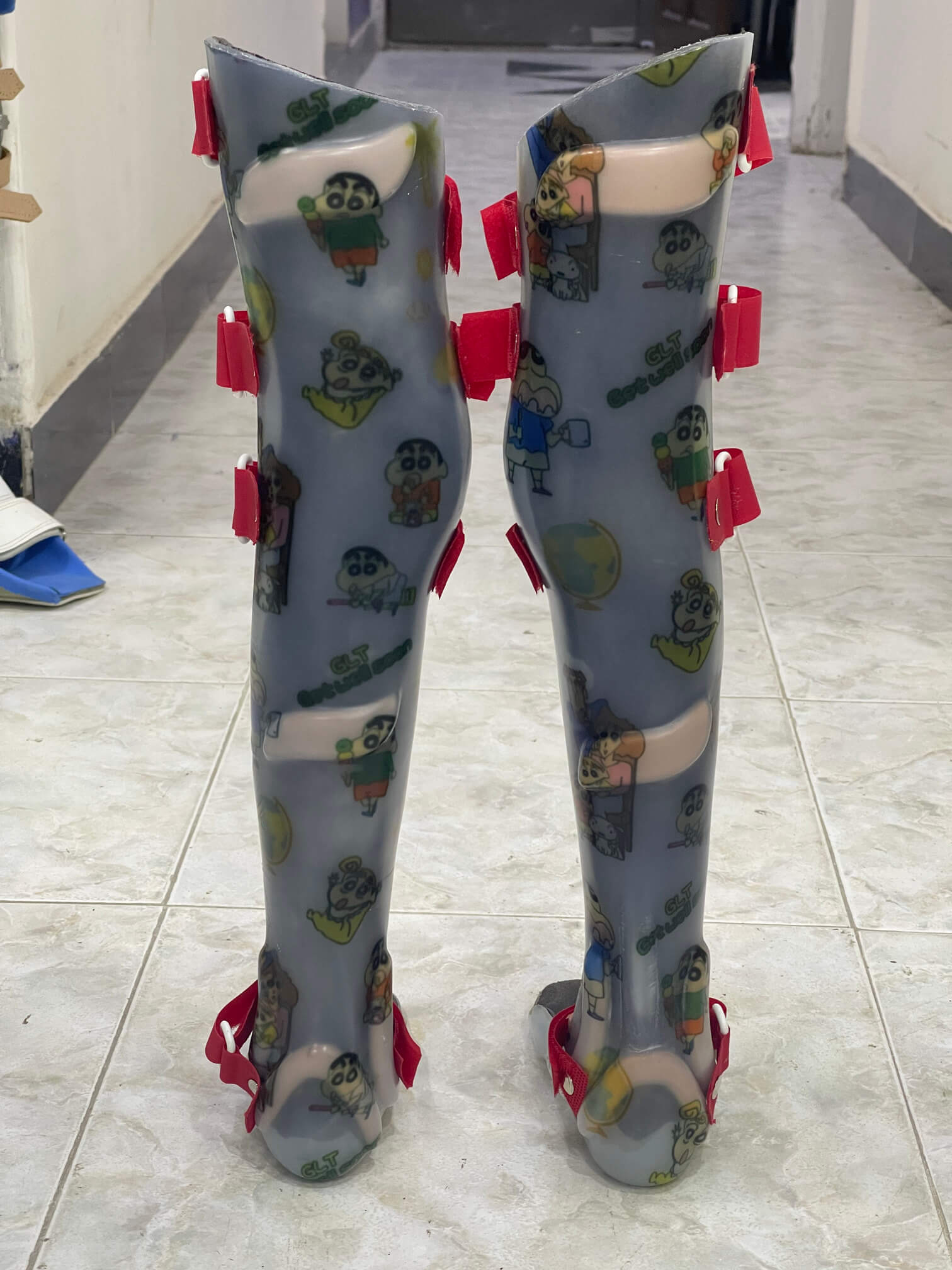
Best For: Children ages 2-18, new prosthetic/orthotic users, confidence building needs, skill development, return to play goals, school integration, peer interaction preparation, developmental support, family-centered care, fun rehabilitation experience
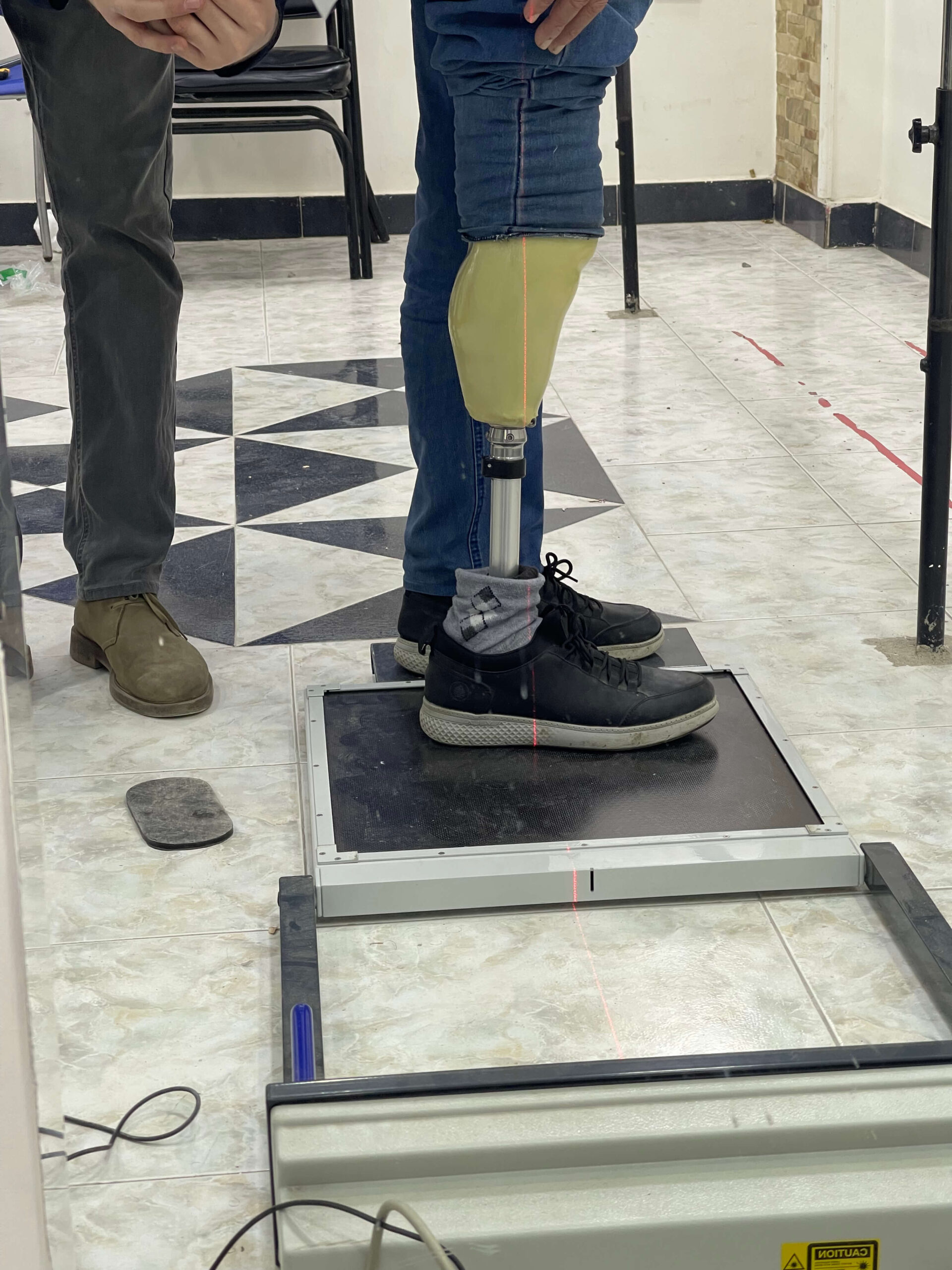
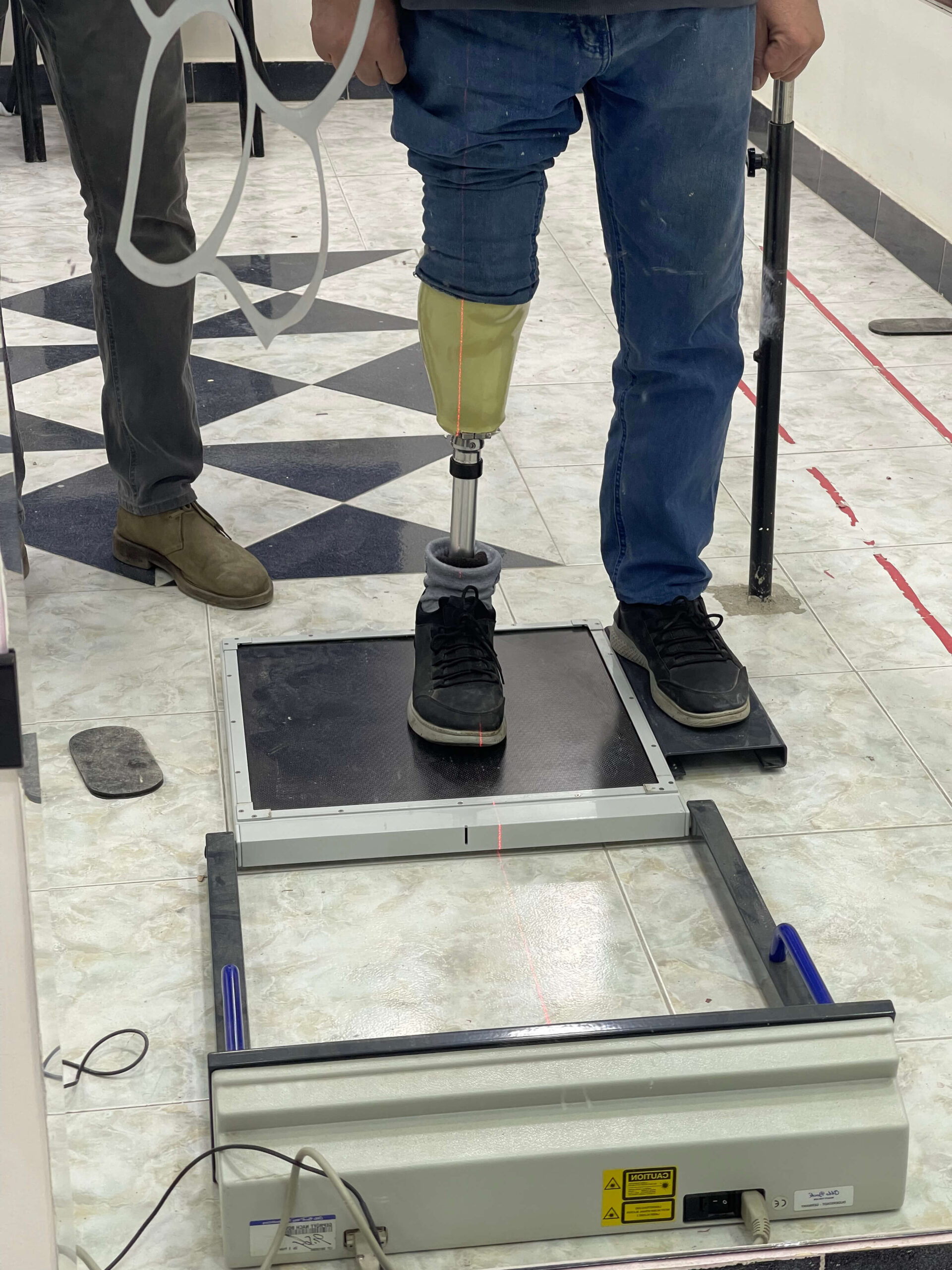
Initial prosthetic fitting and training establishes the foundation for long-term success. Our certified prosthetists and physical therapists guide you through every step—from basic wearing and removal, to standing balance, to initial walking. We start slowly, build confidence, and progress at your pace. Structured training ensures you develop proper movement patterns and maximize prosthetic function from day one.
Best For: New prosthetic users, immediate post-amputation patients, first-time prosthetic fitting, patients returning to walking, confidence-building needs, foundational gait training, proper movement pattern establishment, safety protocol learning, adjustment period support, initial rehabilitation phase
Gait training and analysis uses video motion capture and biomechanical analysis to optimize your walking pattern. Our specialists identify movement inefficiencies, muscle compensation patterns, and asymmetries. We then guide corrections through targeted exercises and repetitive training. Advanced gait analysis ensures your walking pattern is natural, efficient, and sustainable. Perfect for achieving smooth, confident walking.
Best For: Prosthetic users seeking natural gait, unnatural walking pattern correction, gait asymmetry issues, efficiency optimization, biomechanical assessment needs, advanced gait training, confidence in walking form, professional or social comfort, athletic gait preparation, advanced functional walking
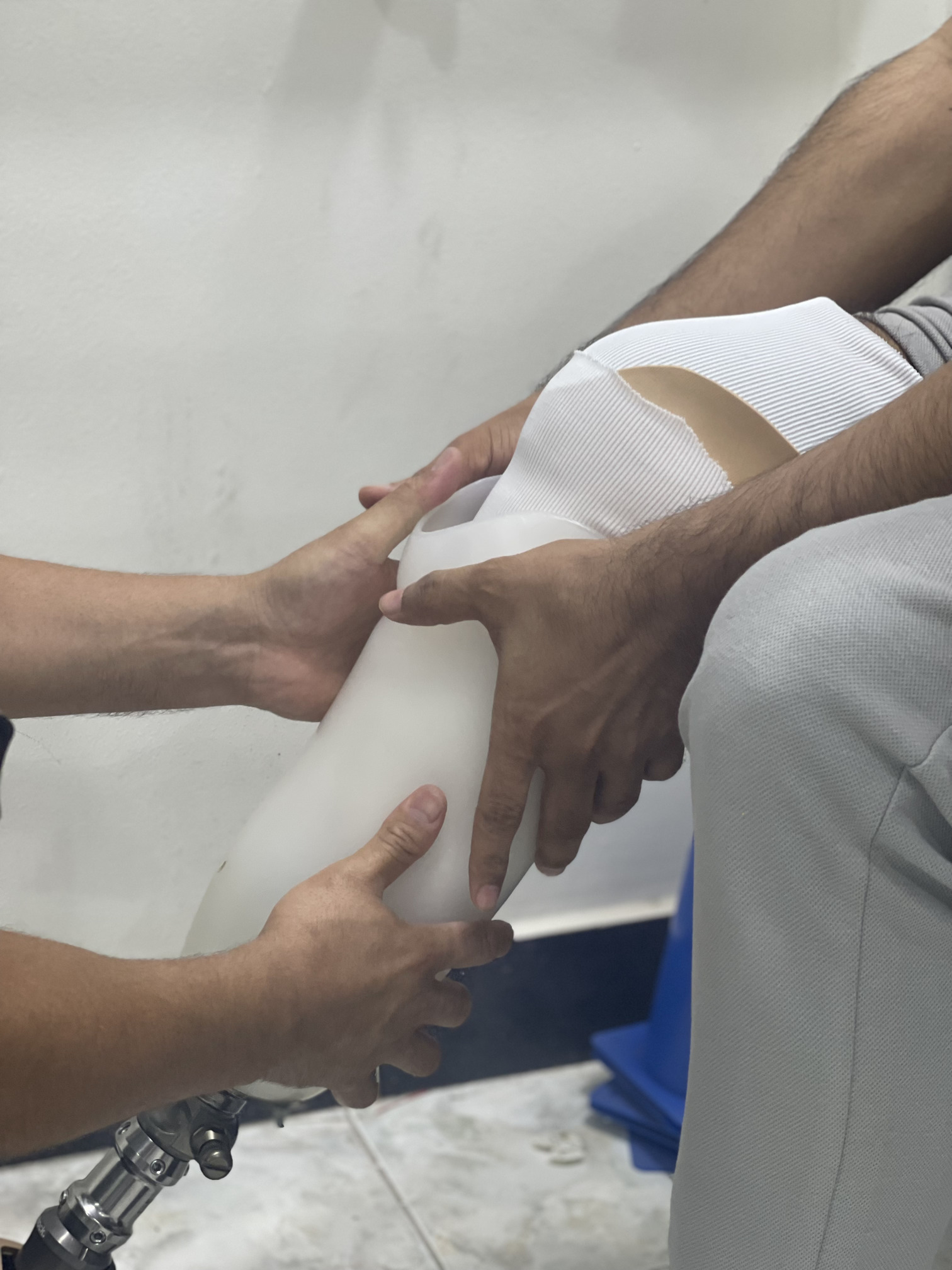
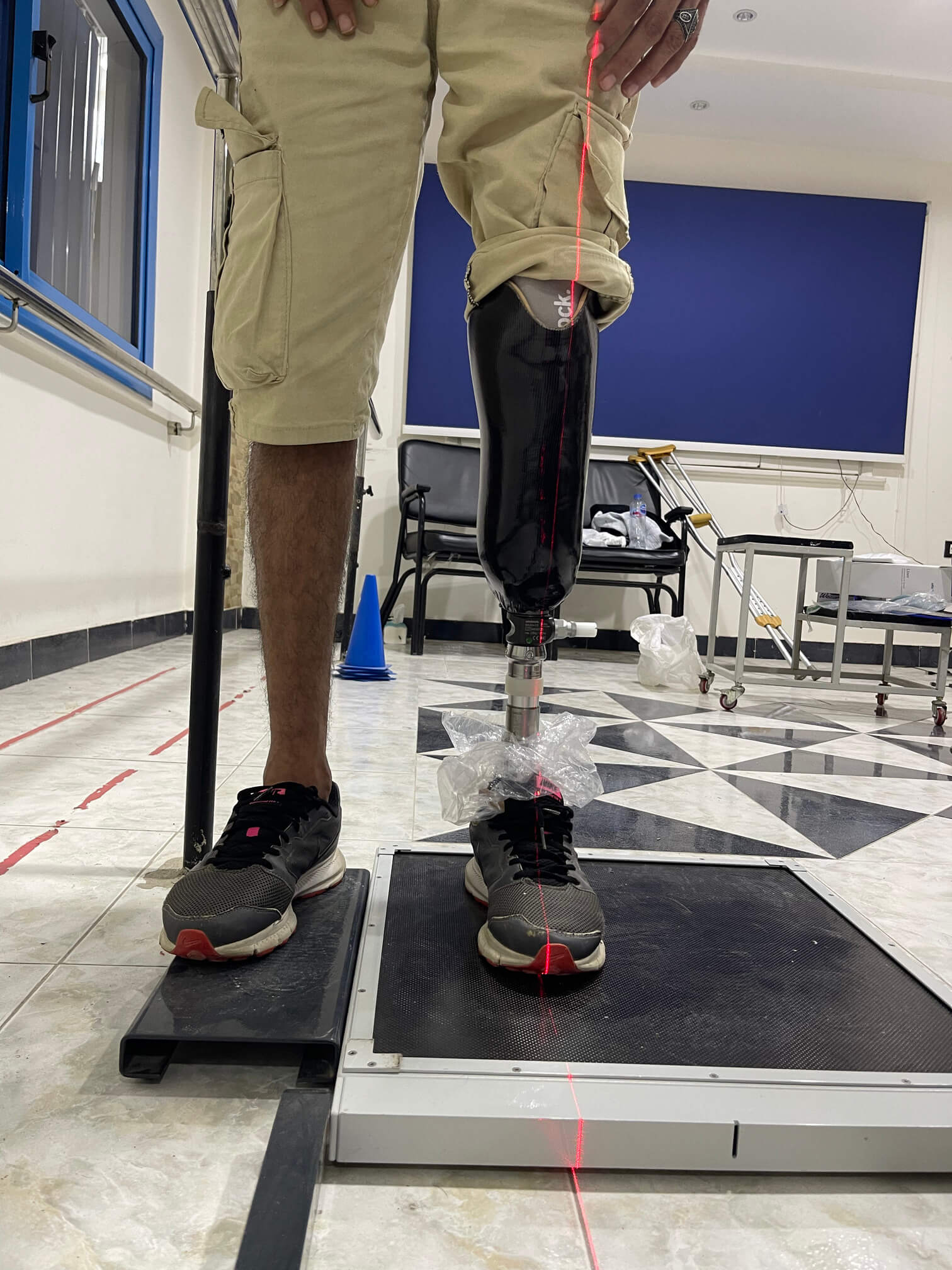
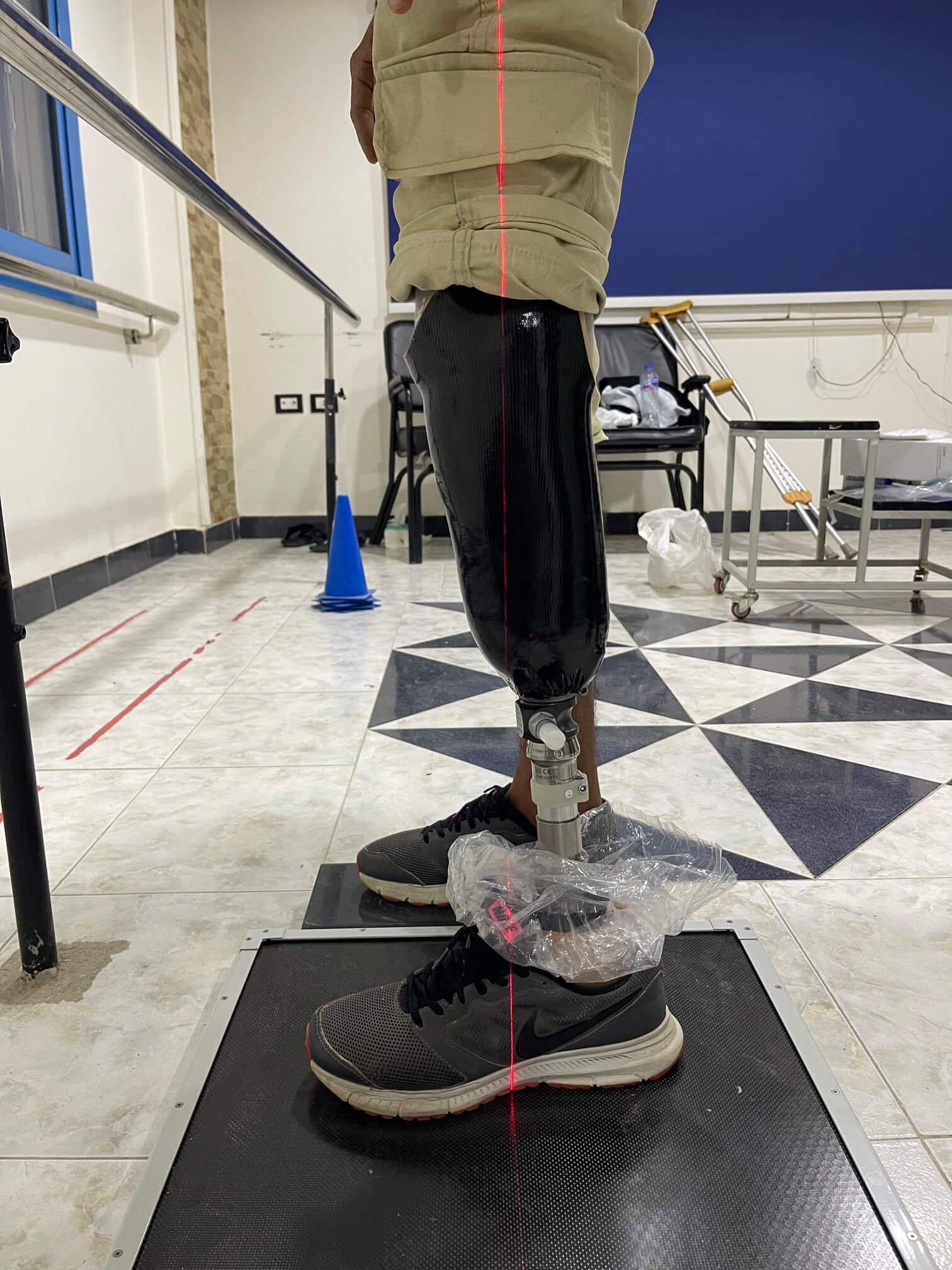
Best For: New prosthetic users, balance confidence needs, fear of falling, prosthetic stability concerns, independent walking development, dynamic balance training, obstacle and terrain navigation, environmental adaptation, advanced balance requirements, confidence restoration needs
Stair and curb training teaches proper techniques for navigating these common challenges. We progressively train ascending and descending stairs, step-by-step techniques, curb negotiation, and obstacle avoidance. Advanced training includes different stair types, varying heights, and challenging real-world environments. This specialized training restores independence in everyday navigation.
Best For: New orthotic users, brace and splint adjustment, proper wearing technique, orthotic device training, functional orthotic use, care and maintenance learning, daily integration support, wearing comfort optimization, therapeutic benefit maximization, orthotic compliance improvement

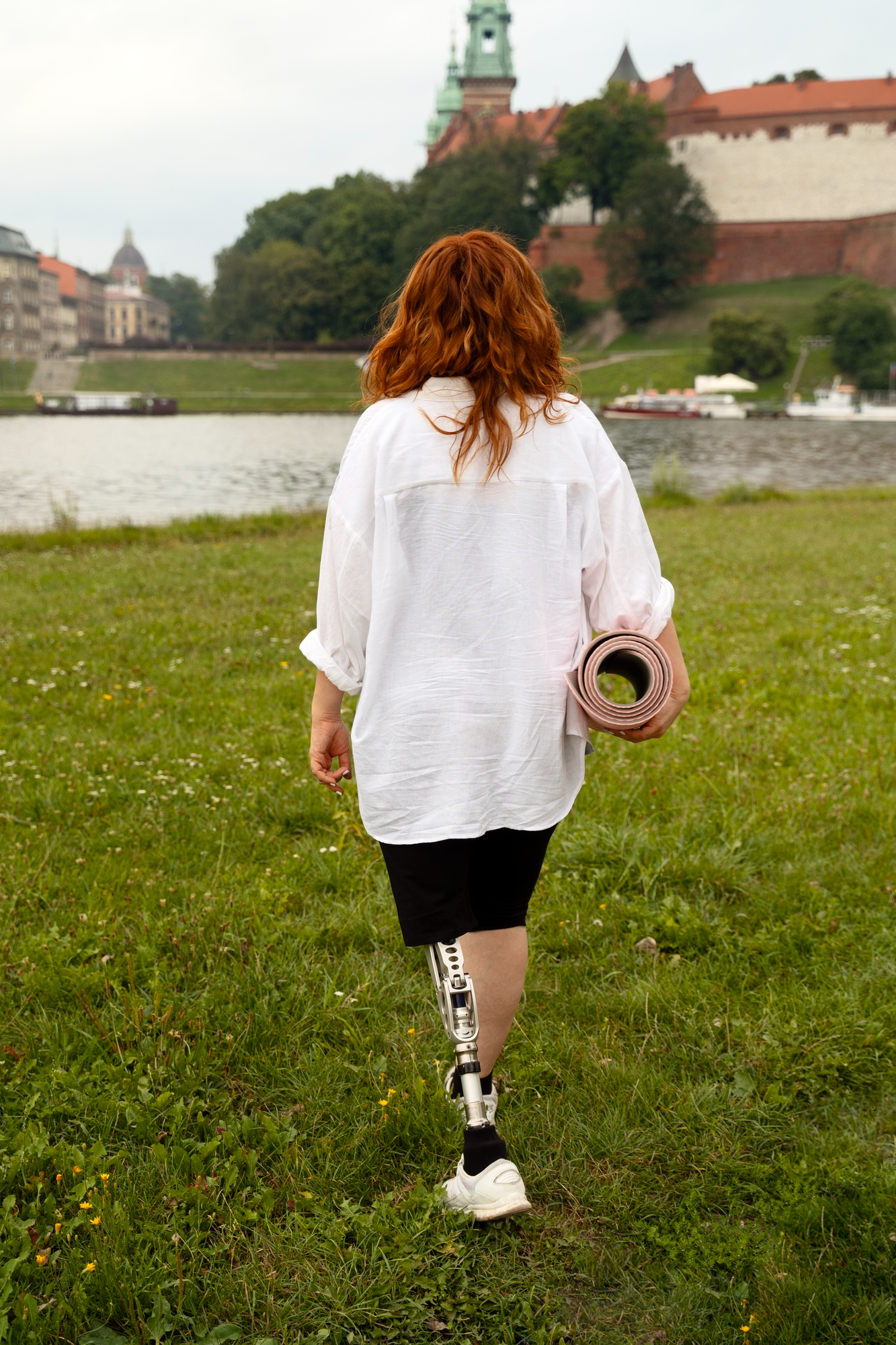
Orthotic adjustment and adaptation training ensures you wear and use your orthotic device correctly for maximum benefit. We teach proper application techniques, adjustment methods, care protocols, and daily management. Training covers device characteristics, functional capabilities, activity modifications, and integration into daily life. Proper training maximizes therapeutic benefit and prevents common wearing mistakes.
Best For: New orthotic users, brace and splint adjustment, proper wearing technique, orthotic device training, functional orthotic use, care and maintenance learning, daily integration support, wearing comfort optimization, therapeutic benefit maximization, orthotic compliance improvement
Best For: Prosthetic users seeking strength, endurance improvement needs, muscle weakness management, functional capacity building, athletic training preparation, advanced functional performance, long-distance tolerance, fatigue reduction, work capacity building, athletic performance goals
Advanced mobility and independence training goes beyond basic walking to prepare you for real-world challenges. We train for uneven terrain, variable lighting, weather conditions, crowds, public transportation, and complex navigation. This training builds genuine independence and confidence for navigating the real world with all its unpredictability. Perfect for returning to active, unrestricted daily life.
Best For: Advanced prosthetic users, real-world independence goals, complex terrain navigation, public space confidence, urban environment adaptation, variable condition preparedness, genuine independence development, advanced functional demands, active lifestyle goals, unrestricted activity preparation
Sports and athletic training prepares you to return to your sport or pursue new athletic activities with confidence. We work with sport-specific prosthetics and develop athletic movement patterns, sport-specific techniques, and performance optimization protocols. Advanced training includes sport-specific drills, competition preparation, and injury prevention strategies. Whether returning to your sport or trying something new, we prepare you for athletic success.
Best For: Athletes returning to sport, prosthetic athletes, new sport exploration, competitive participation goals, athletic performance maximization, sport-specific training needs, injury prevention focus, competition readiness, athletic confidence restoration, advanced athletic performance
Work and professional rehabilitation trains you to meet the specific demands of your job. We assess job requirements, design work-specific training protocols, and prepare you for occupational challenges. Whether desk work, manual labor, standing demands, or specialized activities, we develop training tailored to your profession. Advanced training includes workplace simulations and on-site consultation for complex situations.
Best For: Work return preparation, occupational demand training, manual labor training, standing job demands, specialized work skills, workplace confidence building, professional environment adaptation, functional capacity building for work, job-specific prosthetic optimization, career continuation support
Best For: Children with prosthetics or orthotics, pediatric users, school-age adjustment, peer confidence building, parental support and training, developmental milestone achievement, age-appropriate progression, school environment adaptation, childhood independence development, family support integration
Neuromotor and upper limb training develops intuitive control of myoelectric prosthetics. We train muscle signal interpretation, proportional control, multiple grip patterns, and refined hand manipulation. Advanced training includes dexterity exercises, functional activities, and task-specific training. This specialized training transforms myoelectric prosthetics from tools into natural extensions of your body.
Best For: Myoelectric prosthetic users, upper limb prosthetic training, intuitive control development, hand dexterity needs, functional manipulation training, precision task requirements, advanced control mastery, professional hand function, athletic hand use, maximum functional capacity
Bilateral training addresses the unique challenges of losing or managing two limbs. Our comprehensive approach trains bilateral coordination, balance with dual loss, specialized techniques for bilateral users, and functional independence strategies. We progress systematically from single-limb tasks to bilateral coordination and complex mobility. Advanced training includes specialized equipment and adapted techniques for genuine independence.
Best For: Bilateral amputees, dual prosthetic users, dual orthotic users, complex coordination needs, bilateral independence development, comprehensive rehabilitation, specialized bilateral techniques, adapted living strategies, psychological support needs, genuine bilateral independence
Post-surgical rehabilitation follows your surgeon’s protocol while maximizing your recovery and functional outcomes. We manage pain, prevent complications, guide progressive movement, and accelerate healing. Our approach integrates closely with your surgical team to ensure protocol compliance while optimizing recovery. From early passive motion to advanced functional training, we support your complete surgical recovery.
Best For: Post-operative patients, surgical recovery support, protocol compliance guidance, pain management needs, surgical site protection, phase-based progression, functional return acceleration, surgical outcome optimization, surgeon-coordinated care, recovery monitoring
Best For: Phantom pain sufferers, residual pain management, pain-related functional limitation, comfort optimization needs, psychological pain management, coping strategy development, quality of life improvement, pain-limiting activity restoration, comprehensive pain management, functional comfort achievement
Best For: Mental health and emotional support needs, body image concerns, social anxiety management, identity adjustment, depression or anxiety, confidence restoration, social reintegration support, emotional processing needs, psychological wellbeing, holistic recovery support
Proin ullamcorper pretium orci. Donec nec scelerisque leo. Nam massa dolor imperdiet nec consequata congue idsem. Maecenas malesuada faucibus finibus.
Couldn’t find what you were looking for? write to us at
Rehabilitation training at Qudra helps patients adapt to prosthetic limbs and improve movement, balance, and confidence.
Training helps patients learn how to use their prosthetic limb safely and correctly in daily life.
Yes, every rehabilitation program is customized based on the patient’s prosthetic type, condition, and personal goals.
Yes, training begins after fitting the prosthetic to ensure proper use and adjustment.
Training includes walking techniques, balance exercises, strength training, and daily activity practice using the prosthetic limb.
Yes, training helps patients use the prosthetic correctly, which reduces discomfort and improves overall comfort.
Yes, prosthetic customization and adjustments are done during training to ensure the best fit and performance.
Training sessions are supervised by experienced rehabilitation and prosthetic specialists.
The duration depends on the patient’s progress, prosthetic type, and individual rehabilitation needs.
Qudra combines customized prosthetic solutions with professional rehabilitation training to help patients regain independence and mobility.
Get a free consultation with our specialists. No cost, no commitment — just honest advice.
Every innovation we create is a step toward a better future. At Qudra, we combine our expertise and advanced technology to help you live with more freedom and confidence.
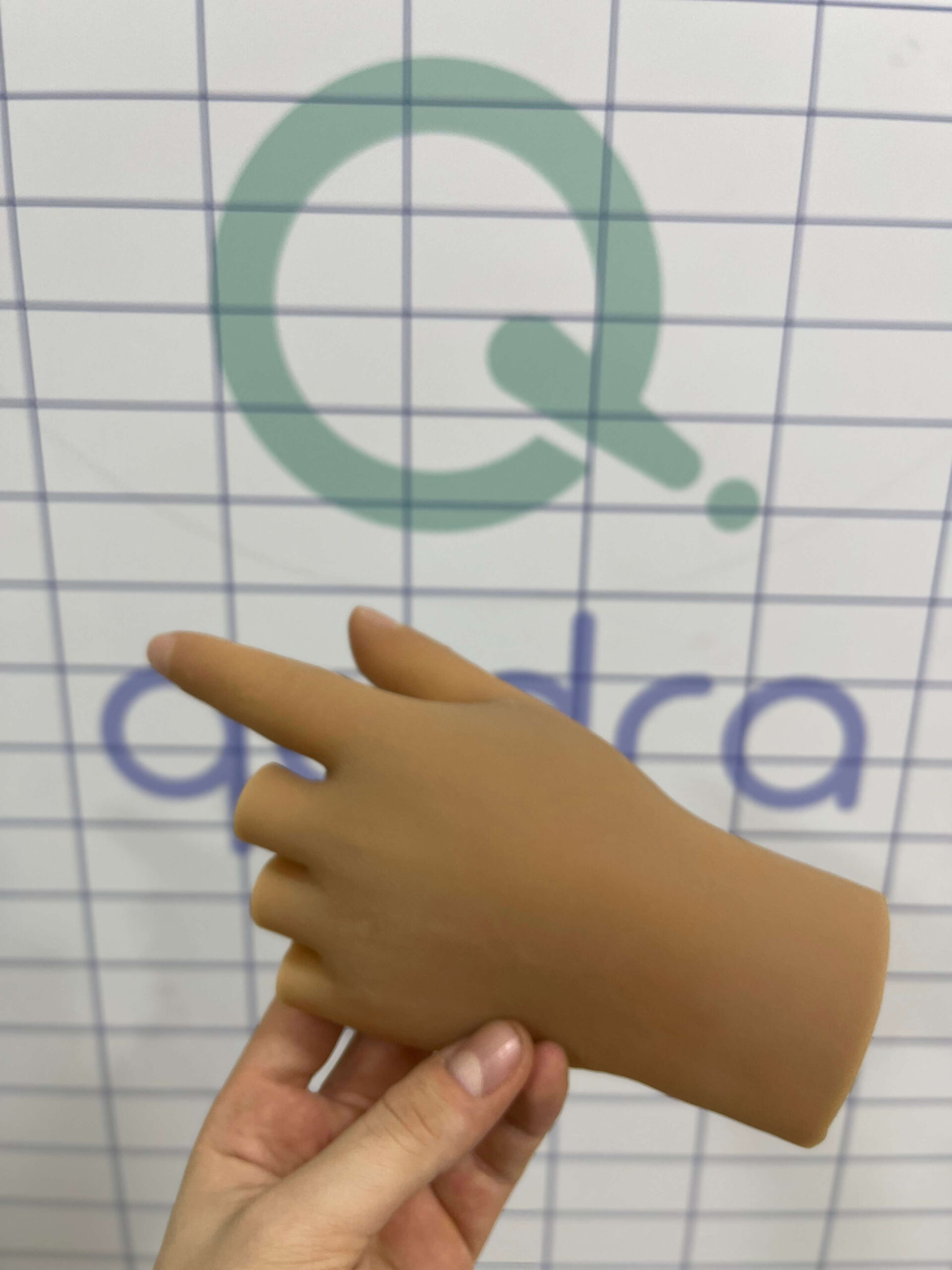
Custom Orthoses for Real-World Needs Advanced cosmetic limbs engineered for confidence and beauty. Overview Service We provide comprehensive cosmetic limb solutions—realistic prosthetic …
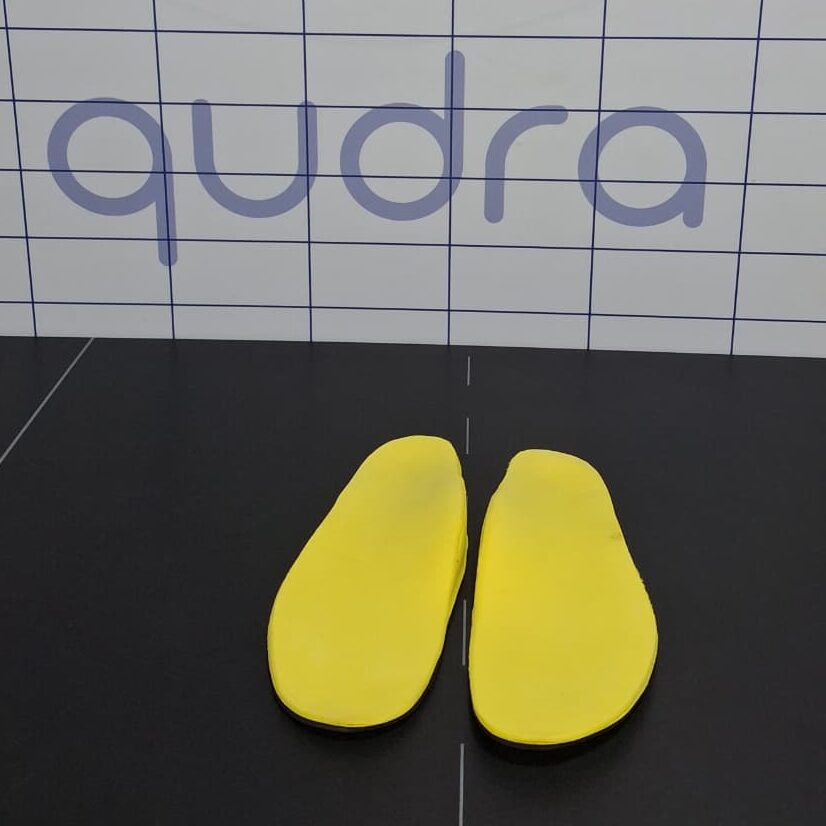
Restore Your Natural Step with Custom Orthopedic Insoles Advanced biomechanics meets personalized comfort. Walk, stand, and move pain-free with medical-grade insoles engineered …
We don't just give you a device—we coach you to use it with confidence. Our team supports you from day one until you're moving freely.
At Qudra, cutting-edge technology and the latest innovations are at the heart of everything we do, constantly guiding our vision and driving us forward.
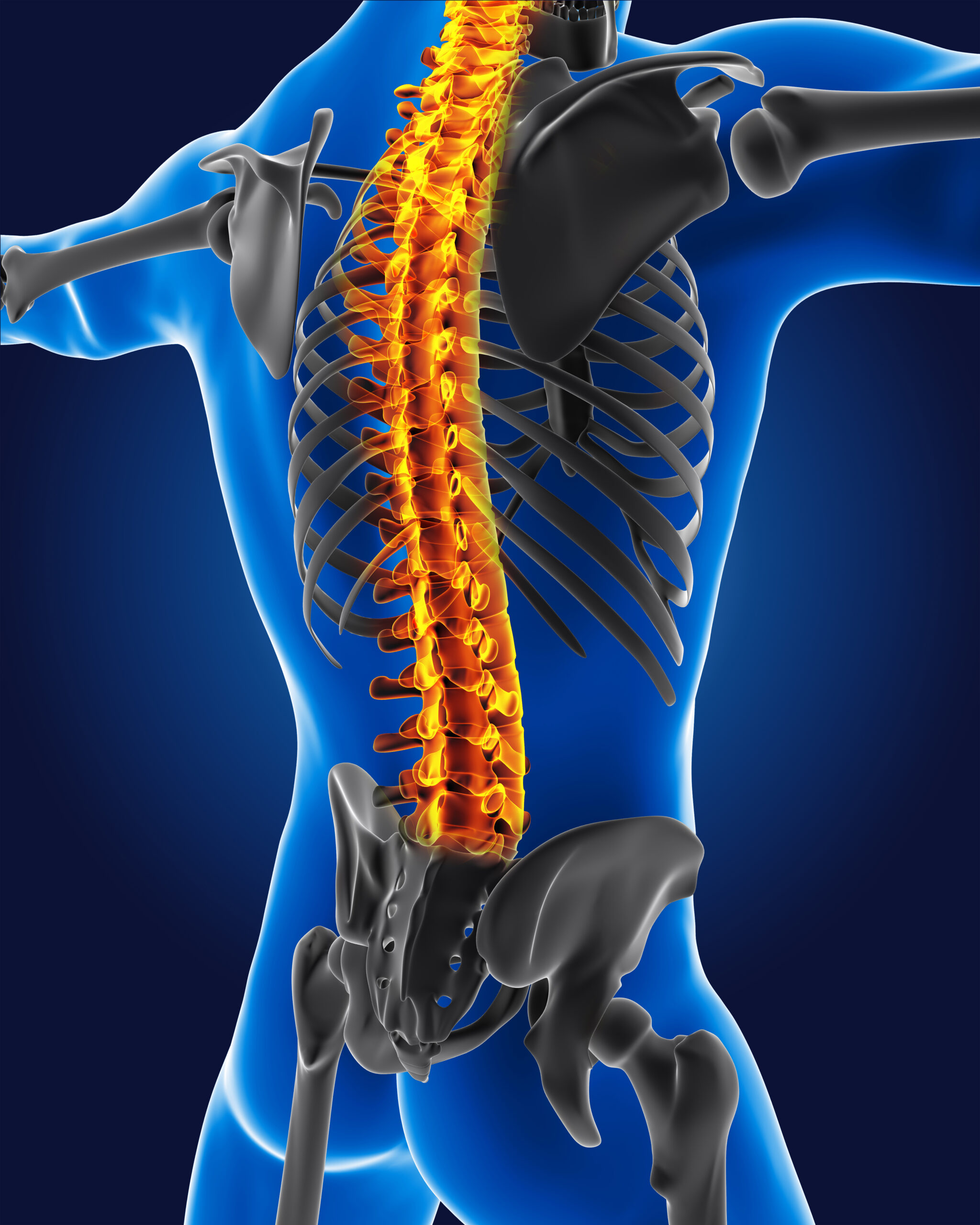
Stop scoliosis from getting worse with our proven bracing system. Comfortable, discreet, and clinically tested to work.
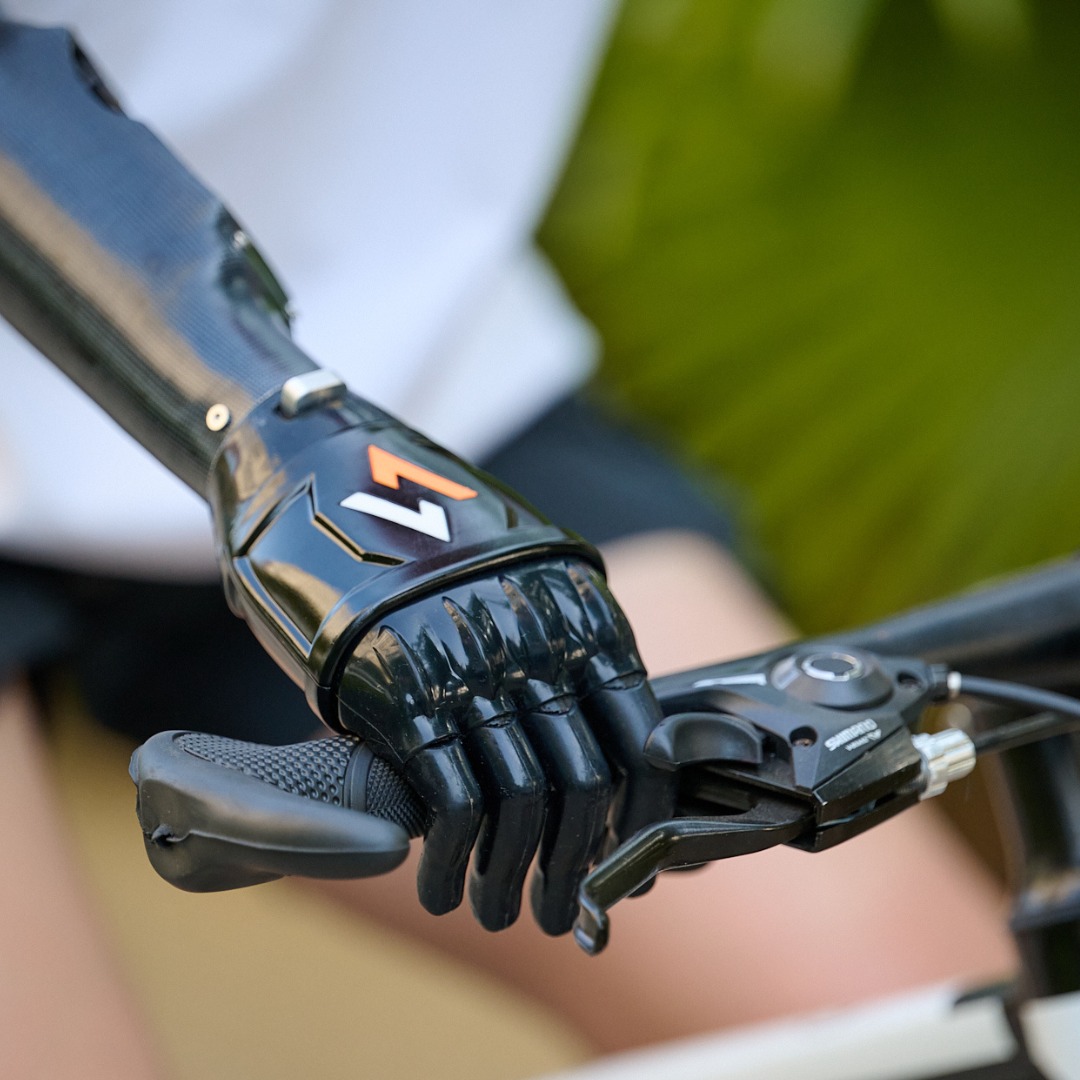
Get back your independence with custom prosthetic legs and arms. Lightweight materials and advanced design so you can move naturally.