Daily Challenges That Require Precise Care and Comprehensive Medical Solution
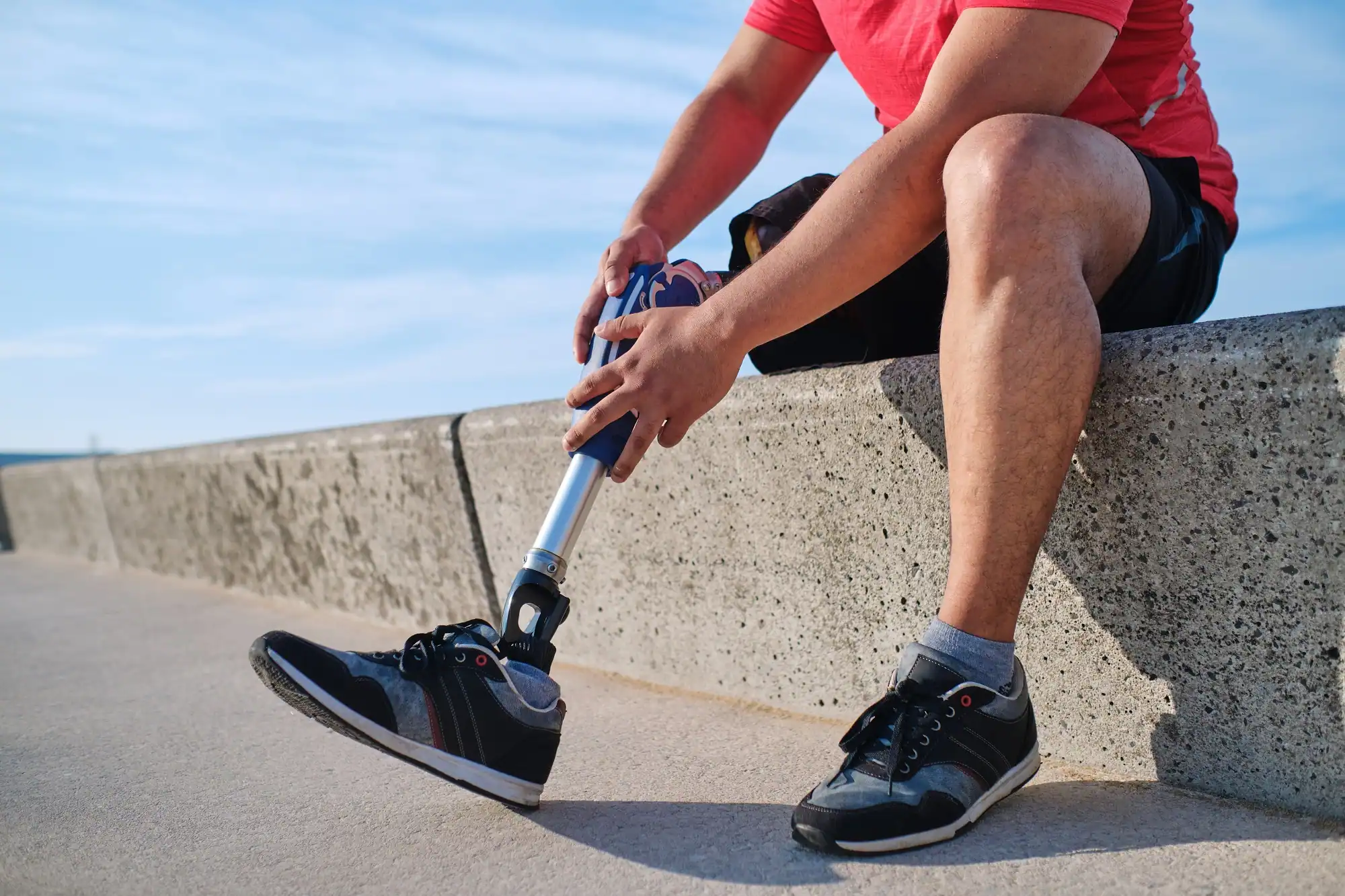
After amputation, many people believe that the recovery journey ends once a prosthetic limb is fitted. However, the period that follows is often the most sensitive and complex. The fit of a prosthetic limb is not merely a mechanical issue—it is a direct interaction between the skin, muscles, and soft tissues on one side, and the socket and all components in contact with the body on the other. This delicate interface exposes the residual limb to a range of challenges that can hinder movement, cause pain, and even prevent the patient from using their prosthesis daily.
Since the skin is the body’s first line of defense, any issue—no matter how small—can quickly become a major barrier to mobility and self-confidence. This is where specialized centers such as Qudra orthotics & prosthetics Lab play a vital role. They go beyond designing and fitting prosthetic limbs; they offer detailed follow-up programs to protect the skin, maintain the health of the residual limb, and ensure long-term comfort.
In this article, we explore the most common skin and soft tissue problems that prosthetic users face, along with their causes, effects, and evidence-based management strategies.
1. Ulcerations Caused by Constant Friction Inside the Socket
The Skin–Socket Relationship: Pressure, Movement, and Delicate Balance
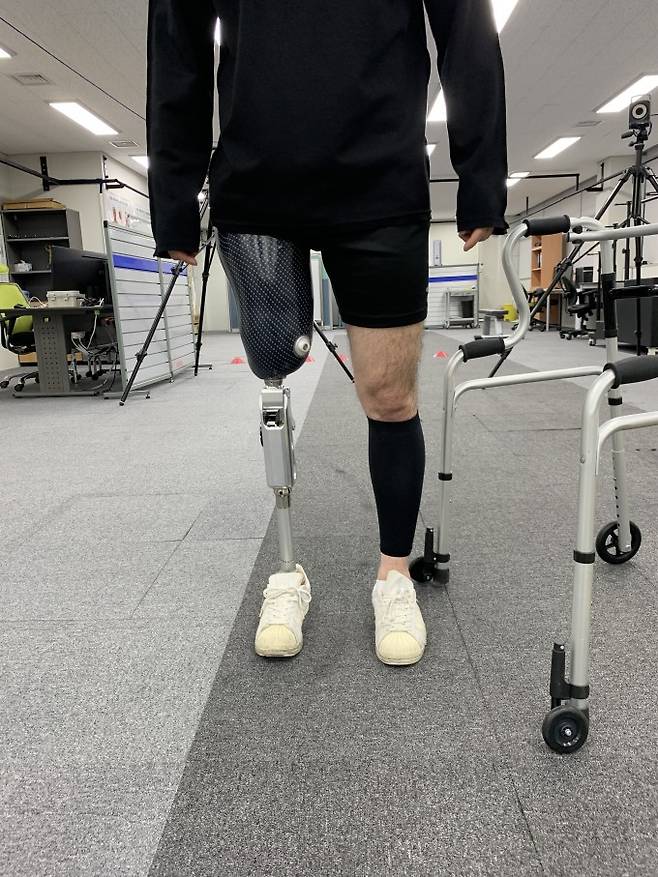
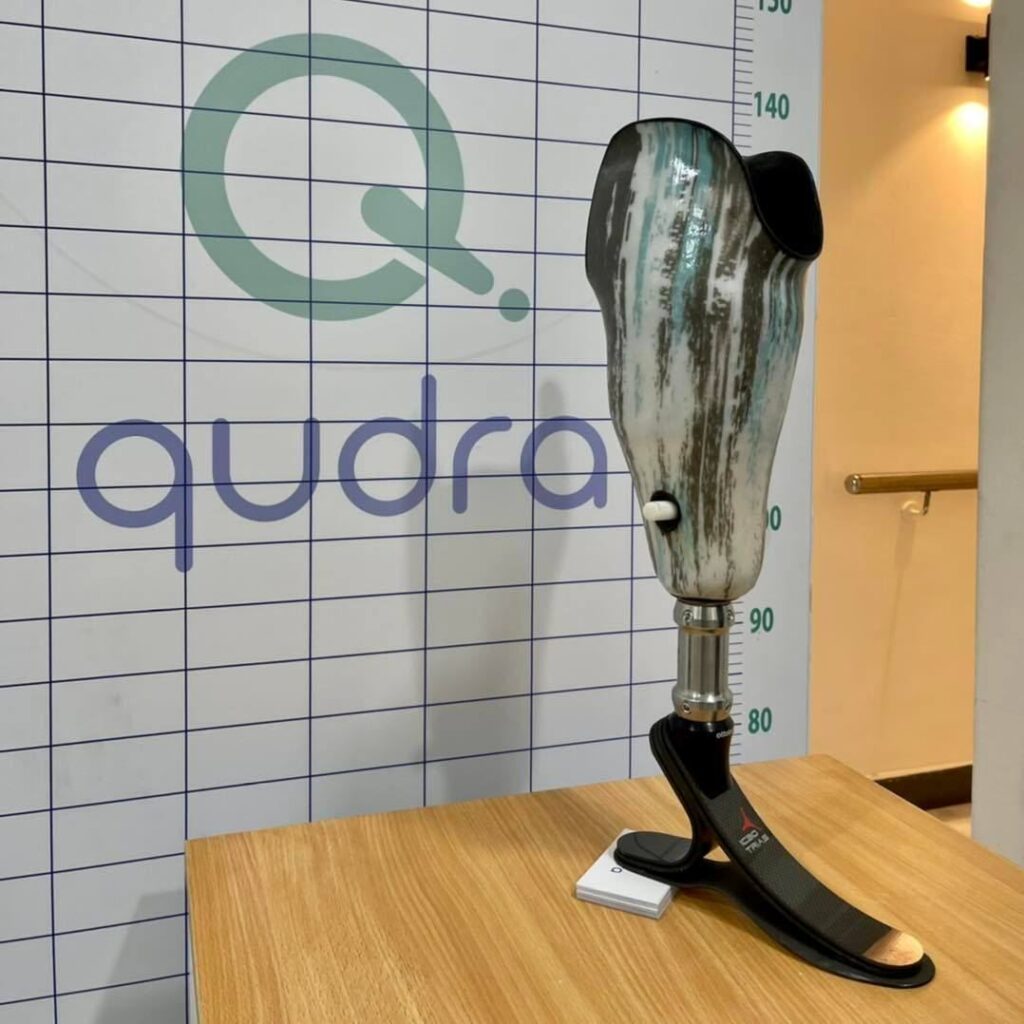
When a patient wears a prosthetic limb, the skin undergoes continuous friction within the socket during walking, movement, or even standing. At first, this may seem normal, but any inaccuracy in socket fit or improper weight distribution leads to irritation and eventually ulceration.
These ulcers are not merely surface issues; they result from a sequence of dermatological reactions:
- Constant pressure on specific points
- Reduced blood flow in compressed areas
- Repetitive movement causing skin irritation
These ulcerations cause pain with every step, leading the patient to unconsciously alter their gait to avoid discomfort. This, in turn, creates a new problem: changes in biomechanical movement, which lead to imbalance and additional pressure on other areas of the skin.
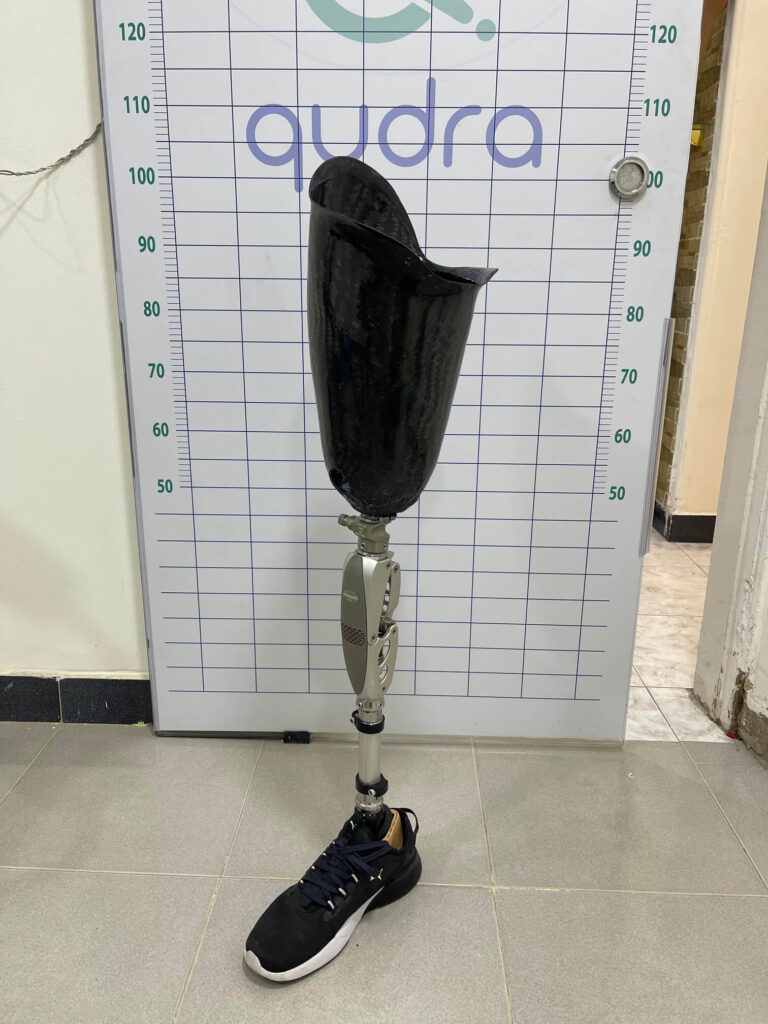
At Qudra orthotics & prosthetics Lab , this issue is addressed by creating highly accurate socket designs based on precise measurements, using soft liners to reduce friction, and training patients on proper prosthesis donning and doffing techniques to prevent pressure-related complications.
2. Skin Sensitivity to Silicone or Other Materials
How the Body Reacts—Between Mild Sensitivity and Severe Inflammation
Some patients have naturally sensitive skin that reacts unexpectedly to the materials used inside prosthetic sockets, such as:
- Silicone
- Gel
- Polymers
- Certain foam types
Sensitivity may begin as mild redness or itching, but with continued pressure and friction, it can progress to severe inflammation or painful rashes, making prosthesis use extremely difficult.
This issue is strongly connected to the previous one. When sensitivity leads to skin irritation, the likelihood of developing ulcers increases because weakened skin cannot tolerate mechanical stress.
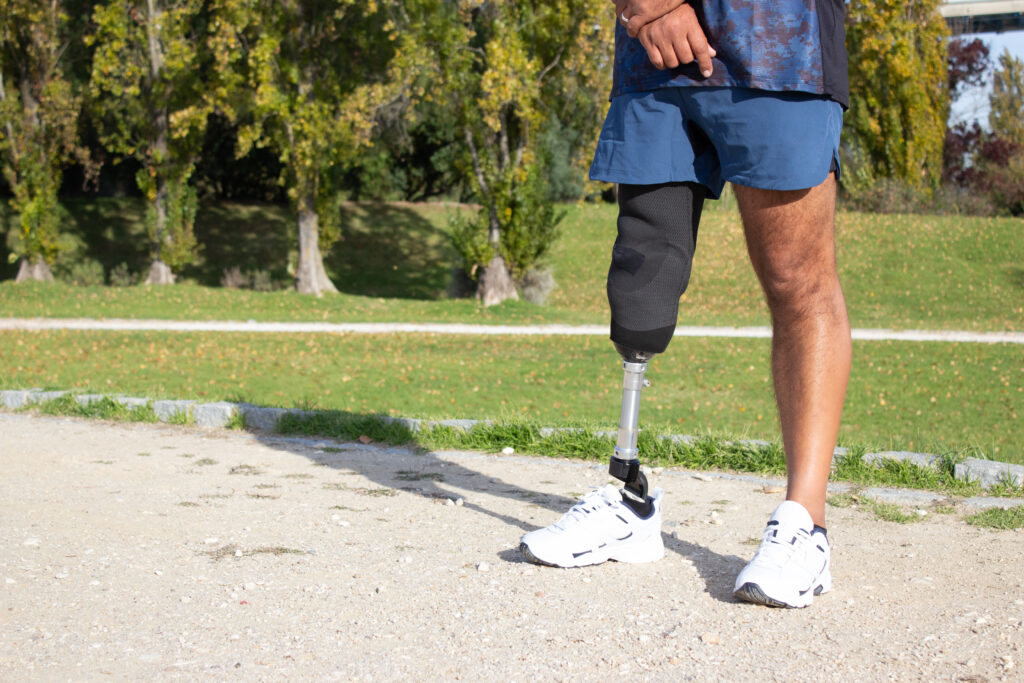
Here, the professional assessment provided by Qudra orthotics & prosthetics Lab is essential. The team carefully selects materials suitable for each patient’s skin type, provides hypoallergenic liners when necessary, and offers medical creams and skin-care routines as part of an integrated care program.
3. Excessive Sweating Inside the Socket
Moisture—the Hidden Enemy of Skin Health and Prosthetic Stability
The socket is a closed environment. During movement, heat increases, causing the skin to sweat. For prosthetic users, excessive sweating becomes a serious complication.
Moisture inside the socket leads to:
- Increased friction due to skin slippage
- Rashes
- Congested pores
- Higher bacterial growth
- Unpleasant odors
- Irritation that may develop into chronic inflammation
Just like sensitivity increases the likelihood of ulcer formation, excessive sweating worsens the situation by making the skin softer and more vulnerable. As ulcerations recur, patients may be forced to stop using their prosthesis for extended periods, slowing rehabilitation and reducing adaptation to the device.
Qudra orthotics & prosthetics Lab addresses hyperhidrosis using innovative solutions such as:
- Highly ventilated liners
- Moisture-absorbing materials
- Advanced socket-cooling technologies
- Patient education on daily hygiene and early detection of skin issues
These approaches make sweat management a key factor in maintaining stability and comfort throughout the day.
4. Changes in Residual Limb Size and Shape Over Time
Biological Changes and Their Direct Impact on Skin Problems and Prosthetic Comfort
After amputation, the residual limb naturally goes through several stages:
- Gradual reduction in swelling
- Loss of muscle mass
- Changes in tissue volume
- Reshaping of skin and musculature
These changes cause the residual limb to shrink over months or even years. Every time the limb size changes, the socket fit is affected. If the socket becomes too loose, the limb moves excessively inside it, leading to:
- Severe friction
- Ulcer formation
- Instability during walking
- Increased pressure on sensitive areas
If the socket becomes too tight, blood flow decreases, causing pain and sometimes preventing prosthesis use altogether.
This problem links directly to all previous issues—because improper fit due to limb-size changes increases sensitivity, ulcer risk, friction, and sweating.
Therefore, Qudra orthotics & prosthetics Lab follows a comprehensive monitoring system involving:
- Regular measurement of the limb
- Socket adjustments as needed
- Adjustable or dynamic socket designs
- Training patients to identify early signs of volume change
Such follow-up ensures that the prosthesis remains comfortable and protective.
5. How These Problems Interconnect and Impact the Patient’s Daily Life
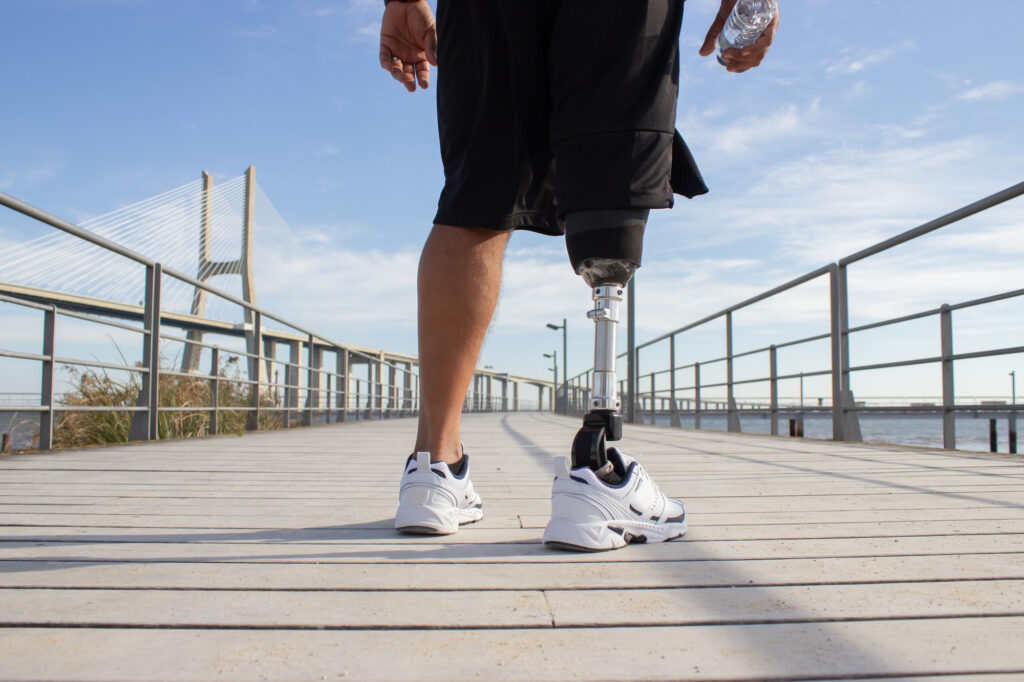
Skin problems do not occur in isolation—they form an interconnected chain:
- Sensitivity weakens the skin → ulcers increase
- Sweating makes the skin fragile → friction worsens
- Volume changes cause poor socket fit → more ulcerations
- Ulcers make prosthesis use difficult → rehabilitation slows
As these problems accumulate, patients may experience frustration, chronic pain, or even fear of using their prosthesis. This makes professional care essential—not optional—to ensure continuous progress toward independence.
Qudra orthotics & prosthetics Lab approaches these issues as a unified system, not isolated symptoms, through:
- Advanced socket engineering
- Dermatological monitoring
- Specialized rehabilitation programs
- Patient education on daily care
- Scheduled adjustments and maintenance
This comprehensive model breaks the negative cycle and replaces it with a healthy trajectory that improves comfort and overall prosthetic experience.
Conclusion: Skin Health Is Not a Detail—It Is the Foundation of a Successful Prosthetic Experience
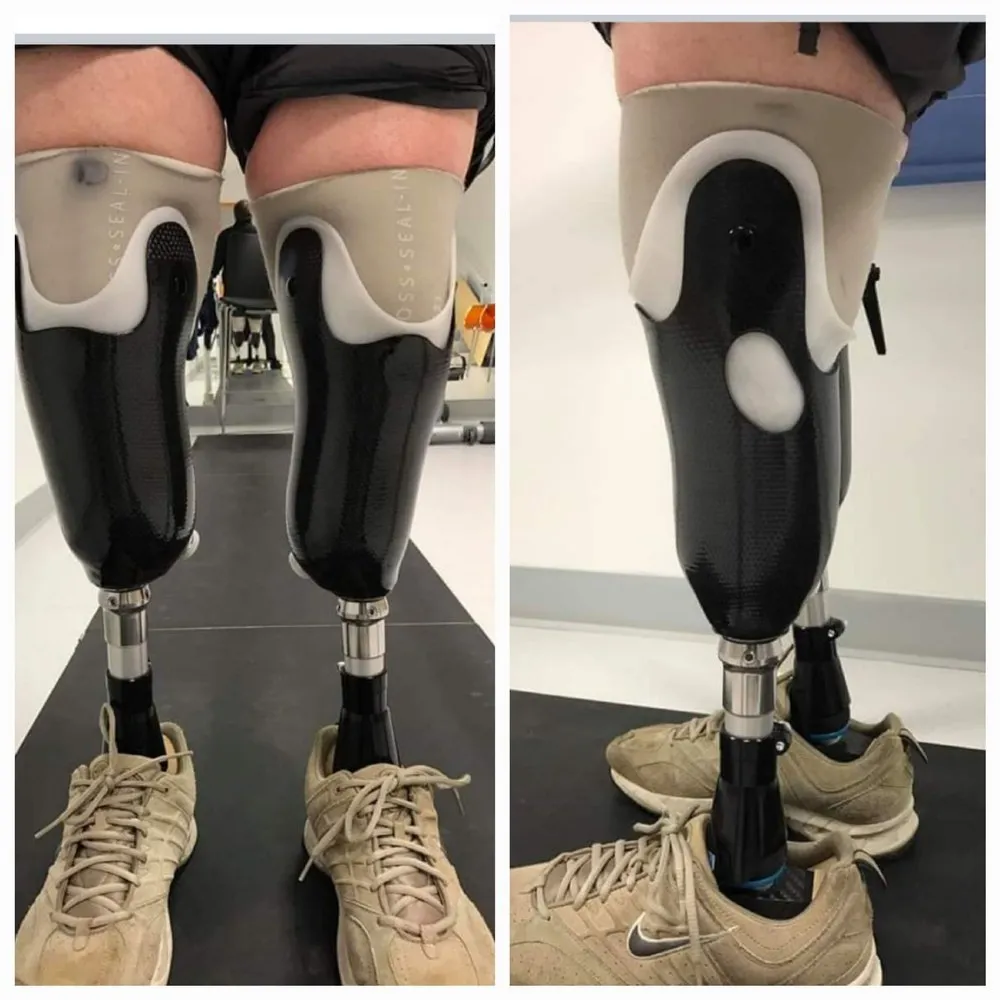
Skin and soft tissue health is the primary factor determining the patient’s comfort, confidence, and ability to use their prosthetic limb reliably. Even a minor skin issue can become a major obstacle that limits movement, delays rehabilitation, and affects emotional well-being.
Thanks to the specialized and integrated support provided by leading rehabilitation facilities such as Qudra orthotics & prosthetics Lab , it is now possible to manage these challenges effectively, minimize their impact, and create a safe environment that empowers the patient to use their prosthesis comfortably and consistently.
Understanding skin-related complications and addressing them professionally is essential to achieving stable mobility, greater comfort, and improved independence for individuals with limb loss—this is the mission that Qudra orthotics & prosthetics Lab strives to achieve for every patient seeking to rebuild their life with confidence.
Comfort starts with care—and care begins with the right medical support.
If you’re experiencing skin discomfort, irritation, or difficulty using your prosthetic limb, specialized assessment and follow-up can make all the difference.
Contact Qudra Orthotics & Prosthetics Lab today to schedule a comprehensive skin and prosthetic evaluation designed for long-term comfort and mobility.